
Introduction
Released on 16 November 1999, Korn’s fourth studio album, Issues, marked a pivotal moment in the nu-metal genre. This album not only solidified Korn’s standing in the music world but also showcased their evolution from previous works. It was a bold statement, blending raw emotion with complex musicality, and it resonated with fans globally.
This article delves into the making of Issues, its recording process, commercial performance, and the lasting impact it has had on the music industry. We’ll explore each track’s significance, the album’s reception, and how it fits into Korn’s broader discography. Join us as we unravel the layers of one of nu-metal’s most influential albums.
| Attribute | Details |
|---|---|
| Release date | 16 November 1999 |
| Album title | Issues |
| Genre | Nu metal, Alternative metal |
| Total runtime | 53:16 |
| Number of tracks | 16 |
| Record label | Immortal, Epic |
| Recording studio | A&M Studios, West Hollywood, California; Southern Tracks, Atlanta, Georgia |
| Producer(s) | Brendan O’Brien |
In the words of Jonathan Davis, Korn’s lead vocalist:
"This album was a journey into my own mind. It was about confronting my demons and finding a way to express that through music."
Such honesty and raw emotion are what make Issues a standout not only in Korn’s discography, but across all releases in the late 90’s.
The Genesis of “Issues”
The late 1990s was a transformative period for music, particularly within the nu-metal scene. Korn had already established themselves as pioneers of this genre with their previous albums. Follow the Leader, released in 1998, had set high expectations for what would come next. Fans and critics alike were eager to see how Korn would evolve.
Before Issues, Korn’s sound was heavily influenced by the chaos of their lives, both personally and professionally. The band members were grappling with newfound fame and the pressures that came with it. This period of their career was marked by intense touring and creative experimentation, which would influence the direction of Issues.
Brendan O’Brien, known for his work with bands like Pearl Jam and Stone Temple Pilots, took the helm as producer. His influence helped Korn channel their raw energy into a more refined sound. O’Brien’s experience in the studio brought a new level of polish to Korn’s music, while still retaining the intensity that fans loved.
| Band Member | Instrument/Role |
|---|---|
| Jonathan Davis | Vocals, Bagpipes, Additional Drums |
| Fieldy | Bass Guitar, Additional Drum Programming |
| Munky | Guitars |
| Head | Guitars |
| David Silveria | Drums |
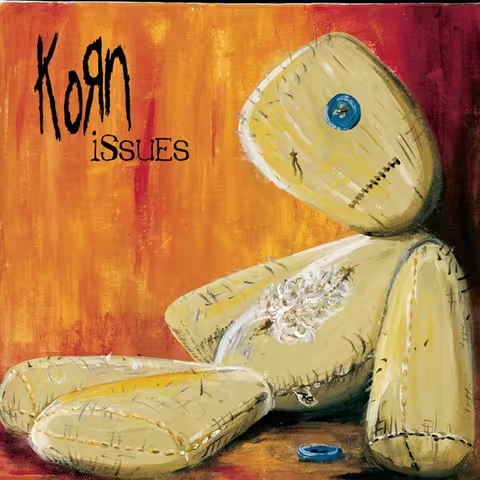
The album’s title, Issues, was a reflection of the band’s internal struggles and the personal battles each member faced. The artwork, chosen from a fan contest, depicted a ragdoll with one eye missing, symbolising vulnerability and imperfection. This imagery perfectly captured the essence of the album.
Recording Process
Recording Issues was an intense and transformative experience for Korn. The sessions took place at A&M Studios in West Hollywood and Southern Tracks in Atlanta. These studios were renowned for their state-of-the-art equipment and acoustics, providing the perfect environment for Korn to experiment with their sound.
Brendan O’Brien, the producer, played a crucial role in shaping the album’s sound. His background in working with other rock and metal bands brought a new level of professionalism to the recording process. O’Brien’s approach was to keep the band focused, limiting distractions and ensuring they captured the raw energy that Korn was known for.
During the recording sessions, the band utilised a range of equipment that was typical of high-end studios at the time. While the exact gear used isn’t fully documented, it’s likely they employed Neve consoles, various dynamic and condenser microphones, and high-quality outboard gear for effects and processing.
| Equipment | Likely Used |
|---|---|
| Microphones | Neumann U87, Shure SM57 |
| Mixing Console | Neve 8068 |
| Guitar Amplifiers | Mesa Boogie Triple Rectifier |
| Drum Kit | Custom DW Kit |
| Bass Guitar | Ibanez Soundgear |
Brendan O’Brien’s discography is extensive, with numerous notable albums to his name. Below is a selection of his work:
| Producer | Artist | Album | Year |
|---|---|---|---|
| Brendan O’Brien | Pearl Jam | Vs. | 1993 |
| Brendan O’Brien | Stone Temple Pilots | Core | 1992 |
| Brendan O’Brien | Rage Against the Machine | Evil Empire | 1996 |
| Brendan O’Brien | Soundgarden | Superunknown | 1994 |
Commercial Performance and Reception
Upon its release, Issues debuted at number one on the Billboard 200, selling 575,000 copies in its first week. This success was a testament to Korn’s popularity and the anticipation surrounding the album. It also held its ground against other major releases, such as Dr. Dre’s 2001 and Celine Dion’s All the Way… A Decade of Song.
The album was certified 3x Platinum by the RIAA just a month after its release. As of 2024, it has sold an estimated 13 million copies worldwide. Such figures highlight its impact and enduring appeal within the nu-metal genre.
The table below provides an overview of Korn’s studio albums, showcasing Issues within their discography:
| Album | Year | US Sales Data |
|---|---|---|
| Korn | 1994 | 2,185,000 |
| Life Is Peachy | 1996 | 2,227,500 |
| Follow the Leader | 1998 | 5,725,000 |
| Issues | 1999 | 3,845,000 |
| Untouchables | 2002 | 1,192,316 |
Issues also received several accolades, including a nomination for Best Metal Performance at the Grammy Awards. In 1999, the album’s unique approach and themes resonated with many listeners, earning it a place in Metal Hammer’s list of the best metal albums of the year.
In 1999, several other significant albums were released by similar artists, further shaping the heavy music landscape:
- Slipknot by Slipknot
- Significant Other by Limp Bizkit
- Risk by Megadeth
- From the Cradle to Enslave by Cradle of Filth
The heavy music scene in 1999 was vibrant, with many bands pushing the boundaries of their genres. Korn’s Issues stood out not only for its commercial success but also for its artistic depth and emotional resonance.
Track Analysis
The singles released from Issues played a significant role in its success. Each single showcased a different aspect of Korn’s musical range and lyrical depth.
The table below provides an overview of the album’s tracks, including their lengths and writing credits:
| Track Name | Length | Writing Credit |
|---|---|---|
| Dead | 1:12 | Korn |
| Falling Away from Me* | 4:31 | Korn |
| Trash | 3:27 | Korn |
| 4U | 1:42 | Korn |
| Beg for Me | 3:54 | Korn |
| Make Me Bad* | 3:55 | Korn |
| It’s Gonna Go Away | 1:31 | Korn |
| Wake Up | 4:08 | Korn |
| Am I Going Crazy | 0:59 | Korn |
| Hey Daddy | 3:45 | Korn |
| Somebody Someone* | 3:47 | Korn |
| No Way | 4:08 | Korn |
| Let’s Get This Party Started | 3:41 | Korn |
| Wish You Could Be Me | 1:07 | Korn |
| Counting | 3:38 | Korn |
| Dirty | 7:50 | Korn |
Note: Tracks marked with * were released as singles. Falling Away from Me and Make Me Bad charted successfully, with the former reaching number 7 on the Mainstream Rock Tracks chart.
Song Meaning and Lyrics
The singles from Issues offer a glimpse into the themes and emotions that Korn explored on this album. Each track delves into personal struggles and societal issues, resonating with listeners on a deep level.
Falling Away from Me is a poignant exploration of despair and defiance. The lyrics convey a sense of exhaustion and vulnerability, capturing the feeling of being overwhelmed by life’s pressures. Jonathan Davis’s haunting vocals bring these emotions to life, making it a standout track.
Make Me Bad reflects the internal conflict and self-destructive tendencies that many face. The song’s heavy riffs and intense lyrics highlight the struggle between resisting and succumbing to temptation, a theme that resonates with many listeners.
Somebody Someone deals with themes of isolation and the longing for genuine connection. The lyrics express a desire to be understood and loved for one’s true self, a universal sentiment that strikes a chord with fans.
Let’s Get This Party Started juxtaposes the idea of celebration with underlying pain. The lyrics explore the facade of happiness and the internal turmoil that often lies beneath, inviting listeners to reflect on their own experiences.
Touring and Promotion of Issues
To promote Issues, Korn employed innovative strategies that set them apart from their peers. The band released singles and music videos, each contributing to the album’s narrative and expanding its reach. Notably, Falling Away from Me premiered on an episode of South Park, introducing Korn to a wider audience.
Korn’s touring schedule for Issues was extensive, featuring performances across the United States and beyond. The band played 68 shows in 1999, including notable appearances at the Apollo Theater in New York and the Family Values Tour. These performances showcased the album’s tracks and solidified Korn’s reputation as a powerful live act.
During the 1999 tour, Korn shared the stage with artists like Limp Bizkit, Staind, and Primus. The Family Values Tour was particularly significant, bringing together some of the biggest names in nu-metal and creating a memorable experience for fans. Korn’s live shows were known for their energy and intensity, making them a must-see act.
Influences and Legacy
The creation of Issues was influenced by a range of musical and cultural factors. Korn drew inspiration from artists like Nine Inch Nails and Faith No More, as well as the broader alternative metal scene. These influences shaped the album’s sound and contributed to its unique blend of aggression and introspection.
The table below highlights the influences on Issues and the artists who were subsequently inspired by the album:
| Influences on “Issues” | Artists Influenced by “Issues” |
|---|---|
| Nine Inch Nails | Slipknot |
| Faith No More | Linkin Park |
| Alternative Metal | Deftones |
Released in 1999, Issues coincided with significant global events. The year saw the introduction of the euro currency, the Columbine High School massacre, and the launch of Napster, which would revolutionise music distribution. These events influenced the cultural landscape and, indirectly, the music that emerged during this time.
Five Things about Issues
Here are five intriguing facts about Issues that add to its mystique and allure:
| Fact | Details |
|---|---|
| First Album Sober | Jonathan Davis recorded Issues while sober, marking a significant personal milestone. |
| Fan-Designed Artwork | The album cover was selected from a fan contest, adding a personal touch to the release. |
| Historic Performance | Korn performed Issues in its entirety at the Apollo Theater, a rare feat for a rock band. |
| South Park Debut | Falling Away from Me premiered on South Park, showcasing Korn’s cultural reach. |
| Multiple Album Covers | Issues was released with four different covers, each designed by fans. |
Korn asked fans to send in album covers, of which four were chosen. A version of the album was released with each cover for the initial pressings.

Alfredo Carlos won the contest with his rag doll cover. It’s rumoured that he was paid $10,000 dollars for winning the competition and the use of his image.
Media and Television Usage
Korn’s music from Issues has been featured in various media, reflecting its cultural impact. The table below outlines known uses of the album’s songs:
| Song Title | Media | Year |
|---|---|---|
| Falling Away from Me | South Park | 1997 |
Critical Reviews and Retrospectives
Issues received a mix of critical reviews upon its release. While some praised its depth and emotional intensity, others critiqued its formulaic approach. Nonetheless, the album’s impact on the nu-metal genre is undeniable.
The table below summarises notable reviews of Issues:
| Publication | Review Score | Notable Quote | Source |
|---|---|---|---|
| Sputnikmusic | 4.5/5 | “A hallmark of the Nu-metal era.” | Sputnikmusic Review |
| Rolling Stone | Mixed | “A shift from catharsis to careerism.” | Rolling Stone Review |
After Issues
Following the release of Issues, Korn continued to evolve as a band. Their subsequent album, Untouchables, further solidified their place in the nu-metal scene, despite changes in the music industry and shifts in popular taste.
Korn faced significant lineup changes over the years, including the temporary departure of guitarist Brian “Head” Welch. These changes impacted their sound and creative direction, but the band persevered, continuing to release new music and tour globally.
As of 29 October 2024, Korn remains active, working on their 15th studio album. The band is also preparing for an extensive tour, demonstrating their enduring appeal and commitment to their fans.
Remasters and Reissues
The remastered version of Issues was released on 19 October 2016, offering fans an updated listening experience. This edition featured remastered audio, enhancing the album’s sound quality while preserving its original essence.
The table below details the remaster and reissue of Issues:
| Release | Format | Date |
|---|---|---|
| Issues (Remastered) | Digital, CD, LP | 19 October 2016 |
Conclusion
Issues remains a significant album in Korn’s discography and the broader nu-metal genre. Its themes of personal struggle and emotional depth continue to resonate with listeners, ensuring its relevance even decades after its release.
Looking ahead, Korn is set to embark on a new tour and release new music, promising to continue their legacy and impact on the music world. Fans can look forward to more from this iconic band in the years to come.
Further Reading
- Blog: The Making of Follow the Leader by Korn
- Blog: The Making of Korn by Korn
- Wikipedia: Issues
- Official Korn Website
- Epic Records Website
Let us know in the comments what your thoughts are on Issues by Korn. Did we miss anything? Share your experiences and join the conversation!



Comments