Introduction
In 1999, Static-X burst onto the late-’90s metal scene with their debut album Wisconsin Death Trip, an explosive blend of industrial metal and electronic-infused grooves the band jokingly dubbed “evil disco.” While nu-metal was at its peak, Static-X carved out a unique niche, instead of the hip-hop influences many of their peers embraced, Static-X drew inspiration from industrial acts like Ministry and Prong and even electronica like The Prodigy. The result was a high-octane sound that made Wisconsin Death Trip a defining release of its era. This deep dive will explore the story behind the album – from the band’s formation and the road to their record deal, through the making of the album, its artwork, release and reception, the touring onslaught that followed, the singles and media appearances, and some little-known facts and anecdotes along the way. Fans of Static-X and ’90s metal, get ready to take a trip back to 1999 and beyond.
Our podcast deep dive on Wisconsin Death Trip is here:
Facts Table
To kick things off, here’s a quick rundown of key facts about Wisconsin Death Trip:
| Album | Wisconsin Death Trip (debut studio album) |
|---|---|
| Artist | Static-X |
| Release Date | March 23, 1999 |
| Recorded | 1998 at Grandmaster Studios, Hollywood |
| Label | Warner Bros. Records |
| Producer | Ulrich Wild (engineer/mixer; assisted by Static-X) |
| Genre | Industrial Metal, Nu Metal (self-described “evil disco”) |
| Length | 43:55 |
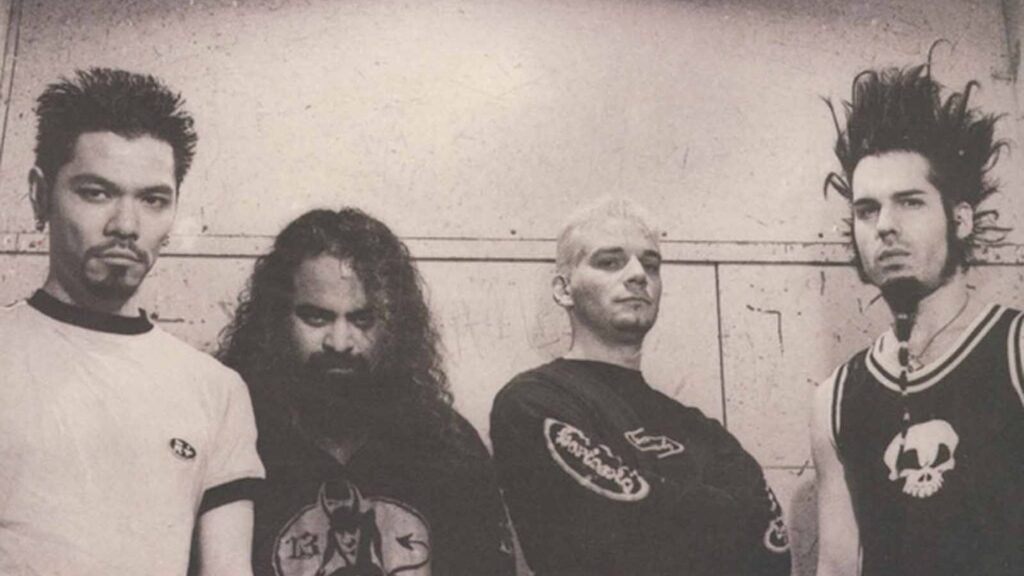
| Band Line-up | Wayne Static (vocals, rhythm guitar), Koichi Fukuda (lead guitar, keyboards), Tony Campos (bass, backing vocals), Ken Jay (drums) |
| Billboard Peak | #107 on Billboard 200; #1 on Heatseekers (for new artists) |
| RIAA Certification | Platinum (1,000,000+ U.S. sales, certified 2001) |
| Key Singles | “Push It,” “I’m With Stupid,” “Bled for Days” |
Static-X Discography & Where Wisconsin Death Trip Fits
Static-X’s Wisconsin Death Trip is not only their debut record but also their most successful. It introduced the world to the band’s signature sound and laid the foundation for their career. In total, Static-X would release six studio albums in their initial run (1999–2009), with Wisconsin Death Trip being the first and arguably the most iconic. It remains the band’s best-selling album, eventually certified platinum, whereas follow-up albums achieved gold or lower sales.
After Wisconsin Death Trip, Static-X continued to evolve their sound across subsequent releases. Their sophomore album Machine (2001) leaned even heavier and was certified Gold by the RIAA. Albums like Shadow Zone (2003) and Start a War (2005) saw the band experiment with more melody and varying influences, while Cannibal (2007) returned to a brutal, uptempo assault. Their initial run concluded with Cult of Static (2009). Each album solidified Static-X’s reputation for blending pounding riffs with electronic elements, but Wisconsin Death Trip stands out for its raw energy and originality – many fans and critics consider it a classic of its genre, on par with other late ’90s breakthrough records (Houston Press ranks it “a tier one album in the genre, up there with Deftones’ White Pony, Linkin Park’s Hybrid Theory, and Disturbed’s The Sickness”).
Following the tragic death of frontman Wayne Static in 2014, Static-X’s future seemed uncertain. However, the surviving original members (Campos, Fukuda, and Jay) eventually reunited in Wayne’s honor. They released Project: Regeneration Vol. 1 in 2020 and Vol. 2 in 2023, which remarkably feature unused vocal tracks from Wayne himself. These projects, along with anniversary tours, underscore the lasting legacy of Wisconsin Death Trip – the album that started it all remains a fan favorite, even as the band’s story continues decades later.
What Led Up to the Creation of Wisconsin Death Trip
The road to Wisconsin Death Trip began in the unlikeliest of places: America’s Midwest. Wayne Static (born Wayne Wells) hailed from rural Shelby, Michigan, and drummer Ken Jay from Jamaica, Illinoisangelfire.com. In the late 1980s, Wayne had fronted a Chicago-based band called Deep Blue Dream – a gothic/alt-rock project that even featured a young Billy Corgan (of Smashing Pumpkins fame) on guitar for a time. Deep Blue Dream eventually dissolved as Corgan left to focus on Smashing Pumpkins, but Wayne remained determined to make his mark in music.
Wayne met Ken Jay through the Chicago music scene – in fact, the introduction was courtesy of Billy Corgan himself. According to band lore, Corgan introduced Wayne and Ken at a Virgin Records store in Chicago, setting their partnership in motion. By the early ’90s, Wayne and Ken were playing together (Ken even briefly joined Deep Blue Dream before it foldedangelfire.com). Frustrated by the dwindling local scene and harsh Midwestern winters, the two decided to head west to Los Angeles in search of better opportunitiesangelfire.com. They weren’t alone in this pilgrimage; as Ken quipped, “change was in order” for these Midwesterners seeking the rock ‘n’ roll dream in sunny L.A.angelfire.com
In Los Angeles, Wayne and Ken initially formed a band called Battery with guitarist Emerson Swinford, releasing a demo as a trio. Tony Campos, a native Californian bassist immersed in the local death metal scene, soon entered the picture. Tony met Ken while they both worked at a Ticketmaster call center in L.A., bonding over their long hair and love of heavy music. Ken invited Tony to check out his band’s demo. Tony was initially skeptical – humorously, he admits he arrogantly refused to learn one of the demo songs because he thought it “sucked,” only to find out later it was an Aerosmith cover (so no wonder it didn’t suit his death metal tastes!). After realizing his current band was going nowhere, Tony jammed with Wayne and Ken and found their experimental spirit exciting. By his second rehearsal, he was contributing backing “death metal” vocals and solidifying his place in the lineup.
Around the same time, guitarist Koichi Fukuda joined to round out the quartet. A classically trained musician from Osaka, Japan, Koichi answered an ad the band posted. In a legendary anecdote, Koichi showed up to the audition holding the torn-out flyer and boldly declared, “I am your new guitarist,” impressing Wayne and Ken with his confidence and skillsangelfire.com. With Koichi on lead guitar/keys and Tony on bass, the core Static-X lineup was now in place by 1997. (The band went through several name changes in this period – from Drill, to Static, and finally Static-X once they discovered “Static” was too common to trademark.)
Static-X spent 1997 honing their sound in L.A.’s clubs and rehearsal rooms. Their music was evolving rapidly through trial and error. Tony recalls that early on the band tried many styles – from slow, sludgy heavy parts to thrash, from grunge phases to hardcore punk (they even jammed on Black Flag and Circle Jerks covers) – before zeroing in on a distinct heavy industrial groove. This open-minded experimentation helped Static-X develop a unique sonic identity. As Tony puts it, “I really loved that spirit of experimentation… it was different”. Wayne’s vision was to combine “the energizing effect of techno, the aggressiveness of a guitar-laden frenzy, and the moody overtones of the goth/industrial underground” into something fresh. The band half-jokingly labeled their emerging style “rhythmic trancecore” in those days, and later embraced the term “evil disco” to capture the headbanging-but-danceable vibe.
All the networking and relentless gigging paid off when Static-X caught the attention of Warner Bros. Records. In early 1998, their management (led by an A&R man named Andy) shopped the band’s demo around. Warner Bros. had given Andy an imprint deal, and Static-X became the first band he brought to the label. The band signed with Warner in February 1998, an almost surreal milestone for these guys who had been prepared to tour in a cramped pickup truck with a trailer if necessary. “Holy shit, is this happening?” Tony remembers thinking upon signing the major-label contract, describing it as a dream come true. At the time, major labels were only cautiously wading back into metal, so Static-X was something of a test case for Warner. Little did they know Wisconsin Death Trip would exceed all expectations.
The Making of Wisconsin Death Trip
Once signed, Static-X moved quickly to record their debut. They entered Grandmaster Studios in Hollywood in mid-1998 to lay down Wisconsin Death Trip, armed with a modest budget and big ideas. The album was produced by Ulrich Wild, a producer/engineer who had worked under the legendary Terry Date. In fact, the band initially wanted Terry Date (known for Pantera, White Zombie, Deftones, etc.) to produce, but they couldn’t afford him – so they hired Ulrich Wild, Terry’s protégé, which proved to be a great choice. Wild understood the band’s vision and helped them capture it on record.
Static-X took a very DIY, unorthodox approach during the recording process. They were determined to achieve a “machine-like” tightness to their sound, especially for the drums, but interestingly they did not use a drum machine or programmed drums on the album. Instead, they built their own homemade drum triggering system. Koichi Fukuda literally crafted trigger pads out of plywood, with piezoelectric microphone sensors attached. Ken Jay would pound on these wood slabs in their rehearsal space as if they were drums, and the signals were recorded into a computer (Opcode Vision software) to capture the precise, mechanical kick/snare/tom hits. Then, later in the studio, Ken overdubbed real cymbals over the triggered drum tracks. The result was a huge, precise drum sound – “very ‘machine-like’ sounding” as intended, but created organically through ingenuity rather than a drum machine. This clever technique exemplified the band’s resourcefulness and desire to stand out sonically.
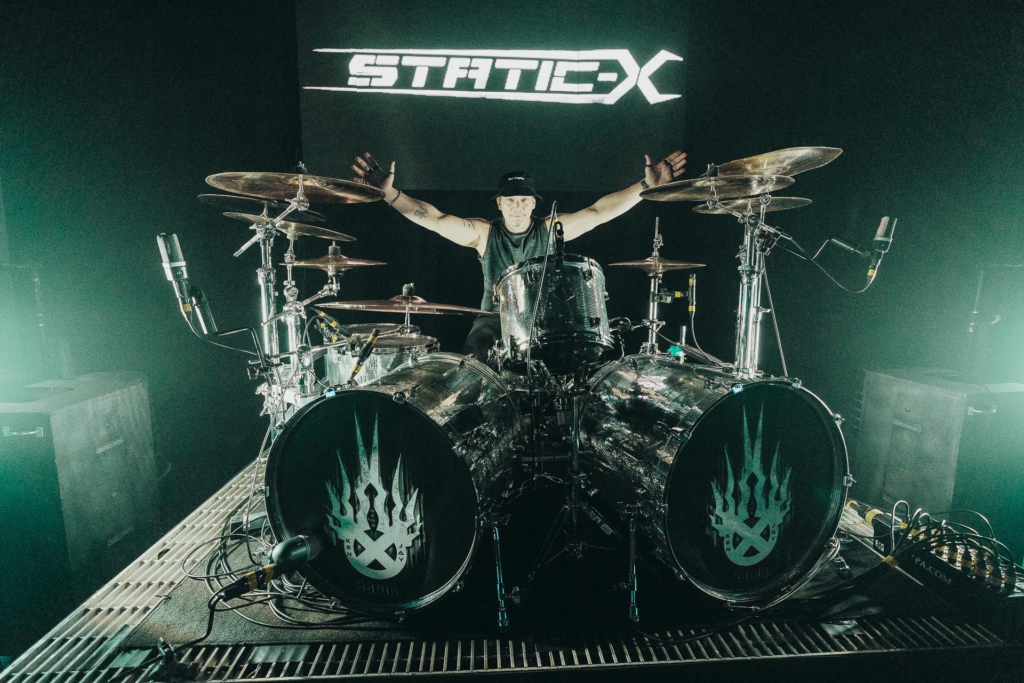
Meanwhile, Wayne and Koichi handled the electronic elements: Wayne programmed additional samples and percussive loops using an Alesis HR-16 drum machine, and Koichi added synth lines using a Roland MC-303 groovebox. These techno/electronica touches, layered atop the heavy guitar riffs, gave Wisconsin Death Trip its infectious energy. The band tracked most of the instruments in about a month (sessions often taking place late at night after day jobs), and Ulrich Wild mixed the album in Burbank. Despite the tight schedule (sources differ, but roughly 4–8 weeks total recording/mixing time), Static-X emerged with an album that captured the raw intensity of their live sound. Wayne insisted that everything on the record had to be reproducible live – “it’s always been very important to us that we be able to replicate the sound in front of an audience,” he said. Indeed, Wisconsin Death Trip pulses with a kind of live-wire energy, as if you’re in a sweaty club with the band.
One interesting footnote from the sessions: the atmospheric closing track “December” actually pre-dated Static-X – it was written by Wayne and Ken during their Deep Blue Dream days back in Chicago. The song’s dreamy, droning vibe is quite unlike the rest of the album’s high-octane attack, providing an eerie finale. Including “December” was a nod to the band’s roots and showed Static-X wasn’t afraid to get experimental and mellow, even on a debut otherwise filled with aggressive bangers.
By late 1998, Wisconsin Death Trip was in the can. The final album comprises 12 tracks packed into a tight 43 minutes. It’s an exhilarating ride: from the adrenaline-rush opener “Push It” through crushing grooves like “Bled for Days” and “I’m With Stupid,” into quirky cuts (“Otsegolation”), techno-tinged headbobbers (“Sweat of the Bud”), and moody excursions (“Stem,” “December”). The album’s title track “Wisconsin Death Trip” even serves as a mission statement of sorts – fast, chugging riffs, evil laugh samples, and a danceable pulse encapsulate the band’s ethos. Static-X had successfully distilled years of influences – metal, industrial, techno, even a dash of goth – into a sound all their own. They called it Wisconsin Death Trip, and soon the world would be headbanging along.
Album Artwork
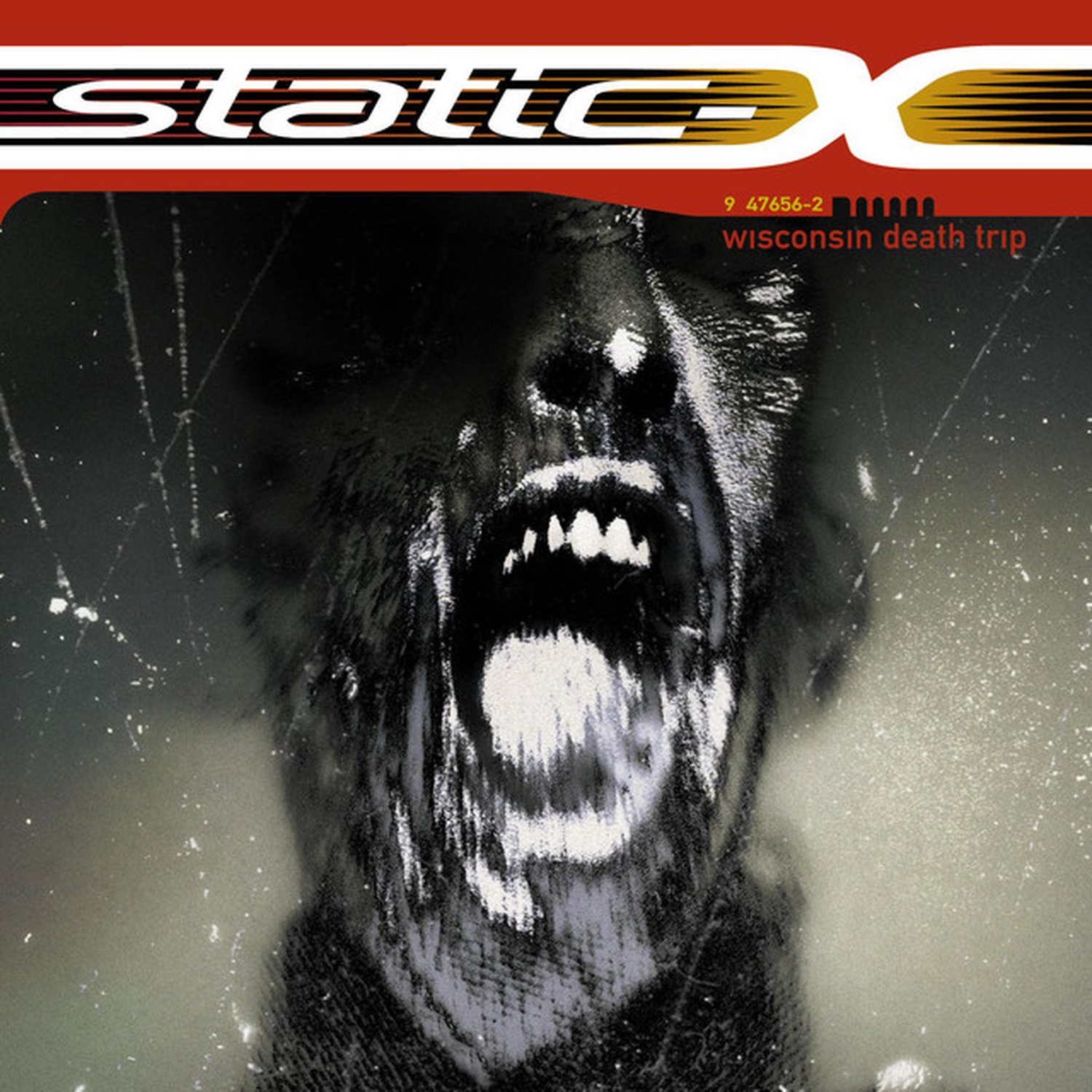
The album’s striking cover art is as memorable as the music. If you’ve seen Wisconsin Death Trip in a CD rack, you likely remember the image: a distorted, ghostly face caught in mid-scream against a black background. The visage looks almost inhuman – eyes rolled back, mouth agape – as if a person is trapped in agony or ecstasy. The Static-X logo and album title are printed in bold red and white text, but it’s that creepy face that sears itself into your mind. The artwork perfectly complements the album’s title and vibe: macabre, mysterious, and a little tongue-in-cheek all at once.
What is that face, exactly? The band has never explicitly confirmed the source, which has led to fan speculation. Some believe it’s a manipulated photograph of Wayne Static himself screaming (one insider claimed they’d seen an original photo of Wayne that was edited for the cover). Others have jokingly likened it to an electrocution victim or a zombie. The truth may forever remain part of Static-X lore, but in any case, the cover image captures the chaotic energy of the music. It’s an album named after a historical book about death in Wisconsin – and the cover certainly looks like someone on a “death trip.”
The art direction and design were handled by Steve Gerdes (credited in the liner notes), who was known for working on many Warner Bros. releases of the era. Gerdes and the band opted for a minimalist yet impactful concept: one vivid central image to draw attention. The use of high-contrast black and white (with a sickly greenish tint on some prints) gives it an industrial feel. In an era when many metal albums had elaborate illustrations or band photos, Static-X went with an abstract, almost surreal image – a bold choice for a debut by an unknown band, but one that paid off in establishing their identity.
It’s also worth noting how the album’s artwork ties back to its literary namesake. Wisconsin Death Trip (the 1973 book by Michael Lesy) compiled eerie photographs of real 19th-century Wisconsin residents and morbid newspaper clippings. Static-X’s cover isn’t a photo from that book, but it evokes similar feelings of morbidity and intrigue. In a sense, the Wisconsin Death Trip album cover is a modern, fictional “death portrait” to mirror the historical death portraits in Lesy’s book. It’s an apt visual representation of Static-X’s melding of old haunting imagery with futuristic sounds – the past and future colliding.
Inside the CD booklet, the design continues with fragmented pieces of the screaming face and a stark layout. The band photos in the insert (Wayne with his gravity-defying spiked hair, etc.) are in black and white, keeping the tone consistent. Overall, the Wisconsin Death Trip artwork helped cement the band’s aesthetic: dark, edgy, a bit bizarre – yet strangely fun. Two decades later, it’s an instantly recognizable cover for metal fans, often replicated on posters, t-shirts, and tattoos.
Release and Initial Reception
Wisconsin Death Trip hit stores on March 23, 1999. At the time, Static-X were a brand-new act on a major label, and no one quite knew how the album would perform. Initially, it wasn’t a massive chart smash – the album debuted and peaked at #107 on the US Billboard 200. However, it did reach #1 on Billboard’s Heatseekers chart (which tracks rising new artists), indicating strong momentum among rock fans discovering the band. Importantly, the record had legs: thanks to relentless touring and word-of-mouth, Wisconsin Death Trip kept selling steadily for the next couple of years, eventually earning Platinum status in 2001 for shipping over a million copies in the U.S.. For a debut album by a metal band in 1999, this was a tremendous success.
Critically, Static-X’s blend of industrial metal and crunching grooves garnered a mixed-to-positive reception. Some critics didn’t fully get it – for instance, one reviewer at AllMusic described the album’s ultra-energized style as “fast, cheap, and out of control – gutbucket thrash for the most jaded of teenage parking lot dwellers” (meant as a backhanded compliment). Legendary curmudgeon Robert Christgau gave it an “honorable mention” and quipped that it was “horrorshow abuse in living stereo – they mean it, man”. In other words, even skeptics noted the album’s over-the-top, aggressive fun. On the positive side, CMJ (College Music Journal) put Wisconsin Death Trip in their “Loud Rock – Top 5 of 1999,” praising Static-X’s “industrial/metal hybrid” and “refreshingly large, loud and groovable” guitar sound. This highlighted what set the band apart: beneath the screaming and distortion, these songs were groovy – they made you want to move.
Importantly, the album found its audience right away among metal and hard rock fans. Songs like “Push It” and “I’m With Stupid” became anthems on late-night rock radio and MTV2. Many listeners who were weary of the overly serious or angsty side of nu-metal found Static-X’s music a blast of unabashed energy – heavy, yes, but also catchy and even a bit humorous in tone (Wayne Static’s lyrics often had a quirky, abstract twist, avoiding the typical angst and profanity of their peers). As one retrospective reviewer noted, Wisconsin Death Trip stood out for its creative sound design and beat-driven focus – “even deep album cuts have background noises and effects that elevate them… this is a record about beats that make you want to move, whether that’s moshing or grooving”.
Within a year of release, the growing fanbase and continuous touring pushed Wisconsin Death Trip to Gold status (500,000 sold), at which point Warner Bros. threw the band a celebratory party. Tony Campos fondly recalls that when the album went gold, the label picked them up in a stretch Hummer limo and hosted a ceremony at Warner’s Burbank headquarters – quite a trip for a band that months earlier was planning to tour in a pickup truck! By late 2000, sales kept climbing, and in 2001 the RIAA certified the album Platinum, solidifying Static-X’s place among the top bands of the era.
In hindsight, Wisconsin Death Trip’s legacy has only grown. It’s frequently cited as one of the essential albums of the late ’90s heavy music explosion – Revolver magazine included it in “20 Essential Nu-Metal Albums” (even if Static-X bristled at the nu-metal label), and Metal Hammer ranked it among the 20 best metal albums of 1999. Fans, too, hold it in high esteem; many cite it as Static-X’s finest hour and a nostalgic touchstone of 90s metal. For Wayne Static and his bandmates, the initial reception was almost overwhelming – they went from nobodies to rising stars in a blur. Wayne later admitted, “It was really just a whirlwind and I barely remember it… we worked so hard and toured so hard that I don’t even remember most of it”. That whirlwind brings us to how Static-X supported the album’s success.
Supporting the Album: Touring and Promotion
To capitalize on the album’s momentum, Static-X embarked on an absolutely grueling tour schedule. The band had a strong work ethic from the start – even before getting signed, they were known for playing countless Southern California club shows, flyering the streets themselves, and engaging directly with fans to build a following. Once the album dropped, they applied that “old-fashioned work ethic” on a national (and eventually international) scale.
In 1999, Static-X seemingly lived on the road. They landed spots on major tour packages and festivals that put them in front of the perfect audience. Notably, Static-X scored a slot on Ozzfest 1999, the traveling metal festival headlined by Black Sabbath and Rob Zombie that year. They performed on the second stage alongside other up-and-comers. At Ozzfest ’99, Static-X even jammed onstage with friends – for example, System of a Down’s bassist Shavo Odadjian joined them for a raucous rendition of “I’m With Stupid” at one stop (nu-metal camaraderie at its finest).
Beyond Ozzfest, Static-X spent much of 1999 supporting heavier bands. One of their breakthrough tours was opening for Fear Factory – a band that made total sense as headliner, given Fear Factory’s industrial-metal style likely attracted fans who would also dig Static-X. In fact, one large package in late 1999 featured Fear Factory headlining, with Static-X, System of a Down, and (Hed) PE rounding out the bill. “Such an awesome lineup – all friends,” Tony Campos recalls. On that tour, Fear Factory’s guitarist Dino Cazares took young Tony under his wing, teaching him the ropes of touring life. Static-X also did runs with metal titans Slayer and Sevendust around this time, literally finishing one tour and driving straight to join the next without a break. Wayne Static remembered “We played 300 shows in the first year and just never went home…one tour would end and we’d drive a couple days and hook up with Slayer… that tour ends and then we’d drive to Boston to hook up with Sevendust. We just kept going”. This insane pace had Wayne living out of a rehearsal space (he had quit his day job and given up his apartment when the album was recorded) and truly earning the rockstar road-warrior credentials.
The nonstop touring paid off by exponentially growing Static-X’s fanbase. They went from club openers to playing sizable theaters within the year. The band’s live show became infamous – Wayne’s towering spiked hair and headbanging, Tony’s thudding bass lines and screams, Ken’s precise drumming, Koichi triggering samples in real time – creating what they called “mini-raves” of aggressive, danceable metal. Audiences responded with mosh pits and wild energy, validating the band’s effort to make heavy music you could move to. Songs like “Push It” and “Bled for Days” were tailor-made for the live setting, inciting crowds on each stop.
Besides touring, Static-X supported Wisconsin Death Trip through other promotional means. They filmed high-concept music videos for the singles (more on those in the next section) which got airplay on MTV’s rock shows. They also made numerous press appearances – everything from metal magazines to even a cameo on an episode of Chef! (a Comedy Central show) where Static-X performed “Bled for Days” in a nudist colony scene (yes, that really happened, and it shows the band’s sense of humor). By 2000, Static-X had become a familiar name in the rock world, helped along by soundtrack placements and constant visibility.
After touring the U.S. thoroughly, the band also headed to Europe and elsewhere, but it was the North American circuit in 1999–2000 that truly built the legend of Wisconsin Death Trip. They toured roughly two years straight in support of the album. Wayne later reflected that they may have pushed themselves a bit too hard – he wished he’d taken more time to savor the ride and bond with other bands instead of just grinding non-stop. The exhaustive schedule did take a toll (by the end of the touring cycle, Koichi Fukuda left the band in late 2000, citing burnout and personal reasons). But from a career standpoint, Static-X’s relentless support of their debut set them up for long-term success. They had proven their mettle (and metal) as a live act and cultivated a dedicated fan following that would stick with them into the 2000s.
Singles and Music Videos
Three official singles were released from Wisconsin Death Trip, and each played a key role in spreading the Static-X sound:
- “Push It” – The lead single, released in June 1999, is two and a half minutes of pure adrenaline. “Push It” immediately announces Static-X’s style with staccato downtuned riffs, rapid-fire distorted vocals, and an underlying techno pulse. It remains one of the band’s most popular songs and is often credited (along with the next single) for driving the album’s salesen.wikipedia.org. The music video for “Push It,” directed by Mick Olszewski, was a crazy visual feast. It intercuts footage of the band performing in a dark, strobe-lit space with bizarre clay-animation creatures reminiscent of Tool’s stop-motion videos. One moment you’d see Wayne Static and the guys rocking out; the next, some grotesque clay figure appears on screen. The frenetic cuts and surreal imagery matched the song’s manic energy. “Push It” got decent rotation on MTV’s specialty shows and MTV2, helping introduce Static-X to a wider audience. On the radio front, it also did well – the track hit #20 on Billboard’s Mainstream Rock chart and even #36 on the Alternative Airplay chart, proving its crossover appeal. Fun fact: “Push It” was so groove-oriented that it even charted on a Billboard dance chart (Hot Dance Singles Sales) at #5 due to the single’s club remixes – truly bringing “evil disco” to the dancefloor!
- “I’m With Stupid” – The second single, released in early 2000, continued to build the band’s momentum. “I’m With Stupid (He’s a Loser)” is a pummeling track featuring one of the album’s catchiest shout-along choruses (“He’s a looooser!”). It kicks off with Wayne bellowing the title line, then slams into a chugging riff and electronic whirs. The song’s tongue-in-cheek lyrics (allegedly inspired by a former band associate who was, well, a loser) and high-energy bounce made it a fan favorite. Its music video (directed by David Meyers) picked up where “Push It” left off, bringing back some of the same claymation monsters and adding new oddities. Notably, Wayne Static appears in the video dressed in drag as a middle-aged woman character, and there are random monkeys hidden throughout the scenes. The whole thing is bizarre and humorous, reflecting the band’s playful side. Both “I’m With Stupid” and “Push It” became cornerstone songs for Static-X – Tony Campos has said these two singles were largely responsible for Wisconsin Death Trip’s success and enduring appeal. While “I’m With Stupid” didn’t chart as high as “Push It”, it solidified Static-X’s presence on rock radio and MTV in 2000.
- “Bled for Days” – Technically the final single from the album, released in spring 2000, though interestingly it was the very first Static-X song to ever be heard by many. That’s because “Bled for Days” appeared on the Bride of Chucky horror movie soundtrack in late 1998 – months before the album came outangelfire.com. Its early inclusion on that soundtrack (alongside a Korn remix and others) helped build underground buzz for the band. The album version of “Bled for Days” is a crushing, riff-driven track with a sinister chorus and pulsing electronics – quintessential Static-X. For its music video, instead of a big conceptual shoot, the band compiled live performance footage (capturing the intensity of their concerts) and spliced it with the studio track audio. The video gave a glimpse of the band’s onstage power: Wayne windmilling his hair, Tony stomping around on bass, the crowd going nuts. “Bled for Days” remains a staple in Static-X’s catalog and often a show-closer at concerts. It’s worth noting the song also popped up in another 1999 film soundtrack (the action movie Universal Soldier: The Return), further exemplifying how film/TV placements boosted the band’s profile.
Beyond the official singles, nearly every track on Wisconsin Death Trip became beloved by fans. Songs like “Love Dump” and “Stem” weren’t radio singles but had their own notoriety (the former for its raunchy love-gone-wrong theme, the latter for its creepy ambiance). In 2000, Static-X also released a remix EP “The Death Trip Continues” with clubby remixes of album tracks, indicating how their music easily lent itself to the industrial dance treatment.
In summary, the singles from Wisconsin Death Trip showcased Static-X’s range – from all-out explosive (“Push It”) to grinding and groovy (“I’m With Stupid”) to dark and heavy (“Bled for Days”). Accompanied by memorable videos and constant touring, these songs are what hooked many fans for life. If you were a metal or hard rock fan around 1999-2000, it was hard to avoid at least hearing “Push It” – and likely headbanging along to it.
In Popular Culture: Songs in TV, Movies, and More
Static-X’s music from Wisconsin Death Trip found its way into numerous movies, video games, and pop culture moments around the turn of the millennium. The band’s crossover appeal (metal that you can dance or fight to) made their songs a popular choice for soundtracks. Here are some notable uses of WDT-era tracks in media:
- Film Soundtracks: “Push It” was included on the soundtrack for the horror-comedy film Idle Hands (1999) and revved up a chase scene in the motorcycle action flick Torque (2004). A remixed version of the sleazy love song “Love Dump” appeared in the Valentine’s Day slasher movie Valentine (2001). As mentioned, “Bled for Days” was featured in Bride of Chucky (1998) and also in Universal Soldier: The Return (1999), adding adrenaline to those films’ soundscapes. Static-X’s aggressive sound fit right in with late-90s horror and action movie vibes.
- Video Games: The turn of the century saw an explosion of video game soundtracks embracing metal, and Static-X was part of that. “Push It” was used in the intro of the PlayStation game Duke Nukem: Land of the Babes (2000), giving players a rocking start to their adventure. “Otsegolation” (an ode to their home base in Otsego, Michigan) was featured in the U.S. release of the mech shooting game Omega Boost (1999), adding industrial metal flair to giant robot battles. Years later, in 2009, “Love Dump (Mephisto Odyssey mix)” found new life in the heavy-metal-inspired video game Brütal Legend, perfectly at home among a soundtrack of rock/metal classics.
- Television and Others: As mentioned earlier, Static-X made a cameo on Comedy Central’s series Chef! in 2000, performing “Bled for Days” in a humorous context (nudist camp scene). Additionally, the band and songs from Wisconsin Death Trip were often used in extreme sports videos, wrestling events, and other high-energy settings during that era. In 2008, “Push It” was released as a downloadable track for the Rock Band video game, allowing players to test their skills on Wayne’s rapid-fire vocals and the song’s driving riffs.
All these placements helped expose Static-X to audiences who might not have caught them on the radio. Whether you were watching a late-night horror flick, fragging enemies in a shooter game, or just rocking out in Rock Band, Static-X was there, pumping adrenaline into the experience. For a debut album, Wisconsin Death Trip had impressive reach across pop culture – a testament to how its energetic spirit resonated beyond the confines of the metal scene.
Five Things You Might Not Know About Wisconsin Death Trip
Even if you’re a die-hard Static-X fan, here are five interesting bits of trivia about Wisconsin Death Trip and its creation that might surprise you:
- It Was Named After a Creepy 1970s Book: The album title Wisconsin Death Trip wasn’t just a catchy phrase – it comes from a 1973 book by Michael Lesy. Wayne Static found this obscure book (which chronicles bizarre deaths and disasters in 1890s rural Wisconsin) at a flea market years before and became fascinated with it. The band originally thought Wisconsin Death Trip would make a great band name, but their label deemed it too long, so they stuck with Static-X and used it as the album title instead. The morbid book’s influence can be felt in the album’s dark humor and imagery.
- Billy Corgan Helped Bring the Band Together: Smashing Pumpkins frontman Billy Corgan had a unique role in Static-X’s early history. Back in Chicago, Corgan briefly played with Wayne Static in his pre-Static-X band Deep Blue Dream (in the late ’80s). When Wayne later met drummer Ken Jay in 1994, it was Billy Corgan who introduced them at the record store where Ken worked. Without that introduction, Static-X’s core partnership might never have formed. Corgan even recounted how Wayne tried to recruit him into the band, but Billy opted to focus on the Pumpkins – a decision that worked out for both of them in the end!
- DIY “Wooden” Drums: To achieve the album’s signature mechanical drum sound, Static-X literally built their own drum triggers from scratch. Koichi Fukuda constructed trigger pads out of plywood, and Ken Jay slammed on these wooden boards to record the drum tracks into a computer. They only recorded the cymbals live after the fact. This homemade solution gave songs like “Push It” that precise, industrial rhythm without using pre-programmed drum machines. Talk about ingenuity – the band essentially “hacked” their way to the perfect sound.
- Hidden Samples and Movie References: Wisconsin Death Trip is peppered with cool samples from films – some obvious, some nearly subliminal. The intro of “Sweat of the Bud,” for example, contains a sample from the 1968 film Planet of the Apes (the sound of the spaceship crash-landing). The eerie intro of “Stem” features audio from the experimental horror film Begotten (1989). And at the very end of “I’m With Stupid,” you can hear a line delivered by scream queen Linnea Quigley in the B-movie Sorority Babes in the Slimeball Bowl-O-Rama (1988). Static-X loved sprinkling these horror/sci-fi pop culture nods into their songs – it added an extra layer for fans to geek out on.
- “December” Came From a Previous Band: The haunting final track “December” is unlike anything else on the record – slow, moody, and largely instrumental. That’s because it actually predates Static-X. Wayne Static and Ken Jay wrote “December” when they were in their earlier band Deep Blue Dream in the early ’90s. They resurrected it for Wisconsin Death Trip, giving the album a unique ending. The ethereal song also showcases Wayne’s ability to dial down the screaming and explore more melodic, atmospheric territory – a hint at the broader songwriting talent behind all the “evil disco” mayhem.
Stories from the Wisconsin Death Trip Era
The era surrounding Wisconsin Death Trip (roughly 1998–2000) was a wild ride for Static-X, filled with the kind of colorful stories that come with a young band’s rise to fame. Here are a few memorable anecdotes and moments from that time:
- Tony Campos’ Not-So-Perfect Audition: When Tony (the bassist) first jammed with Wayne and Ken, he had learned all the songs on their demo tape except one. He told the guys he skipped that last song because “that song sucks.” Wayne and Ken revealed, much to Tony’s embarrassment, that the unloved song was actually an Aerosmith cover they were messing around with. Tony had essentially walked into the audition and called Aerosmith “sucky”! Luckily, the band had a sense of humor – they weren’t married to the cover either, and they were more impressed that Tony nailed their original songs. This blunt first impression became an inside joke and clearly didn’t hinder Tony from getting the gig.
- The Name “Static-X” Was Decided Last-Minute: As noted, the band changed names a few times. They were calling themselves “Static” during the recording of the album, but found out that name was taken by others. With the album nearly done, they needed a unique name. Various ideas were tossed around (including naming the band after the album Wisconsin Death Trip). They settled on simply adding an “-X” to Static to avoid legal issues. Thus, Static-X was born – right around the same time the album was being finalized. If not for that, who knows, we might be talking about the band Wisconsin Death Trip today!
- A Doctor on the Fan Mailing List: Wayne Static recounted a crazy incident from before they were signed. He was in a car accident in L.A. and got rushed to the emergency room with a bloody head. As he’s on the stretcher, barely conscious, the doctor trying to keep him awake asks what he does for a living. Wayne groggily says he’s in a band called Static-X. To his surprise, the doctor replies that he’s on the band’s mailing list and attends their local shows! This underground fan-doctor then promised Wayne free medical care and free show support. Wayne joked that the doc “gets in free now” to their concerts. It’s a funny example of how dedicated the early fanbase was – Static-X even had M.D.s rocking out at their gigs.
- From Limos to Repossession: The rapid rise of Static-X had its rockstar perks and humbling moments. When Wisconsin Death Trip went Gold, Warner Bros. pampered the band – limo rides, champagne, the works. The guys from rural Michigan/Illinois suddenly found themselves feeling like real “rock stars.” Yet, not long after, reality hit hard. Tony Campos recalls that at the end of one lengthy tour, the band’s tour bus was actually repossessed – they hadn’t yet generated enough cash flow to keep it, so they got booted off and had to finish the tour in a van. It was a quick lesson that the rock’n’roll life can be a rollercoaster of highs and lows. One minute you’re in a Hummer limo, the next you’re crammed in a van driving overnight to the next show.
- On Tour Debauchery: By their own accounts, the Wisconsin Death Trip touring years were pretty decadent for the band (especially once success hit). Tony, who was a self-described shy guy beforehand, laughs about his “late bloomer” status with the ladies – once the band hit the road and achieved some fame, he “made up for lost time” with groupies and the rockstar lifestyle. The band often hints at the “not safe for work” antics that happened on that first tour – the kind of wild partying and hijinks you’d expect when a band of twentysomethings suddenly have money, access, and no supervision on the road. They’ve wisely kept many details off the record, but it’s clear they were enjoying the ride. As Tony said, those first couple of years were “such a magical time for us” where everything was new and over-the-top.
- Never-Ending Tour Memories: Wayne Static later reflected on how they never took a break during the album cycle, and he somewhat regretted not pausing to smell the roses. “I kind of wish I had taken the time to sit back and appreciate it more… maybe spend time having a good time and partying a bit more, and taking some pictures”, he said, noting that in hindsight he was so focused on pushing forward that memories became a blur. Still, one gets the sense that not partying enough was probably the least of their problems – given their anecdotes, they certainly had their share of fun!
These stories highlight the whirlwind that was the Wisconsin Death Trip era for Static-X: a time of scrappy DIY effort, unexpected encounters, sudden success, and youthful excess. For the band members, it was an unforgettable period where their lives changed dramatically. For fans, it’s fun to peek behind the curtain at the shenanigans and hard work that fueled the album we love.
The Legacy of Wisconsin Death Trip
Looking back over 25+ years, Wisconsin Death Trip endures as a landmark album in heavy music. It captured Static-X at the hungry start of their career – four guys concocting a new brew of metal that was heavy, catchy, and uniquely their own. The album’s success launched Static-X into the spotlight and set the stage for a string of further albums, but Wisconsin Death Trip remains special. It’s the record that gave us the band’s identity: Wayne Static’s electric hair and vocals, Tony Campos’ rumbling bass and screams, Koichi Fukuda’s cybernetic riffs and keys, Ken Jay’s piston-like drumming – all the elements clicked here.
The album’s legacy can be measured both in its influence and its continued popularity. Musically, Static-X influenced a wave of bands that realized you could marry pummeling metal with danceable electronics – in some ways they bridged the gap between the industrial metal of the early ’90s (Ministry, Nine Inch Nails) and the nu-metal of the late ’90s, creating a hybrid that others would follow. Yet, as Tony Campos has pointed out, Static-X never fit neatly into the nu-metal box. They weren’t rapping or grooving in a hip-hop sense; they were “trying to rip off Ministry and Prong” and were also inspired by electronica acts like The Chemical Brothers. In retrospect, that makes Wisconsin Death Trip stand out all the more – it doesn’t sound dated to its era because it wasn’t exactly like anything else at the time. That’s why revisiting the album years later, many (even critics) find it “more impressive now than it was when I was younger,” with layers of atmospherics and precision that elevate it beyond a simple heavy rock record.
For the fans, Wisconsin Death Trip holds a nostalgic place. Songs from the album are staples of Static-X’s live set, and when the band reformed (with Xer0 on vocals) for anniversary tours in 2019, the primary draw was performing Wisconsin Death Trip in full as a tribute to Wayne Static. The fact that those shows were packed with new and old fans alike speaks volumes – a whole new generation has discovered the album, rocking out to “Push It” just as intensely as folks did in 1999. As bassist Tony Campos said in a recent interview, “to see something we did 25 years ago connecting with a whole new generation is pretty humbling.”. The band’s release of a 25th Anniversary Edition box set, complete with remastered audio and unearthed photos, further cements Wisconsin Death Trip’s status as a classic worth celebrating.
In the end, the story of Wisconsin Death Trip is not just about an album, but about Static-X’s journey – from Midwestern bar band to platinum-selling artists, from sleeping in a rehearsal space to touring the world. It’s about innovation (homemade drum pads, “evil disco” metal) and perseverance (300 shows in a year, anyone?). It’s also tragically about appreciating what you have before it’s gone; with Wayne Static’s passing, these songs have become an enduring memorial to his vision and talent.
For those of us who press play and hear that opening “Push It” riff, we’re instantly transported to a time when metal could be unabashedly fun and heavy all at once. Wisconsin Death Trip encapsulates that feeling. So whether you’re a long-time fan dusting off the CD for the hundredth time or a new listener curious about the hype, crank up this album and take the ride. As Static-X proved in 1999, sometimes the wildest-sounding ideas result in the most unforgettable music – and the trip is well worth it.
I’ll leave you with Wayne Static’s famous quote…“Keep disco evil!”
About the Author