No matching lines.
Chris0:00
Sam.
Neil0:41
We're back.
Chris0:41
Back. It's very well. We've done very well for these last few weeks because. Yeah, we did poorly, didn't we, for a bit.
Neil0:47
Are you all right? You sound all right.
Chris0:49
Yeah, I'm getting there.
Neil0:50
Are you?
Chris0:51
I'm right at the back end of the thing now. It's just like a bitch. I'll give it to you. Yeah, it's the. It's right at the back end of it now. So I think. I think it's on its way out. Good. I'm gonna see it off, but there was a lot of time before Christmas.
Neil1:03
Okay. It's been about three weeks, isn't it?
Chris1:05
Yeah. Yeah. But we had to have time off because there was so much going on and all that. And we've actually been consistent for a few weeks, which I think is very good.
Neil1:13
Consistent.
Chris1:13
Consistent that.
Neil1:14
You know, we talked before the show. I was saying that somebody said something and it was obsessively consistent is what they said. I couldn't remember the. Couldn't remember what they said.
Chris1:25
It was good. We're back.
Neil1:26
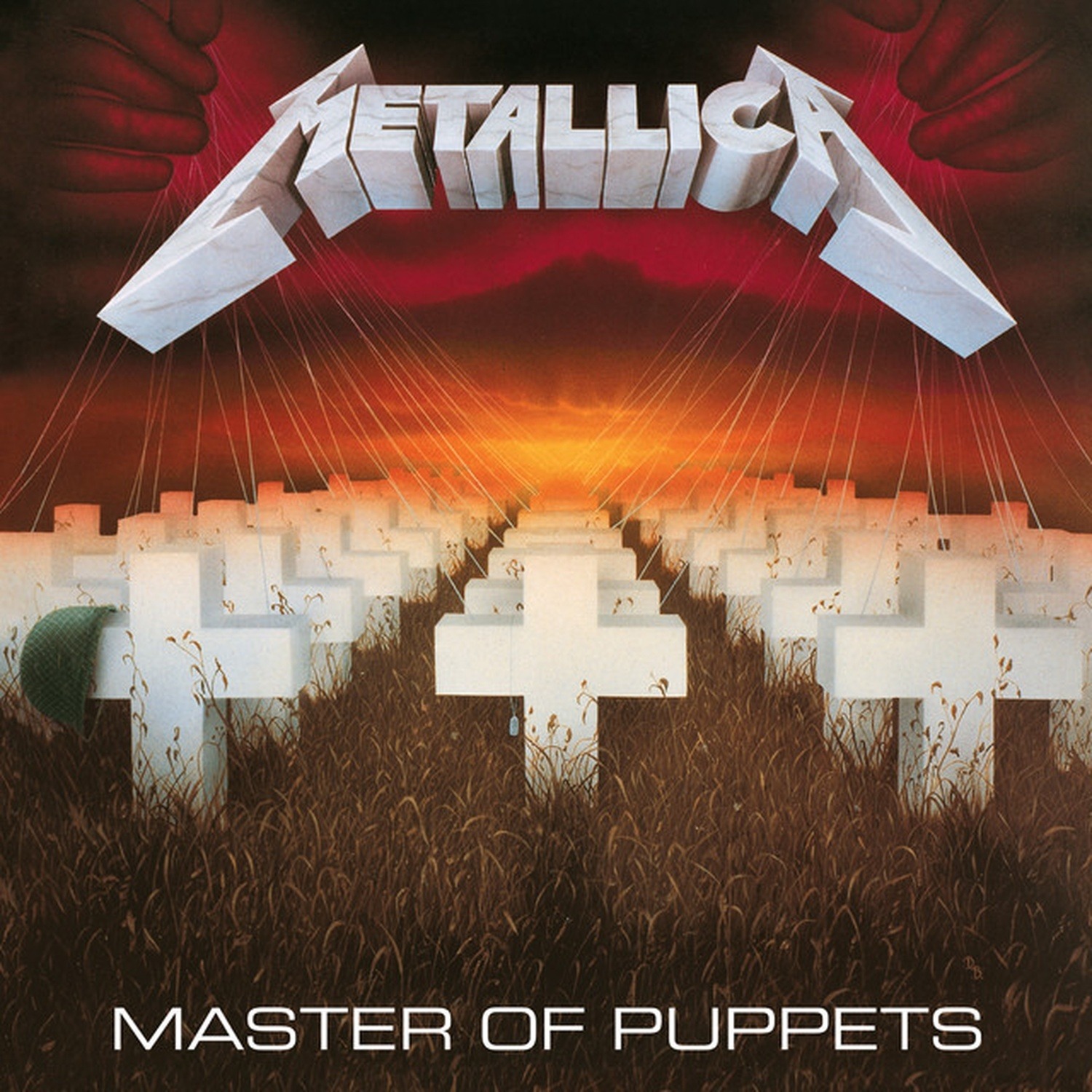
We're doing. We're doing Metallica. It's gonna be dead good. This is. This is one of my favorite records. I've got this on many copies of vinyl and CDs, and I reckon. And I'm gonna go out. We'll go off piste in a minute. I could. This one. Well, it's interesting. So I. I think. And I've. I've been. I've been thinking a lot this week about the Metallica back catalog and what it is like. What it. What is it about this album and Ride the Lightning before it, and why I usually pick Ride the Lightning. If I'm gonna listen, if I'm. If I'm feeling in the mood for this era of Metallica, I generally pick Ride the Lightning off the shelf. Even though I love this album and I listen to this album loads. But that, Like Lightning is the one that I'll probably listen to more. And I'm like, I think this could be, like, just peak metal.
Chris2:21
Yeah.
Neil2:22
Do you know what I mean? I don't think these are. I had an argument with somebody online this week about whether. Whether, like, the Black Album's not a thrash record.
Chris2:29
No.
Neil2:30
And justice is definitely not a thrash record. That's a proggy as it gets. Brilliant but proper proggy.
Chris2:37
Yeah.
Neil2:37
And then for me here, you've got, like. You've got Kill Em all, which is thrash, and then you've got this, like, metamorphosis of Metallica from Kill Em all to the Black Album or Hard Rock Through Prague, where they're kind of flirting with Prague and the influences of the band. You know, you had, like, Cliff Burton, love classical music. You know, Kirk is like Joe Satriani's student. He's like, you know, super clever and talented and complicated. And then you've got the writing of. Of. Of James and Lars. And you ended up with these two records in Lightning and. And Puppets. That. For me, they would. They just. Yeah, yeah. They were thrash from. I mean, not even. The production wasn't very thrashy. You know what I mean? They don't sound like thrash albums, production. For me, there are thrash bits in both of them.
Chris3:38
Yeah.
Neil3:38
But there are these melodic bits and really clever layering and the, like. The phrasing. Just everything is just like. It's like thrashy, but then it's got this stuff built on top of it.
Chris3:50
Yeah.
Neil3:51
And I don't know, I. I think that Lightning and Puppets are probably like. I think Puppets is the better record.
Chris4:01
Yeah.
Neil4:02
And that makes no sense. Really contradictory. I know because I just said I preferred Lightning and I do. But I think this record, Master Puppets, is the best metal album that's ever been made. That's going back to Black Sabbath a whole lot. I think it stands up to Paranoid. I think it stands up to, you know, Back In Black. I think it stands up to any record, any metal record. I think you could stand. You're like. You could put. I think you could put Paranoid. You could put, like, Back In Black.
Chris4:31
Yeah.
Neil4:32
And I think you could put Master Puppets up there on the wall with them at the same time.
Chris4:35
Yeah, right.
Neil4:36
I think it's that good. I think there is not a big bit in this record that's not like, just off the hook. It's. Everything's, like, perfect or really super close to perfect. It's phenomenal. And I mean that in a. In a way. I'm going to gush about it even more now. I mean that in a way that's not like. Like the new Alter Bridge record, which is perfect. Like, perfectly perfect.
Chris4:59
Yeah.
Neil5:00
This is done without click. This is done without layer and layer of digital stuff. It's. It's analog. It's. You know, and. And everyone gives Lars a hard time for drumming and blah, blah, blah. Everyone is keen to point out that he's not a very good drummer and blah, blah, blah, blah. Right. These were done to analog tape in the 80s. 1984. 5 and 6. These were 84 and 5. They were recorded. You didn't have Pro Tools then. You weren't chopping up bits and pieces. You weren't. You know, I mean, it. This is.
Chris5:32
You did it banned on their A game, isn't it you.
Neil5:35
And you can. I think you can hear these two records so, so, so Lightning, which we'll cover at some point in the future. I'm sure it's still true of this one. Both recorded in the same studio. Both Fleming Rasmussen, and they were. For me, they were both pretty much done live. You can feel the energy is there. And then layer after layer pull on top.
Chris5:55
It feels like. It just feels like a band that are totally tuned in with each other. To me. It feels. It feels like. And I'm gonna. I'm dive straight into something here and. And you know, from. From editing the interviews, you know.
Neil6:08
Yeah.
Chris6:09
Listen to this. Is like. They all still really miss Cliff.
Neil6:12
Oh, yeah. Yeah. I think. And.
Chris6:14
And I think there's a lot. There's a lot this. There's a lot that came after this with Metallica. And when you understand the love that they had for that guy. Yeah, it's really sad. Oh, gosh, it's so sad. It's so sad because, you know, you just think, you know, that. That those original guys, you know, Kirk, Lars, James, you can just tell they're constantly. Like, at that time, we had this thing and it was perfect. Yeah, you can hear it. You can hear when they're talking about it. When we did this, the. When the two albums you mentioned, when we did this and when we. Particularly with Master for, you know, it's so sentimental for all of them.
Neil6:49
I think Master of Puppets signifies for a lot of people, and it does.
Chris6:53
For me as well.
Neil6:55
The pinnacle of the Cliff Burton era. James. And my outlook was very narrow in the beginning. And so, you know, Cliff Burton shows up and starts talking about the Eagles or Salmon and Garfunkel or Jethro Tull or Misfits or all this different stuff. And so we went broader and broader in our scope. He was into some pretty obscure stuff.
Chris7:17
But a true and total musician.
Neil7:19
He loved music.
Chris7:20
He was probably the only one in.
Neil7:22
The band that had studied music properly, you know, going to music classes, studying theory.
Chris7:28
And he introduced harmony to me.
Neil7:31
He was. He was king of that. He always had lots of different ideas that were layered.
Chris7:37
And, you know, because it was bass.
Neil7:39
And distorted, it was a little hard to tell, but it had its own character because it was bass. And he was genius at harmonies and layering and unique phrasings, you know, very classical. Sounding, you know, not your typical rock stuff at all. And he'd always push it one extra little something, you know, and that's what was so unique about him.
Chris8:09
And he was a real musician.
Neil8:12
And I'm pretty surprised that he didn't play guitar. I mean, obviously played guitar, but didn't choose guitar.
Chris8:19
I really felt that that lineup's peak and when, I mean that it's, you know, we were peaking with Cliff Burton, you know, and he was writing amazing stuff and like I would, I would sit there because we roomed together. I would sit there and watch him play his detuned classical guitar. And he'd play the weirdest, craziest stuff, really weird stuff, you know. And then he'd put on this like, like Les Paul copy and start playing along to like Leonard Skynyrd songs. And I get, I get annoyed after a while cuz he, he'd stop the track and go, and go point out to Ed King solo and go, what's he doing there? And he goes, do you know what he's doing? I go, yeah. And then he said, please show it to me. And then I'd have to show him like, like a basic like guitar thing. And then he would play it for like three. He played for like the like the next three hours, like over and over and used to drive me crazy. But you know, that was his process. Arrangement wise, you know, songwriting wise, sonically, you know, playing wise. We coalesced in a way that we had not coalesced at that point, you know. And it just like makes me wonder what, what injustice for all would have been like with Cliff. You know, I actually, you know, that's a, that's a thought that I still, I still contemplate. And it got me thinking about, you know, when you see all of these, you know, film documentaries and you could sense the frustration. You can sense them kind of like getting each other and arguing.
Neil9:58
Oh yeah, yeah, yeah, there's tension in.
Chris9:59
The band and all that sort of stuff. And all I can. All I keep thinking now is like, how sad is it that the lost Cliff? Because, you know, maybe he was the glue. Maybe, maybe, maybe, you know, that, that lineup going forward with, with, you know, it's a weird thing to say, but in a, you know, in a parallel universe where that thing didn't happen, would Metallica be the Metallica they are now?
Neil10:20
What would have happened? Really, really interesting. And I think you're on a. This thread happens on social media every. There is, there is this thread. What if Cliff hadn't. Yeah, yeah, like, you know, died on the. On the bus in. In Sweden. What would Metallica have done it? And this is one thing for certain, I don't think. And justice would have been injustice. I don't think that would have happened in the same way. You know, ultimately Jason Newstead, who came in to Metallica to play base, wasn't he.
Chris10:49
He loved it. He absolutely loved it.
Neil10:50
He was like. He was besotted with the band and he was brilliant.
Chris10:53
Yeah, yeah, yeah.
Neil10:53
And Lars turned the bass down.
Chris10:56
Yeah.
Neil10:56
So much you can hardly hear it on Justice. There is no way he'd have done that to. To Cliff, right. So that would have had bass on it. I think it would have made it a better. I mean, not that you. We all know my statement on this, right. You can't go back and touch and justice now. And justice is a function of. Of the band and where they were at the time and the people that were playing. And I don't want to see re recordings with bass added to it. Right. I think that's just stupid. It is what it is and it's great. It is a. Is a. It's an album unlike anything. Yeah, at the time. Really, really cool. But yeah, I. I don't know. I think Cliff would have pushed them along. Cliff would have carried them and supported them more in that praggy journey, I think, right, because he was. He was kind of a classical music fan. He loved classical music, you know, and he only, you know, he lived metal in the new wave of British heavy metal as well and all of that stuff. But he. He was the guy initially that was keen to experiment and did. To muck about and be, you know, be a bit. Bit more exotic than just kind of, you know, straight three minute thr.
Chris12:01
Yeah, yeah, yeah.
Neil12:03
The thing I. I don't think many people remember about this time is that the band themselves. So they did Lightning. So they did kill them all. Then they did Lightning. Now Lightning is. Is an order of magnitude better record than Killer More World like Killamore's Brilliant. Lightning is up there with one of the best records ever made on the planet.
Chris12:25
Phenomenal.
Neil12:28
Puppets was the band saying, we're going to do exactly the same thing again, but better. And they all went off and studied like famously. Kirk Hammett went back to Joe Satriani and had more guitar lessons so he could play better on this album. Lars went off and really started to perfect the kick drum, the double bass work and went off for drum lessons do. To get. To get better and better and better. You Know, and. And the songwriting is better here as well. I think it lost a little bit.
Chris13:05
Yeah.
Neil13:06
In terms of authenticity, I think it's more polished. Yeah. I think. I think the song structure is better. I think the polish. Yeah. I think it's more polished. It's more professional.
Chris13:16
Yeah. Yeah.
Neil13:17
But like, for me, I think like metal, like a pop album or a heavy rock album, I kind of. Yeah, that perfectionist is kind of good. For me, this kind of Metallica needs an edge, thrash, edgy stuff in there. Yeah. I kind of want to bite to it. I want it to be not quite as polished as that. And I think lots of modern metal bands, it's just too, like, clinical. And Puppets isn't there? But I mean, the. The difference between Master of Puppets and modern metal, there's a chasm between them.
Chris13:46
Yeah. Yeah.
Neil13:46
But for me, that's what separates Lightning and Puppets. Right. Puppets is a bit that as players, they're just better.
Chris13:54
Right.
Neil13:55
There's like an extra 10, 15% of, you know, like, just better playing and better writing here. I think the production is a little bit like, better and more polished too, but for me, it's perfect. This is perfection. If you. If you were to look at that arc of them as players getting better and better, this is where it be the pinnacle. And then. And then you end up with, of course, the, like the tragedy of losing Cliff.
Chris14:22
Yeah.
Neil14:22
And then I think this spiral starts to hit. Right. So then they start to spiral out of control. They're already read this article that talked about Cliff's death causing James to become an alcoholic. James was an alcoholic?
Chris14:40
Yeah.
Neil14:41
I mean, the band were called Alcoholica.
Chris14:44
Yeah. Yeah.
Neil14:44
Before these tours, they were. James. James drank hard from, you know, before there was a Metallica. But I think being an addict, you know, being addicted to alcohol, I think that's the worst parts of his character. Then started to spiral. The same with Lars. They both started to really spiral and. And struggle massively. They. They were really tough on Jason instead.
Chris15:14
Yeah.
Neil15:15
And. And Kirk just is high. He got to the point where he was basically high all the time. There's lovely articles of, like, sound crew saying that, you know, you. If you wanted to relax, you would sit near. Near Kirk and he'd be. Whatever he was smoking, you would kind of ingest a little bit and everyone would be calm and happy. You know, the gig might not happen, but everyone was. Was well chilled. And it's interesting. It just starts to. To for me, weirdly, like, the band culture starts to decline. Yeah.
Chris15:44
The wheel starts. Come on.
Neil15:45
Yeah. Almost immediately after. Well, yeah, this came out in March. Yeah, but they got.
Chris15:51
Jason were back on the road again, weren't they?
Neil15:54
Cliff died in September, I think. And then by year they were. They were back out on the road. They've never. They've always been a really hard touring band. James broke his hand playing. He was a skateboarder. He broke his hand skateboarding. And they only missed one gig and then they got a roadie to play and they'd always been. Been out there. But I think that the band dynamic changes really rapidly here.
Chris16:17
Yeah.
Neil16:17
And then. But. But kind of collides with them becoming popular because they did. And Justice.
Chris16:27
Yeah.
Neil16:28
Again for like the modern kids of today. They think that Master of Puppets was a big album and it wasn't. I think, you know, Lightning was a big album and it wasn't known. No one knew about these albums at all. Metallica, they were supporting, weren't they? Metallica was supporting. Ozzy was out on the Ultimate Sin tour. And I remember seeing them on that tour and they were. They were great. I mean, we. We went to see. I went to see Metallica. They were, you know, they were my band. They were thrash band. That was what I was into. Ozzy was a bit old fashioned and footy dirty for me at that point. It was a bit poppy.
Chris17:00
Yeah. Yeah.
Neil17:02
So I went to Metallica. But they were not known. I mean, before that tour, there were no singles off Masterpiece, no videos. Yeah, the band took this like famously. She either like the musical, you don't like, I Don't Care, you know, I mean, we're gonna go and tour it, we're gonna play it. The best place to kind of get. Get into people's heads is live. So, you know, that's what I'm gonna do.
Chris17:24
Yeah.
Neil17:25
But there was nothing from them at all around this time. And justice came through and they did. Or their record label forced them to do a video for the track one and it blew up. It was massive. And that's the point. That's the inflection point where Metallica suddenly became big.
Chris17:44
Yeah. Yeah.
Neil17:46
So they. They went from Killer More. Yeah. No one. Yeah. Kill Them All. Nobody had that on.
Chris17:54
Am I right in saying that? Kind of. Megadeth were a big. A bigger band. A Slayer. They were big. They were quite bigger bands.
Neil18:00
Metallica were always up there. These bands were. None of these bands were big. No.
Chris18:04
Right.
Neil18:04
Like looking back, it's really easy with that kind of, you know, because they become household names. Yeah. No one had heard of them at this Point in time, at this point in time when they were releasing these albums. So when you got like, you've got kill them all, you're like, killing is my business. You know, Anthrax kind of got among the living. Yeah, you, you were either part of that thrash movement or you weren't. And if you were, you knew about those bands. Yeah, but they weren't in the charts particularly. You know, the cool kids wouldn't have known. I mean. Yeah, kids called Chad wouldn't have known. That's right.
Chris18:38
Yeah. Yeah.
Neil18:39
They weren't like mainstream friends.
Chris18:42
Yeah.
Neil18:43
Would not have known about no Metallica at this point.
Chris18:46
You know, when Karma first came out, we were happy to be playing clubs from coast to coast. We, at that point, we thought we'd made it. You know, for me, it was just like, I'm actually making money playing music, you know, and it isn't like, you know, just piddly change. It's just like I can actually go out and, like, go to a diner and buy myself, you know, a meal, you know, for the week.
Neil19:11
Right.
Chris19:12
You know, because I came from nothing, you know, I can't. I didn't come from a family with money, you know, my family was poor, I'll say it. And my first guitar, I had a Strat. I couldn't afford a case. I used to carry it around in a garbage bag. I'd go on the bus or on bart. Was this the subway system in the Bay Area? And I'd have to put it in a garbage bag because I didn't want to attract attention to it because there were a lot of unsavory characters. And if they saw like, you know, skinny teenager carrying a shiny guitar like that, you know, that instantly was a target. So I knew better to just cover it up with a garbage bag and make it look like it was just a bag of garbage. To go from that to playing MetLife for 160,000 people, it's touching, you know, it's inspirational and just like, like, you know, I feel the love and, and, you know, I feel blessed because ultimately I think music, you know, music is a non verbal language that everyone understand. Sam.
Neil21:06
To where time stands still no one leaves no one who will Moon is full never seems to change Just labeled.
Chris21:15
Mentally derailed dream the same thing every.
Neil21:19
Night I see our freedom in my sight no locked doors no windows barred no things to make my brain seem discard Sleep, my friend and you will see the dream is my reality they keep me locked up in this cage Kept the sea is why my Brain says free. San I carry on Leave me be Set I tarry off Just leave me alone. Sad breathe the open Whisper things into my brain Assuring me that I'm insane They think our heads are in their hands but violent use brings violent plans Keep him tight and mix him well he's getting better, can't you tell no more can they keep us in Listen, dammit, we will win they see it right they see it well but they think this saves us from our hate. San ontario leave me be san ontario just leave me alone.
Chris23:31
Sanitary.
Neil24:01
Mirror living on Man's getting restless now Mute the air Got some death to do Mirror stand back on Kill with such a friendly word Seems the only way for reaching out again. It's. Yeah. Actually, the Metallica were always kind of slightly bigger of all of them.
Chris26:22
Okay.
Neil26:22
Right, right. You know, people would have perhaps known the name of Metallica's lab, but they wouldn't have known the songs. Right. And then by the time you got to. And Justice.
Chris26:34
Yeah.
Neil26:35
And the video for one, it started to get played. You know, we talked about Basket Case and it was in every, you know, those kind of pubs with videos.
Chris26:44
Yeah, just everywhere.
Neil26:45
Yeah, it was like that. It was everywhere. It was on mtv. It was everywhere. It was a cool video as well. It was a really interesting, cool video and kind of, you know, operating. It was. Got the helicopters and other, like, wacky stuff on one. It was cool. And it was a cool tune as well. They blew up at that point. They got really big and so.
Chris27:02
And then Sandman.
Neil27:04
Well, yeah, and it's interesting because that. Yeah, and then the Black Album. Yeah, just took it to, like, commercially took it to another level and just was absolutely off the hook at that.
Chris27:13
Which is interesting because that's. That's the Metallica that most people know. You know, for most people that they. They perceive, Metallica is kind of starting there. When they did that big stuff.
Neil27:24
Yeah, yeah. You know, where they blew up, I think.
Chris27:26
And. And, you know, what. What was that 10. 10 years before that at?
Neil27:30
Yeah, I think so. Yeah. 91, the Black Album. So. Yeah, approaching that. Yeah. So. But. Yeah, but it's. It's. It's funny. It's like, you know, you've talked about this before, that your relationship with the band is really personal, like, when you engage with them.
Chris27:43
Yeah.
Neil27:43
And like, for me, it was like kill them all. And. And then just. What was Kill 'Em All and Lightning. You know, the same point of, like, among the Living and Slayer's Reigning Blood. And all of that stuff for me was like, I don't know. That was. That was.
Chris27:57
That was.
Neil27:58
That was the Bible, you know. Those are the albums that you would grab and you would have and you know, it's interesting. They're the albums I still have like the originals of. Of those albums. What's fascinating is I don't have like Slayers and I might be wrong with this, but Slayers. I had Slayer on vinyl. I had. So I had Raining Blood. I didn't have these. I didn't have Lightning or Puppets. These were on tape for me. Kill Them all was tape.
Chris28:31
Yeah.
Neil28:31
Killing Is My Business would take. They were tape tape. They were tape traded tapes as well. They weren't like. I didn't know where to buy those. I had no idea how to get hold of them. But. So you would. That was all your tape? Yeah, that was tape trading. So the same as like there's a bunch of bands like. I mean like Napalm Death and Carcass and all of that stuff was happening to me with tape trading. So that's kind of where I was getting this stuff from. And then by the time and justice was like. So that kind of late 80s, that's when I would have owned some of this stuff. But I went back and rebought this album.
Chris29:08
Yeah.
Neil29:09
So I like those. Those ones that are really important like to me that I reboot. Like I've got like a few copies of this one and. And Lightning as well. My favorite copy of this is the. So in 2017, Metallica bought their own press. You know, when vinyl started to get busy. Yeah, I remember me and you talking about this. You. You were trying to get some riding the low stuff pressed.
Chris29:33
Yeah, yeah.
Neil29:34
And it was like impossible. There was. There was. The presses were all busy.
Chris29:38
Yes. Yeah.
Neil29:39
There were not enough presses to go and press stuff. Yeah. And Metallica were just kind of gearing up to do something and they bought their own press. So they bought. They. They have. They own like a controlling share in a record pressing company and they've got this thing called the Metalli press and they went off and re. Have repressed a bunch of their records. And there's. I like the way Metallica do their represses. They've got a bunch of like interesting things like on the run out groove. Yeah, yeah, it's. There's stuff in there I'm gonna. I'm gonna look in my thing. Let me look in notes because I've made some notes because I think this is. I think this is quite cool. It's this kind of stuff that I Like so.
Chris30:21
Yeah, yeah, yeah.
Neil30:22
There's like different stuff in the.
Chris30:25
It's in like the collectibles, like bits of merch and that sort of thing.
Neil30:29
Yeah, kind of like so, so on a. On a record, right? So on a piece of vinyl, obviously you put the. You put your needle down on the outside of the record and then it slowly runs in.
Chris30:42
Yeah, yeah.
Neil30:43
That bit on the inside groove is called the dead wax or the run out. And you'll often find stuff in there. So what happens is somebody will secret tracks. Somebody will create a master.
Chris30:54
Right? Yeah.
Neil30:54
And then what they'll do is they'll write on it to say, you know, like, check by Bob. But that will get stamped on every master and it will say you would say something on it. Like. So they'll often write like a serial number on it.
Chris31:06
Yeah.
Neil31:06
And that serial number will match to the. The master that was used. So you kind of. You can trace it back. So as you're looking at like, especially old, like, you know, Stones records or Pink Floyd records and stuff.
Chris31:17
Yeah, yeah.
Neil31:18
That run out, you'll see the nerds, right. If you ever see like a copy of Dark side of the Moon, they'll immediately go into that dead wax in the middle and the run out groove and start looking for. For key things to say. Whether it's worth £1,000,000 or £1, they're.
Chris31:33
Always looking for it.
Neil31:35
Metallica just wrote funny stuff on there. So like, kill them all. It says vinyl up your master of puppets, this one. This is my favorite remaster. It says Obey your remaster.
Chris31:46
Yeah, yeah.
Neil31:47
Which I think is really cool. And justice for all, it says. And vinyl for all. And it's handwritten in the.
Chris31:54
So they have to write on every single vibe. Or is it like.
Neil31:57
No, it's done on the mask. It's done the stamp. Yeah, it's the right stamp. Wow. And then the Black Album is. You just stood there pressing vinyl. Hardwired to self destruct. It was hardwired to make our own vinyl.
Chris32:08
Yeah.
Neil32:09
And then 72 seasons, it says 33 RPM or nothing thing.
Chris32:12
Ace. So can you actually see it on the. Yeah, you can actually read it.
Neil32:15
Yeah, yeah, yeah. So you need to kind of angle it to the light a little bit, you know, I mean, you kind of look like a bit of a Bella does. You're kind of balancing it around, but it. But it's there. And that like, for me, that kind of sums up the like. Not the Metallica that was around at the Black Album. They were all super serious you know, they were. I don't know what was gone. I don't know what had gone wrong. Well, they're some kind of monster documentary. Catches them at the end of that, right.
Chris32:42
Where they're.
Neil32:42
Yeah, they're kind of.
Chris32:43
They're kind of falling apart.
Neil32:44
James in rehab. The band's kind of spiraling the plug hole, and you can kind of see what's going wrong. Yeah, that's not the. That's not the Metallica. That's not my Metallica. Right?
Chris32:53
Yeah.
Neil32:53
Yeah, my Metallica is. You know, James and Lars just mucking about and playing jokes on people. Yeah, there's tons of jokes. There was a guy called Ron McGovney who was in Metallica in the really early days.
Chris33:07
Yeah.
Neil33:07
And every gig, Lars used to take one of his shoes off and throw it out of the back. The van, so he would. He would virtually permanently have one shoe around. And I mean, what. I mean, that's horrible. Oh, my God. It's funny and that. For me, that's what. They're funny. They're a funny bunch, you know, I mean, they. They are. They don't take themselves like, uber seriously. There was that weird period where you had the. The Black album, and I think the band just got really big and imploded and it kind of naturally had to then kind of crash and burn through some anger and Lulu and. Which isn't as bad as everyone thinks it is, but it's still not an album I would choose to listen to. Yeah. And then, you know, Hardwired Self. I shot them on this Hardwired tour and they were dead. They were.
Chris33:57
They're back on it.
Neil33:59
And then 72 seasons, which I think is, you know, that's great. Kind of back on form. Pretty good. Yeah, it's a pretty good record. I quite. I quite like it.
Chris34:06
Yeah.
Neil34:07
But it's just there are. Band have been on such a journey, you know, Master Puppets is really sort.
Chris34:13
Of the perfect storm in terms of the balance between groove and power.
Neil34:20
If you can, you know, headbang to it, dance to it, groove to it, whatever. And you still have that power, which.
Chris34:27
Is, again, you know, the metal, you.
Neil34:29
Know, element of it.
Chris34:31
That's a beautiful combination. So the thing that I wanted to talk about with you on this is how come. How can this possibly be one of your favorite albums of all time? Because all the songs are about 14 years long. I think the album's only got like eight songs on it.
Neil34:46
Yeah.
Chris34:47
And it's. And it lasts for ages. And that's like every. Everything that I've learned about you and what you like about music. That's none of it. Just.
Neil34:55
Isn't it? I. I don't know. I. I genuinely don't know. But there's just. I think it's. Because I think, like. I think it's the way the songs are structured that I like. Like, I don't like songs where I get a bit lost and I go, like, is this the first. Is this the next song? But every song on here is different. They've all got their different identities.
Chris35:22
There's some great musicianship as well. They do.
Neil35:24
They. They kind of like, you know, they'll begin with a riff and then. And then develop that riff, and then they'll go into melody, then do something else and then they'll pull back that riff again and then. Do you know what I mean? But it'll be slightly different.
Chris35:35
Yes.
Neil35:35
And then tweak it and then. I don't know. There. There is, like, for me, it just makes sense. It's just. It's just epic. It just really. Like, every track on here is just. I mean. I don't know. I mean, I can't even. Like. Favorite tracks on this album. Orion, I always absolutely loved. Yeah.
Chris35:57
Yeah.
Neil35:57
Sanitarium is probably my favorite.
Chris35:59
I think Sanitarium is my favorite.
Neil36:01
I. Just. The beginning.
Chris36:02
Yeah.
Neil36:02
It's the. Again, the production of that. Being able to record the beginning. Planetarium in the way they did it.
Chris36:08
But here's the thing, right. So I. See, I'm not. I'm not. I'm not as familiar with. So it was justice after this, wasn't it? It was.
Neil36:15
Right.
Chris36:15
The lightning then.
Neil36:16
Yes.
Chris36:16
Then Justice.
Neil36:17
Yeah.
Chris36:17
Justice is an album I'm not so familiar with. Whereas one of my oldest friends who sadly no longer's with us.
Neil36:23
Yeah. He.
Chris36:23
He looked. That was his album. That was like, the one that he loved.
Neil36:26
Okay.
Chris36:26
Yeah.
Neil36:26
Yeah.
Chris36:27
If I recall. But I can. I can hear in this stuff.
Neil36:32
Yeah.
Chris36:32
And one. You know, like, where they were going.
Neil36:36
Yeah, yeah.
Chris36:37
You can sort of hear. You can sort of hear the genesis of where that Black album stuff sort of came from. You know the kind of cowboy thing.
Neil36:44
Yeah.
Chris36:44
With Unforgiven and.
Neil36:46
Yeah.
Chris36:46
You know, the kind of.
Neil36:47
Well, that's where they would get to with Load and Reload. It almost went like Southern hard rock by the time we got to the end of Reload.
Chris36:54
Yeah.
Neil36:55
We were in, like, Shinedown territory. It was like Southern hard rock. It was very cool. But. Yeah, but. Yeah. Yeah, but it was. That's kind of where they. They. But It' for me, it's, But I.
Chris37:08
Think, but, but I think from here is where you, you can hear that stuff starting to shoot through, I think.
Neil37:13
Is what I'm trying to say.
Chris37:14
It's not like that at all.
Neil37:15
Yeah, no, but there, but there are.
Chris37:16
Moments within this way you go, oh, I can, I can see why they went there.
Neil37:20
Yeah.
Chris37:20
I can see why this turned into that.
Neil37:22
You know, I, I, I always think that they had exhausted, like, this area of their, like, creativity. Right. So the thrash and, and Prague and, and, and that almost like Prague thrash.
Chris37:37
Yeah.
Neil37:37
Right. Is kind of where they got to. With and Justice. This is a little bit of that.
Chris37:42
Yeah.
Neil37:43
I, I, my gut feeling and the way, the way I always think about it is by the time they'd got to the end of Injustice, they were like, we'd, we're, we're done. We've done that now. We have, we have taken thrash as far as it can go.
Chris37:55
Right?
Neil37:56
We've done thrash, we've done melody, we've done these longer, like, epic set pieces. We've done, you know, know, uber cool suit. I mean, the, the drumming on and justice is incredibly technical. It's really cool. We're done. We're finished with that now. Let's do something else. And then the Black Album was some. There's something else. Yeah, it was that kind of almost total reset. So it was kind of like, you know, interestingly, I heard Lars always saying at that point, you know, we, we'd kind of done what we'd set out to do. Do.
Chris38:29
Yeah.
Neil38:30
And it was like, we don't want, we don't know what to do next.
Chris38:32
Yeah, yeah, yeah.
Neil38:32
And then there were these ideas and like, James had got all these ideas about slowing down and about, you know, so that's kind of where we, where we went.
Chris38:39
Right.
Neil38:39
And we did the Black Album and the Black Album was so successful. We'd always, up until that point, just said, we're not, we, we don't redo the same album twice. We just don't do it.
Chris38:51
Yeah.
Neil38:53
And they redid the same album three times. Yeah. I mean, because the commercials and they were under pressure and I think the band was falling apart a little bit. You know, it was, for me, it's a bizarre, not that that's necessarily a bad thing. And I don't, I'm not trying to say that the Black and Load and Reload necessarily bad albums, but they came from a really different place.
Chris39:10
Yes.
Neil39:11
So that, you know, the, the, you know, if you look at Lightning Master and Justice kind of together.
Chris39:17
Yeah.
Neil39:18
With Kill Them all in there, I guess, too.
Chris39:20
Yeah. Okay, I see what you're saying. So here's. Here's a band. Yeah, here's a band in that first iteration. This is. This is. This is Metallica. This is the Genesis band. This is the band.
Neil39:28
Yeah.
Chris39:29
When you get to that 90s stuff, they were being held together by producers, maybe they were being held together by execs and industry.
Neil39:36
I think this, I think those first four is the band trying to be the best they can be. I think it's about the technicality. The competition with Dave Mustaine is about playing faster and better and more complicated and just being better musicians and writing more complex stuff. And, you know, that's what it was all about. And then I think when they got to the end of injustice, they were just like, you know what? We've done that. Yeah, we've. We, we are, you know, we're as good as we're going to get kind of thing. And that is as good as you. I don't think we can make a better album than, Than. Than those albums.
Chris40:14
It's interesting because. Because it had. It's interesting what you said earlier about the Proggy. I, you know, I. Until I've been listening to it, you know, this last week or so, I'd. I knew it was Proggy. Yeah. But I didn't realize quite how much.
Neil40:27
Oh, God. You know, the tone and production of it, like, is easy to miss because it doesn't sound like Rush.
Chris40:34
Yes. Yeah, yeah, exactly. Yeah.
Neil40:37
But it is, it just is. You don't get like eight minute thrash songs. Right. That's not how thrash came from hardcore punk. And it's like, you know, it's supposed to be like 90 seconds and not be in tune and, and do you know what I mean? That tonality, that's what. Where thrash came, it came from out of the gutters. It was, it was, you know, it was a movement of, you know, it sounded terrible. The production was awful. It was fast and energetic and angry and these albums. So certainly, I mean, Kill Them All. That's what. Kill Them all came from there. Yeah, kind of. There's some. And there's some killer tracks on there.
Chris41:15
Yeah, yeah.
Neil41:17
But then every album kind of. Of refined that a little bit and it's like refining punk rock.
Chris41:22
Yeah, yeah.
Neil41:23
You can refine punk a little bit, but it's not punk anymore. You know what I mean? The whole point of punk is that, you know, you can't.
Chris41:29
You.
Neil41:30
You've got Auto Tune and Compressors on your punk. It's not. It's not that anymore.
Chris41:35
Yeah.
Neil41:35
The same with hardcore. So there's a bunch of stuff like that, I suppose. Yeah. You know, but it's the band pushing the boundary. They were pushing to see how far they could get.
Chris41:44
Yeah.
Neil41:44
And. And I've heard Loss speak about this loads of times. Just like, we weren't going to go and remake Lightning or Puppets or Injustice again. We'd done them and, you know, and justice represented the most complex stuff we could write and we could do.
Chris42:03
Yeah.
Neil42:04
We just felt we were going to do something else we were going to do. You know, we were. We were going to do a. Go in a different direction. And that's where Black and Load and Reload came from. Now, I. I would love to dig into Load and Reload in the future and. And have a. Because I think that. I mean, the Black Album is enormous. It's an enormous commercial success. I think Load and Reload should have been one album.
Chris42:28
Yeah.
Neil42:28
Right. I think there's, like. There's a bunch of stuff in there that perhaps should have been left on the. On the cutting room floor, which is.
Chris42:35
Potentially where we're going next, isn't it? Yeah.
Neil42:37
I would. I would just really like to do. I would really like to do that, you know, because when you look at this album, I mean, this album kicks off with Battery.
Chris42:44
Yeah.
Neil42:45
It's mental. It's about a. A rock club.
Chris42:48
Yeah. It's Battery street, isn't it?
Neil42:49
Yeah. Where they used to go and play. And it's where all their mates were. It's where all of the thrash bands played.
Chris42:55
Yeah.
Neil42:55
And it was like this scene, if you like, where they. Where they were. And then you've got Master of Puppets itself. I mean, battery is 85 minutes. Minutes master.
Chris43:08
I've always got in my head there. Oh, like, no, no, no, no. Batteries. Like batteries. Like the single.
Neil43:13
Yeah.
Chris43:13
In my brain. My brain goes, oh, no, Battery's a short one and it's still five minutes.
Neil43:18
So Master Puppets is eight minutes 36.
Chris43:20
Yeah.
Neil43:21
The thing that should not be. 637. And then welcome Home Sanitarium. 628. Disposable heroes. Eight, seven. That's a leper messiah. 540, Orion. 828. All right. When I was doing a lot of public speaking, you could have your own music playing.
Chris43:41
Yeah.
Neil43:42
And you had to have royalty rights and approval to do it. And this was another one that I had on my list that I kind of wrote my own notes.
Chris43:50
Yeah.
Neil43:50
And I didn't say it was Metallica. I can't even remember what I put down the list. I was just like. Yeah, like track three.
Chris43:56
Yeah, yeah, yeah.
Neil43:57
I think I called it instrumental.
Chris44:00
Yeah. Okay. Yeah, yeah.
Neil44:02
And honestly, the number of people that were like, how did you get away with. Because the rooms were massive. There were thousands of people. How did you get away with playing Metallica? Yeah, it's probably going to get arrested. And then you got Damage, Inc. Yeah, of course. Which is unreal. And then on the digital reissue.
Chris44:18
Damage Inc. Was the name of the tour, wasn't it?
Neil44:20
Yeah, yeah. On. On the. On the digital reissues. I remember they had some live tracks on there, I think a battery. And the thing that should not be as well on.
Chris44:29
On.
Neil44:29
On there. They were often doing that at that point, that kind of stuff. But, like, there's no filler there. Eight tracks, zero filler. Like you. If you took.
Chris44:40
There's not a second of it. This filler is there.
Neil44:42
If you took any of those tracks off there.
Chris44:45
Yeah.
Neil44:46
You change the album. Yeah. For the worst.
Chris44:49
Right.
Neil44:50
Massively change it. And I guess my point with Load and Reload is I reckon I could shoot four or five tracks off the album and off those albums combined and it wouldn't make that big a difference.
Chris45:00
Yeah.
Neil45:01
You know what I mean? There's a lot of. Of repeated ground. I think that they cover a lot of similarity in the songs, especially Load and Reload. There's a lot of kind of stuff. Not that they're like bad songs necessarily, but they're not like there's nothing new there. They're kind of properly retreading ground a little bit, but. But it's worth talking a little bit, actually, about Master Puppets. The song, because it was played on Stranger. Stranger Things.
Chris45:28
Yeah. It.
Neil45:54
Sam.
Chris46:29
Into passion play crumbling away I'm your.
Neil46:34
Source of self destruction Painted pop with fear sucking darkest clear Leaning on your des construction Take me you will see for it's all you need Dedicated to How I'm killing you.
Chris46:58
Controlling master Obey your master.
Neil47:07
Your life.
Chris47:08
Burns back over again Obey your master.
Neil47:15
Master Master of puppets are full of your strings Twisting your mind and smashing your dreams Dying by me you can't see the name just call my name.
Chris47:27
Cause I use grave Master Master Just.
Neil47:32
Call my name Cause I use grave. Pain monopoly Ritual misery tough no breakfast on a mirror Tast me you will see more is all you need Dedicated to How I'm feeling you. Your life burns faster Obey your master Master. Master.
Chris48:36
Republic of pulling your strings Pushing your.
Neil48:40
Mind Smashing your dreams Dying by Me you can't just say Just call my name Cause I'll use grave Master, master Discount my name Cause I use your A.
Chris48:57
Master, Master, master, master, Master, master.
Neil50:50
Where's the dreams that I've been after? Master, master promised only lies. Laughter, laughter All I hear, I see is laughter Laughter, laughter Laughing at my CR. Sa. Never ending face Gift enough for days now your life is out of season.
Chris52:33
I will occupy I will help you.
Neil52:37
Die I will run through you Now.
Chris52:40
I rule you down. Control me Doctor.
Neil52:51
Obey your master. Your life burns faster. Obey your master. Master, Master Perfect upon your strength Switching your mind and scratching your dreams. Dining by me. You can't see the thing Just call my name Is I Master, Master.
Chris53:19
Just coming in.
Neil53:23
Master, Master. No one was against it for sure. I mean, anything that's gonna get us out there, especially older music. You know, it still blows my mind.
Chris54:01
That people like that song, first of all. Yeah. And it's like a nine minute heavy metal song from 1986.
Neil54:08
6 that, you know, is probably what predates most of these people by 25 or 30 years. Yeah.
Chris54:14
It's just insane.
Neil54:15
Who would have thought, right? I love that. You know, I'm really nerdy.
Chris54:18
Yeah.
Neil54:20
When you. When you see or hear one of your songs.
Chris54:25
Yes.
Neil54:26
A band that you like.
Chris54:27
Yeah. Yeah.
Neil54:28
On the tv.
Chris54:29
Yeah.
Neil54:29
I mean.
Chris54:31
Yeah.
Neil54:32
Come on.
Chris54:32
Yeah. Do you know what I mean?
Neil54:33
That's just like that. You know what I mean?
Chris54:37
I know exactly what you mean. Yeah. Yeah.
Neil54:40
But like, Stranger Things has got.
Chris54:43
So everyone. All the expensive ones. That's what they've got on it.
Neil54:48
I do not know how they got away with. With some of these. There were. There were some, like. I'm gonna. I'm gonna whiz through and pick out some of my face. So season. So season one, if I skim through, I've got. I found an article which I don't think is completely accurate, but there's definitely some songs I heard on here that were so. In the. In the first season of Stranger Things, they kind of had Africa by Toto. Yeah. Should I Stay or Should I Go by the Clash.
Chris55:15
Yeah.
Neil55:15
I thought that was. You don't hear that a lot, but that was quite cool. And then there was a lot. A lot is obviously all 80s stuff in there. Right. And then Rock youk Like a Hurricane by the Scorpions.
Chris55:28
Yeah.
Neil55:28
Which I thought was really, really cool. Bon Jovi, which track do you think they're playing? Run Away, Runaway. Of course. That's the track you play if you're playing Jon Bon Jovi. And everyone knew the. Knew the words. Working For a Living by Huey Lewis. And the news in the news. I like Huey Lewis in the news. Material Girl by Madonna.
Chris55:52
Yeah.
Neil55:52
Which I thought was really, really cool.
Chris55:54
See, all Biggins are they.
Neil55:55
They're massive. And then what else is in here? So Kate Bush. Yeah, obviously. Play with me by Extreme, who I was convinced was the 90s and not the 80s, but it's off their debut. I like Extreme. We should totally do that album. It's got Nuno Bettencourt going. Detroit Rock City.
Chris56:20
He doesn't age either.
Neil56:21
No, he doesn't. He just gets better as well. And Detroit Rock City by Kiss, which is just. Just phenomenal.
Chris56:27
Yeah.
Neil56:27
You spin me around like a record. Dead or Alive. I loved that.
Chris56:30
Yeah.
Neil56:30
Not really metaly, but I absolutely loved it. What else is in here? Oh, Separate Ways by Journey. Metallica Master Puppets.
Chris56:40
Yeah, of course.
Neil56:41
And then they did. And do you know there's a bunch of stuff that's missing here. There's an episode where they had Rat playing round and round and Def Leppard. A bunch of stuff on there. They missed all that out of this list. It's obviously been written by an. Not a rock aficionado. And then towards the end of the whole of Stranger Things, you got Prince.
Chris57:07
Yeah.
Neil57:07
Not a massive fan of Prince. I. I do really admire his guitar player. He's a. He's a proper player, isn't he? Yeah. But when Doves Cry and Purple Rain.
Chris57:16
Yeah.
Neil57:17
You don't hear in TV at all Landslide by Fleetwood Mac. Don't hear that very much on stuff as well.
Chris57:25
I hear people covering it. Yeah, there's a lot of that. A lot of people covering Landslide on Stuff, but yeah, not the original necessarily.
Neil57:31
Here comes your man. Where? The Pixies.
Chris57:33
Yeah.
Neil57:33
Bruce is brilliant. Or Pixies correctly. Not the Pixies. I keep saying the Pixies.
Chris57:37
Is it not? What? It's not the Pixies.
Neil57:39
Pixies.
Chris57:39
Pixies.
Neil57:40
Pixies.
Chris57:41
Ah.
Neil57:41
I don't know it was the Pixies or not, but.
Chris57:43
Yeah. Punched by a fan if you get it wrong.
Neil57:45
You do.
Chris57:45
Yeah.
Neil57:46
And then the Trooper by Iron Maiden. There's a lovely bit at the end where there's, like this. It's a really bit. A bit at the end. And I know this because, like, Barney's obsessed with Stranger Things. He watches it over and over again. Yeah. There's a bit at the end where they're kind of. What do Americans call it? When they finish school, they're graduating kind of thing. So there's a graduation ceremony and they're all there and they have a valedictorian and he's giving his message.
Chris58:10
Yeah.
Neil58:11
And he's basically saying screw you to everybody. And just at the end where. Where they're trying to wrestle the microphone off him, they like. The trooper from Iron Maiden starts playing and it's just like, you know, there's like. Oh, it's just brilliant.
Chris58:21
Very cool.
Neil58:22
And then. And then the last one is Heroes by David Bowie.
Chris58:25
Yeah.
Neil58:25
Another track that's never been approved on, like the. Off of the tv.
Chris58:31
No.
Neil58:31
And because of the success they had with Kate Bush.
Chris58:34
Yeah.
Neil58:35
Which they played through. They played relentless all the way through.
Chris58:38
Going, got that on again. And they keep all of that deal with.
Neil58:44
God, it's all of that, is it? I could be Kate Bush. There's nothing special about Kate Bush. She wore a flowy dress really well, though, didn't she?
Chris58:54
Yeah, she did.
Neil58:55
She's epic. They. The. The thing I read about Stranger Things and this and Metallica and a bunch of other stuff like where. Where apparently they would not normally grant rights to their music.
Chris59:06
Yeah.
Neil59:06
But. Because your man Kate Bush, Right. She was awesome. She. She did great. She did wonderful. Her track Running up that Hill, charted off the back of Stranger Things.
Chris59:20
Yeah, yeah, yeah, yeah.
Neil59:21
And so the next season. Yeah, the next season, when they went asking for music, they were kind of going, look what happened to Kate Bush.
Chris59:28
Yeah.
Neil59:30
If you would like to. Yeah, if you would like to give us your music, we'll. We'll, you know.
Chris59:34
Yeah, we'll. Kate Bush.
Neil59:36
Apparently they were. Yeah, there was a whole bunch of stuff like. Like Metallica don't often. Yeah. They don't let it through their music.
Chris59:41
Through.
Neil59:41
Through David Bowie. David Bowie's estate. Ferociously.
Chris59:46
Yeah.
Neil59:46
Like, just screw you.
Chris59:47
Heroes is my favorite of his as well.
Neil59:49
I love that song. Moby. Like, there's Moby played on some of these tracks, which is interesting. Like, most of it is, like, most of it is 80s, right. It's kind of Susie and the Banshees and, you know.
Chris1:00:02
Yeah, it's.
Neil1:00:03
It's that kind of stuff, Right. It's just like Ricky Now Traveling man by Ricky Nelson. That's quite cool. All of these tracks.
Chris1:00:08
Like.
Neil1:00:09
Yeah. Journey and rick derringer. It's all 80s.
Chris1:00:12
Yeah, yeah, yeah.
Neil1:00:14
And then there's Moby when it's called I'd like to Die.
Chris1:00:18
Okay.
Neil1:00:19
Now, Moby did a cover of David Bowie's Heroes.
Chris1:00:22
I didn't know that.
Neil1:00:23
Which is dead good. Right. So you. You're going to imagine what it's like, and it's not like that.
Chris1:00:28
It's not like what you think.
Neil1:00:29
It's really cool. It's. It's really tightly miked. It's really delicate and it's. Yeah, it's such a nice version of it. But I just. I just thought it was interesting that they would like the key song where. Where Master of Puppets is played.
Chris1:00:45
Yeah. Yeah.
Neil1:00:46
It's kind of the. Like the hero killing the monster by playing Master of Puppets.
Chris1:00:52
Yeah.
Neil1:00:53
Yeah. I mean, come on.
Chris1:00:54
Yeah.
Neil1:00:55
How epic is that?
Chris1:00:56
Yeah. Yeah.
Neil1:00:56
So bloody nerdy. Stranger Things.
Chris1:00:59
Yeah. Yeah. That might not love it. I've not watched it. I watched a bit of season one and then got bored. I've not got five. You know what I'm like. I'm like.
Neil1:01:07
I do know what you're like. Yeah.
Chris1:01:08
Flitting.
Neil1:01:12
Do you know? I want to come back. You need to get Paddy on Mobland. I want to. I've. Because I've watched it now. I've committed and I love it, you know? And you're really like, I so want.
Chris1:01:21
This to come back.
Neil1:01:22
And I kind of. Whenever I see why Paddy does. I'm like, why are you not working?
Chris1:01:27
Go back and do that.
Neil1:01:28
Just. Can you just go And I can't. I can't sleep. Can you just go? I need to know what happens next. It's funny that, isn't it, With. With. With telly.
Chris1:01:38
Yeah.
Neil1:01:38
If you get.
Chris1:01:39
Yeah.
Neil1:01:39
Like this stuff. I broke so many. Like, you know the rules for me. I don't. I won't start watching a season unless the whole thing's finished.
Chris1:01:45
Yes. Yeah.
Neil1:01:46
Well, we did that. Silo.
Chris1:01:48
Yeah.
Neil1:01:48
And I. I started. I got hooked by that.
Chris1:01:50
Yeah.
Neil1:01:50
And I'll tell you what, it's when I can't sleep.
Chris1:01:52
Yeah.
Neil1:01:53
I can't sleep. I'll watch something.
Chris1:01:55
Yeah.
Neil1:01:55
And I'll like, skim YouTube. YouTube. I can't be bothered. And then. And then I'll just open, like, Netflix or whatever. Or Apple, you know, tv. Tv. And if it's something. Oh, yeah, one can't hurt. And that's it. You're down the rabbit hole. Like, Silo grabbed me by the throat and I'm like, oh, my God. I mean, Mobland was the same. I didn't know Paddy was in Mobland.
Chris1:02:17
Yeah.
Neil1:02:17
So you know when you watch it and you see.
Chris1:02:18
Yeah.
Neil1:02:19
You kind of like, oh, I've got to watch it now.
Chris1:02:21
Yeah. Yeah, yeah, yeah. And then.
Neil1:02:23
But you're hooked, then you're in and you've Invested like, you know, eight hours of your life.
Chris1:02:28
Yeah.
Neil1:02:29
And then, and then that's it. You've got to wait a year for. And you're like, what am I going to do now?
Chris1:02:33
Yeah, yeah.
Neil1:02:34
When you finish watching a season and you just. I don't. What do I do now?
Chris1:02:37
It's funny that because. Yeah, we're tangent a little bit, but I, I really liked him in that's the Dragon. I thought he was absolutely outstanding in that. And the, you know, the, the. I haven't really watched it since I watched a bit of the second season.
Neil1:02:52
I've never watched it. I don't think I could finish now though. Hasn't it so.
Chris1:02:56
No. Oh, no, no, no, no. There's no, there's no seasons. There's more. And there's like the thing they've done with it is like they've done the thing like they do with Star wars.
Neil1:03:03
Where there's like a million loads of new spin offs.
Chris1:03:05
Yeah, yeah. I mean, I think they hated in terms of like that what the guy put out was like graphic novels.
Neil1:03:12
He's Paddy in the Game of Thrones. The main. The big one, not the original, just the, just the dragon, the house. The dragon. I saw him in. I watched Stalin is Dead.
Chris1:03:22
Yeah. You were saying. Yeah.
Neil1:03:23
Oh, God, that kill was brutally funny. It's so funny. Paddy plays a director of Moscow Radio.
Chris1:03:31
Right, right.
Neil1:03:32
And it's just like. It's. I don't know, it's just so.
Chris1:03:34
You've nailed it.
Neil1:03:35
Oh, he always does.
Chris1:03:36
Yeah.
Neil1:03:37
But he's just like that. It's just kind of you, you start again. I started to watch it and it's so good. It's like really, really good. It's just. It's funny. It's. It's harsh. It's really dark. And then, and then it just kind of flips to this, this bit and you just think, yeah. And then that's it. Yeah. I'm hooked again then. So that was his fault as well. So he needs to stop doing cool stuff or finish all the seasons before. Before I find it. So that is good. But I've forgotten what we do, what we doing.
Chris1:04:11
Master Puppets.
Neil1:04:11
Oh, master of puppets.
Chris1:04:13
Master of Puppets. For me, it's a very sentimental album. And again, we knew we were on to something, you know, and we knew it was provocative and we knew that it might not be accepted by anyone, but we were fully, a thousand percent committed to it, you know, every single note. And we had to be really. We had to be. And you know, I think it shows when you go. When you. When I revisit it now, you know, I get flooded by a bunch of memories. I mean, even when you're just playing the thing that should not not be. I remember that was the last song we finished on that album, album writing and, you know, we finished it in the studio. And I remember I had 45 minutes to do that guitar solo because I had to leave for the airport. And I thought to myself, I better get this guitar solo done. 45 minutes, or else I'm going to be staying in Copenhagen for a little bit longer than I anticipated. So I was like, okay, let's do it. And the guitar solo that's on the album, I did in 45 minutes. Sam.
Neil1:06:23
Hybrid children watch the sea pray for father roving free.
Chris1:06:37
Fearless rats Insanity the one dance again Beneath the sea Greater one for in.
Neil1:06:48
Sight Easter dance Under what the shadows is rising.
Chris1:07:00
Immortal. Imagination.
Neil1:07:38
Calling Chaos underground Comes a solemn twisted sound. Out from ruins Once possessed Fallen sits a living day.
Chris1:08:09
Fearless wrecks Insanity he watches the game Beneath the sea Timeless sleep has been.
Neil1:08:20
Upset he wakens under shadows is rising.
Chris1:08:33
Immortal.
Neil1:08:52
Sat sam. Not dead which eternal life Stranger aeon death may die. Drain you of your sanity Face the fate that sky not fair.
Chris1:10:14
Fearless wretch Insanity he watches the game.
Neil1:10:20
Beneath the sea Greater one Forbidden sight Eastern dance Under shadows is rising. Immortal.
Chris1:11:19
Metallica was a completely different band from what I was used to work with, but it was. It was different. Damn well interesting. The first line was no reverb.
Neil1:11:31
That was the first line.
Chris1:11:32
I remember also, I think the attitude of not giving a. You know, from you guys, no, this is what we want.
Neil1:11:41
We don't care what's out there right now.
Chris1:11:42
And that stood behind every live show.
Neil1:11:45
That stood behind everything. I think that was a big part of it, too.
Chris1:11:49
It was a great record, but I'm not sure if any of us knew how to big this record's going to be. I think you just hit a nerve. You guys just hit a nerve with the songs and. And everybody that liked that kind of music all of a sudden was like completely floored. I mean, it was just like such a big boom for everybody that listened to it. And I think that's why, you know, it lasts still to the day. I actually love that because he was like, you know, the producer. I can't remember his name.
Neil1:12:18
Fleming Rasmussen.
Chris1:12:20
Best name ever. It is good he's going to be having that name. That would be probably the one that I would choose, actually.
Neil1:12:27
What would your nickname be, Raz? Would you be Raz or Phlegm?
Chris1:12:33
Oh, it depends what day it is.
Neil1:12:34
Ming, you'd be me. You could be Ming.
Chris1:12:37
Yeah, you do all of it. But I liked how we said, like, you know, I didn't really do metal.
Neil1:12:43
Yeah.
Chris1:12:45
It wasn't really my thing.
Neil1:12:46
It doesn't. Fleming Rasmus has not done that. No much in the metal space at all. So it, like, for me, it's extraordinary. Know that he is with the, like, the greatest of my view. The, like, two of the greatest albums ever made. And he's like, yeah, it's not really his thing. Yeah, I did. You know, it just suddenly dawned on me that I've got lots of friends in the Nordics.
Chris1:13:09
Yes.
Neil1:13:10
And like, my friends in Australia, like, nobody Nordics. No. My friends in Australia, like, you. You never know their real name.
Chris1:13:18
Right. Okay, got it.
Neil1:13:19
They're always called, like, Jobby or Marty or this E or that E or. Do you know what I mean? Everything's got like an O, like Stevo or Bob O, you, anybody. And some of the nicknames are exquisite. They're just beautiful.
Chris1:13:30
But they as good as Man Bat Man, Wayne Bruce. So.
Neil1:13:35
So you, you know, nobody's. You never know anybody's real name in the Nordics.
Chris1:13:40
Yeah.
Neil1:13:41
You know, everyone's real name, really. Use their full name all the time.
Chris1:13:45
Yeah.
Neil1:13:45
Do you know what I mean?
Chris1:13:46
Fleming Rasmussen.
Neil1:13:47
Yeah. So even if you've known them for 20 years, they still introduce themselves with their full first dance and they'd know that they're, like, uptight and they're pretty chilled.
Chris1:13:55
Yeah.
Neil1:13:56
But they're not like the. Like, the Aussies know you for three seconds.
Chris1:13:59
Yeah.
Neil1:13:59
And you've got. You've got a nickname, right. Because you. Because you look like a banana. So, you know, I mean. Or you just. I don't know. Yeah, it just. It just hits me sometimes that there's radically different cultures in the world, and we're so lucky.
Chris1:14:13
Yeah.
Neil1:14:14
But I love. I love the fact that the world is made up of different cultures.
Chris1:14:19
Yes. And there we go. Right? Master of Puppets. Are we at. Where are we now? Are we at facts time?
Neil1:14:27
We can do some facts if you want. So, look, I've got my. I've got. I've got to blog. So if you go to Rufology, we've not done really into. I'm Neil.
Chris1:14:35
I'm Chris. What are we, 40? Oh, 74 minutes.
Neil1:14:40
This is a record for. So I'm Neil, you are Chris. And one of the reasons we have to do this is because it helps when we upload the show to the podcast thing, it uses the AI to create a transcript.
Chris1:14:54
Yes.
Neil1:14:54
So that Google will know what we've said and send people to visit our podcast. And sometimes it gets us the wrong way around.
Chris1:15:01
Yeah. So no, we've got.
Neil1:15:03
What I do is in the transcript.
Chris1:15:04
That was why we did it.
Neil1:15:05
Yeah. In the transcript, I search for I'm Neil.
Chris1:15:08
Yeah.
Neil1:15:09
And then if it says Chris said I'm Neil.
Chris1:15:11
Yeah.
Neil1:15:12
I know it's got the wrong way around. I can change it. So that's what we do.
Chris1:15:15
And that's at 74 minutes. So we've got a timestamp as well.
Neil1:15:17
Great. Yeah. Be wonderful. I'm sure.
Chris1:15:20
I know. I'm. I didn't know that.
Neil1:15:22
It's great.
Chris1:15:22
That why we did it.
Neil1:15:23
We're if ology. We a weekly podcast about iconic albums. Say iconic albums.
Chris1:15:30
We.
Neil1:15:30
The idea was iconic albums, but we do. As long as we think it's cool and it's more than 25 years old, that's it. We do it. If you've got suggestions or ideas of albums that you think we should cover.
Chris1:15:39
Yeah.
Neil1:15:40
Let us know.
Chris1:15:41
We probably won't listen.
Neil1:15:44
Yeah. We are quite. I don't know. We quite. I don't know.
Chris1:15:47
We don't do as we told, do we? I mean, that's.
Neil1:15:48
We don't even do as we tell ourselves, really. Like, we got. We had a plan.
Chris1:15:53
Yeah.
Neil1:15:53
And I'm already, like, really swaying.
Chris1:15:55
No, because you were set on this plan. I know.
Neil1:15:57
And I'm totally. I'm totally bending towards covering that Extreme Deck album. And Nina bet and quite. I just think it's wicked.
Chris1:16:05
Yeah, yeah, yeah.
Neil1:16:06
It's so, like, so good.
Chris1:16:08
So let's walk off the back of just. This is why I love this podcast, because that was off the back of a random bit that we're talking about.
Neil1:16:14
Stranger. It's got noon. Sounds a bit like Kiss to me. He's got. Got a kissy feel to it.
Chris1:16:19
I just think that Nuno Betancourt is probably. Aside from Fleming Rasmussen.
Neil1:16:25
Yeah.
Chris1:16:26
I mean, you know, but that's my. That'd be my second favorite name. That's what I'd be called. It's a good name in it.
Neil1:16:31
New.
Chris1:16:31
No betting course.
Neil1:16:32
I just lived. If you. You've got two girls. I know. If you've got two boys. I love the fact that you'd have called them Fleming and Nuno.
Chris1:16:38
Yeah.
Neil1:16:39
I like that. In the nursery. Yeah. Fleming, stop being a D. Yeah. That's what it be. Do you know It I. Talking to my boys at school and like when I was at school, nicknames were a big deal. You'd got nicknames.
Chris1:16:55
Yeah.
Neil1:16:55
Even if you weren't Australian, you got nicknames.
Chris1:16:57
What was your nickname?
Neil1:16:58
I was Jono.
Chris1:16:58
Oh, that's, that's where that came from.
Neil1:17:00
That's where I came. I was called Jono for forever.
Chris1:17:02
Yeah.
Neil1:17:02
Yeah. And then that, that came from a friend of a friend. They were older than me, metal kids. I was a drummer and so I, I was doing my drum practice at lunchtime and then I came out with. I got my drumsticks off and I came out to, to, to that older crowd. It was my, my neighbors who I knew is a good friend of mine. He was like that age. And I went over and when I'd gone back into class, one of the bigger boys said, where's that Jono kid gone?
Chris1:17:30
Okay. And that's why I got John. Okay.
Neil1:17:31
Yeah. That's where John. Okay. That's where Jono kid came from. Wow. And as a 13 year old, 12 year old. And that stuck with me for forever.
Chris1:17:39
Yeah.
Neil1:17:40
But you had nicknames. Everyone had nicknames. Everyone was called something like. All you had to do was like.
Chris1:17:46
I was, I was never called Chris.
Neil1:17:47
No.
Chris1:17:48
I was never quite Boulders or Baldwin.
Neil1:17:50
Boulders.
Chris1:17:51
Yeah. That went well. As a teacher. That was like, that was my, my peers, my, my, my department would call me Boulders. That was, that was what it was.
Neil1:18:00
Yeah. The thing is you would, you wouldn't have to do much to, to get a lifelong nickname.
Chris1:18:06
No, no.
Neil1:18:06
Like if you, you know, I remember a boy who had had a, A toilet accident.
Chris1:18:11
Yeah.
Neil1:18:12
And you know, he was, he was never called by his real name ever after that. And even now.
Chris1:18:19
Brutal. Yeah, absolutely brutal.
Neil1:18:21
Even to this day, if I saw him, that's, you know, I mean, and then it is, it's like, it's the, the kids, the kids, like no one knew their name. Yeah, yeah, no one, no one knew their name at all. That was just their, that was just, you know, you knew them by their nickname. You knew. Yeah. And then you be. It was when you were speaking to a grown up.
Chris1:18:40
Yes.
Neil1:18:40
And they'd be like, who is that then?
Chris1:18:42
Yeah, yeah, yeah.
Neil1:18:44
It's just like Nobby.
Chris1:18:46
Yeah. There's one, there's one of the brilliant one. Blind boy talks about this quite a lot on some of his podcasts about nicknames. He loves a good nickname. And there's one that he was talking about. There was a lad in his class at school. He was hard.
Neil1:18:55
Yeah.
Chris1:18:56
You know Like. Yeah, yeah, yeah. And I can't remember the name he was. But I want to say Ian. So he was Hard Ian.
Neil1:19:02
Yeah.
Chris1:19:02
And. And then there was another Ian in the class and. Because he wasn't Hard Ian. Yeah, his name was Softy. And this guy, this guy. And apparently he said that he met him on the street and he was like, why did you. Why did you call me Soft Ian? Or. I can't remember his name. It was like something that affected him. Whereas, like, where did that come. What. Other than that? And he was like, it's just because you weren't hardy in.
Neil1:19:27
Yeah, he was already in.
Chris1:19:28
Yeah. And you were Soft Ian. Yeah, we didn't mean you were soft. We didn't. That wasn't like a slur. That was because you weren't the other guy.
Neil1:19:34
Just not that guy.
Chris1:19:34
Yeah. It's just crazy, isn't it?
Neil1:19:36
The other. And, yeah, yeah, there's. There's. Yeah, there's loads of that. And. But the, the thing that hit me was I was talking to my boys. No one's got a nickname.
Chris1:19:43
No one's got a nickname.
Neil1:19:44
No, someone's got to have a nickname in the entire. No, yeah, not a nickname. You've got to have like, you know, Spade Ed. Spade Ed.
Chris1:19:53
I told you about Spade before. No, we had a kid called Spade Ed.
Neil1:19:56
Good. Well, good, good.
Chris1:20:00
And he, you know, he actually loved it. Like, he loved Equal, Spade Dead.
Neil1:20:07
They were good, good times. When you got given a nickname, it's like you've been. You've been accepted at all.
Chris1:20:13
He accepted it.
Neil1:20:14
Yeah. Well, you've been accepted into. It's like. It's like tribal.
Chris1:20:18
Yeah, yeah.
Neil1:20:19
Like, you know what I mean? Like, if, if, if we give you a nickname, you're part of our tribe. Like, somebody. Everybody outside of our tribe, they're not going to get a. They're not going to get a nickname that we call them, you know? And so it was. It was very, like. I don't know. I suppose these days it would be not PC and somebody would.
Chris1:20:35
No, I was gon. I was going to say another one that I gave a kid one, and I'm like, I can't. Actually can't. I actually can't say it on this. So I'll have to tell you after.
Neil1:20:43
We'Ve stopped recording, I, I once were. I'm terrible for it. I'm really, really bad at it. And I. I'm to the point now, certainly the last five or six years.
Chris1:20:53
Yeah.
Neil1:20:53
Since we've been in. In enlightened times. I just shut up. Yeah, yeah. Do you know. You know, my. Some. And I'm much better these days. My mouth works independently of my brain. And there's been countless times in the. In the years where I'm like a passenger.
Chris1:21:10
Yeah.
Neil1:21:11
And you just like. No, no, stop. Stop speaking. And the mouth is still going. But I was working with this girl. She's a project manager. Brilliant. Really, really good project manager. I was the architect on this project and we got on really, really well. We had a really, really good laugh. And, um, I am not like, I don't go. I'm not a socializing person. We were in. Working in London loads and she was just like a proper social butterfly. Do you know what I mean? She. She was the kind of girl that was always well dressed, knew everybody. Yeah. So she used to go out socializing and stuff. And anyway, after like three minutes of meeting her, I called at Tara.
Chris1:21:49
Right.
Neil1:21:50
Tara para, banana rama, pajama, whatever her name was, as a giggle. And I was just like. You're just like. And anyway, I tell you what, that she still gets. Gets called Tara, does she? I don't. I worked with her for about two years or three years. Yeah, yeah, yeah. And she has been married. Divorced.
Chris1:22:08
Yeah.
Neil1:22:08
Got two children.
Chris1:22:09
Yeah.
Neil1:22:10
A new husband, different job role now. And she says she still gets called Tara when she's in London.
Chris1:22:18
That's amazing.
Neil1:22:19
And it's just like, you know.
Chris1:22:21
Yeah, that's your fault.
Neil1:22:22
Power of a. I don't know, but it was. The thing is, it was never. Never meant, like, offensively.
Chris1:22:28
No, no.
Neil1:22:28
You know what I mean? It was just like. Well, yeah, you know, that's what you're called.
Chris1:22:31
Yeah, yeah.
Neil1:22:32
That's what you're called now.
Chris1:22:32
Yeah.
Neil1:22:33
And then there was a guy. Oh, God. There was a guy, he was in his 60s, who used to go out with Tar occasionally, like once or twice where he'd go out with Tara. I would go out with him, have dinner, and then I'd go back to the hotel.
Chris1:22:46
Yeah.
Neil1:22:46
They would stay out and go like, out, out, go drinking.
Chris1:22:49
Right.
Neil1:22:49
And then on one Wednesday or Thursday morning, they. We came in and he looked really, really unwell.
Chris1:22:56
Yeah.
Neil1:22:57
And we had to go. As we go into the meeting, he just tapped me on the shoulder. He says, can you cover for me? I need to go. And like.
Chris1:23:01
Yeah, yeah.
Neil1:23:02
So I was going, all right, no worries. Anyway, he went off in there, but halfway through the meeting, because I've got the bladder of a. Of a. Like a squirrel. Yeah. I need to get a toilet. And I Go into the toilet. It's still vomiting, like. And then I get back to. To my desk and then our account manager is there, you know. You know, Wesley's just. And I've gone, oh, he's, you know, he's just. It's just not very well. He's gone. He's not vomiting, is it?
Chris1:23:26
Yeah.
Neil1:23:26
And then. And then as he came out to his desk, he looked at. I just called him Comet. And it was vomit Comet. And that was it until he was. He was called Comet for, like, two years. But then, like, new people come into the team and they're like, why is he called Comet? Yeah, just ask. Just. That is the way it is. But. But yeah, nicknames are important, I think.
Chris1:23:50
I think so.
Neil1:23:50
I see. I see. You know, but anyway, I guess back to the point is, my boys at school, apparently they don't have nicknames anymore, which is dead sad.
Chris1:23:58
Yeah.
Neil1:23:58
So fix that. If you're. If you're at school listening to this, first of all, really well done. And second, give somebody a nickname. You have to be a bit polite about it. You can't be, like, being abusive.
Chris1:24:09
No.
Neil1:24:10
Be a bit clever.
Chris1:24:11
Yeah, yeah.
Neil1:24:11
Don't go asking. Chat. GPT.
Chris1:24:13
Can't.
Neil1:24:13
It can't do nicknames.
Chris1:24:14
No.
Neil1:24:15
Have I tried. It doesn't do it, but you need to. Yeah, go do it. Do it. Do a nickname for somebody. Nice one. Embrace them into your tribe.
Chris1:24:26
Yeah.
Neil1:24:26
By giving them a nickname that will stay with them for the rest of their lives. I was gonna do facts.
Chris1:24:32
Yes.
Neil1:24:32
Should we do facts? I got a bit. Bit waylaid there.
Chris1:24:35
That was a good tangent.
Neil1:24:37
Album title, Master of Puppets came from the concept.
Chris1:24:42
Yeah.
Neil1:24:43
From.
Chris1:24:44
Sorry, I've got to stop just for a minute. Have you seen the Dr. Catford video?
Neil1:24:48
No.
Chris1:24:49
I'll show you that in a bit.
Neil1:24:51
I've lost my flow now.
Chris1:24:52
I'm so sorry. If I not said that now, I wouldn't have.
Neil1:24:55
Okay, well, so album title, Master of Puppets came from an idea that James Hetfield said that, like, everyone's being controlled by, you know, and. And the album. We didn't talk about the album cover, but the album artwork is intended to be this kind of thing where there's, like, forces out controlling you and there's a lot of stuff about war. James really loved that kind of stuff, and it kind of. It started here and ended up permeating through into and justice, where you had one and. But this has got, like, disposable heroes and. Yeah. Even Master Puppets and stuff on there.
Chris1:25:30
Yeah, yeah, yeah.
Neil1:25:31
Very, very Cool. And cool artwork as well. It's what is. Again, it's a. It's pretty cool.
Chris1:25:36
I'd be surprised if there's not some good music that comes out of this era. You know, like, with what's going on in the world at the minute. I was all absolutely bananas.
Neil1:25:44
Yeah.
Chris1:25:44
You think someone's got to write some cool stuff.
Neil1:25:47
I will play. I'm going to sen. Send you some music that Leo has started to listen to lately. Yeah. And it's one of those things. It's like you can't take it back. It's not. It's. It's not pleasant.
Chris1:26:00
Right. Okay.
Neil1:26:01
But I will send it to you. It sounds like somebody has defiled a Commodore 64. That's the way to describe it.
Chris1:26:09
That's the way it's coming out.
Neil1:26:10
It is. It's. I forget how Leo describes it, but in a more positive way than I just described it. Yeah. It was released on March 3, 1986. The band were James Hetfield, Lars Orich, Kirk Hammett and Cliff Burton. This was Cliff's last album with the band, and the album was released on March 3rd. And Cliff died during the tour in Sweden. The bus that they were on went off the road, tipped over and. And. Yeah. And Cliff was launched out of the Boston. The bus landed on top of him. Essentially. There's a shrine there to this day where you can go. And it's really cool. There's a whole bunch of stuff just left that people leave, like this album on there. There's like. There's a whole bunch of really cool.
Chris1:26:58
Yeah, yeah.
Neil1:26:59
Stuff there.
Chris1:27:00
Because there was a thing that you put on the blog, which I didn't know this, but it was like they'd almost. You know, Drew. He drew the short store straw to have the top bunk kind of thing.
Neil1:27:07
Oh, yeah, yeah, yeah.
Chris1:27:08
Between him and Kurt.
Neil1:27:09
Yeah, yeah, yeah. And like, his dad was close to the band too. And he's dad, I think. And I might be wrong. His dad has a museum, Right. Yeah, Museum that you can go and you can see some stuff around there.
Chris1:27:25
I mean, that's great, isn't.
Neil1:27:27
Was recorded at Sweet Silence Studios in Copenhagen, same as Lightning. Producer was Fleming Rasmussen. Interestingly, the band chose Copenhagen because they wanted to disconnect. They wanted to focus.
Chris1:27:41
Get out of America kind of thing.
Neil1:27:42
Yeah. They wanted to focus only on the music. Yeah. It's often missed with these two records with Lightning and Puppets. Just how focused the band were on their technical excellence while they were recording it.
Chris1:27:54
Yeah.
Neil1:27:55
Not the other thrash Bands were not. I mean, famously, when Seasons in the Abyss was recorded by Slayer. Yeah. Yeah. They. They went off and had guitar lessons and stuff like that. So there was a lot of competition. Dave Mustaine was always trying to get faster and.
Chris1:28:09
Yeah.
Neil1:28:09
And more proficient. Except. Etc. Etc. But you don't hear from it a lot from Metallica, but they were really obsessed here about it. Joe Satriani working with. Working with Kirk. Lars was off having drum lessons. Yeah. James was having vocals lessons and trying.
Chris1:28:27
To get confident because he was never confident.
Neil1:28:29
His voice. Yeah, he didn't think his voice.
Chris1:28:32
I remember saying this to Dan a few years ago, like, probably when we're at college, to be fair. But I. But I remember saying to Dan Baker, like, you know, James Hetfield's voice is getting better and better and better.
Neil1:28:42
Yeah.
Chris1:28:42
Time.
Neil1:28:42
Agreed. Agreed.
Chris1:28:43
Yeah.
Neil1:28:44
Really, really cool. Where did I get to? Oh, yeah, it went on Electra records.
Chris1:28:50
That was 20 years ago. I must have said that to him. Sorry, that. Just.
Neil1:28:53
That. Just yesterday. It was like yesterday actually. 20 years ago. Yeah. It went out on Electro Records, which is big label and they funded it well, like. And so again, you often see the kids arguing online who were not there at the time. Metallica were not a big band when these albums came out. We thought they were mega.
Chris1:29:12
Yeah.
Neil1:29:13
But they weren't in the press. They weren't. You know what I mean? You didn't have. Do you know what I mean? It wasn't that. They weren't that big of a deal. They were big in thrash circles that weren't that big. The fact that they were on Electra was really interesting. They were funded. Well. Yeah. Where a lot of the thrash act were not like Anthrax didn't have as much of a funding as. As Metallica. Did you? Arguably Slayer didn't either. Slayer were. Yeah, they just didn't they. So Metallica, somebody somewhere in Electra saw the future. They saw what was coming here.
Chris1:29:49
Yeah.
Neil1:29:50
And funded them with some cash. Allegedly. It was $30,000. Yeah. In 1985, which is a ton of cash for. For like Spotty kids recording thrash metal.
Chris1:30:02
Yeah.
Neil1:30:05
After this album they. They did an ep, Garage Days Re Revisited, which was really interesting. Again, I really like that record. That's really cool. The 5.90 EP. They were really frustrated about a whole bunch of stuff.
Chris1:30:15
Yeah. Is that Gary Jink or is that something else?
Neil1:30:18
That was something else, Gary. Stage Re. It's a cool album. That is. It's worth. It's worth. If you've not. It's one that gets lost in the history.
Chris1:30:25
I've not even heard of it. So. Yeah.
Neil1:30:27
Worth taking a look. Eventually it would sell 8 million copies, this record.
Chris1:30:32
Wow.
Neil1:30:33
Which again, for a flash, for. For a flash for a thrash album, just unheard of.
Chris1:30:38
Particularly, you know, when they did that S M stuff.
Neil1:30:41
Yeah.
Chris1:30:42
Because they brought some of this stuff back into it, didn't they?
Neil1:30:44
A little bit.
Chris1:30:45
Yeah.
Neil1:30:45
Yeah, yeah, yeah, yeah, yeah, yeah.
Chris1:30:48
I think this here, this era suit suits that better.
Neil1:30:52
Yeah, me too.
Chris1:30:54
Because it is written is. It's very. I think it's the proggy bits, but, you know, there's a lot of sort of.
Neil1:30:58
Could be. There are classical impact influences, I think. Like it was the San Francisco Orchestra, wasn't it?
Chris1:31:05
Yeah. Michael Kamen.
Neil1:31:06
And they they're a bit slight. Seek and destroy, you know, the bits. I don't know. I. I think he's just a fan of the band and connected with them on. I think he's a fan of the first four.
Chris1:31:15
Yeah.
Neil1:31:16
Because you tend to find Metallica fans either it's killer. More Lightning Puppets than Justice.
Chris1:31:21
Yeah.
Neil1:31:21
I'll. I'll, you know, pass on the rest. Thank you very much. Or it's Black Load Reload. Do you know what I mean? And then they might go back and listen to some of these, but they're not their favorites.
Chris1:31:29
Yeah.
Neil1:31:29
So there's very much this.
Chris1:31:31
This kind of two era thing.
Neil1:31:32
Two eras of. Of the band. I guess, similarly with Black Sabbath and, you know, with. With Aussie without. Do you know what I mean? There's that. I guess you've got it with acdc whether, you know, you.
Chris1:31:44
You know, which version of that band did you connect.
Neil1:31:46
Yeah, exactly. And. And I totally get that. And I think what I don't like is the. The Gatekeepy stuff. The kind of. Oh, yeah, I'm better than you because I like this. Yeah. Nonsense. I fell in love with this band at this time because I was 13.
Chris1:32:00
Yeah.
Neil1:32:00
When they were released. Right. You might have been 13 when Black Album was released or whatever. And that, you know, and I think you. You articulated this more clearly than I've ever heard it. But it's. That relationship is. Is personal between you and that band.
Chris1:32:14
Yeah.
Neil1:32:15
Depending on whether you first saw them live or whether you first listened to them on record or whether you. You know what I mean? However you came into contact with that band, that's your personal relationship with them. And I guess it's why people arg.
Chris1:32:28
Because yeah, yeah, yeah.
Neil1:32:29
It means a huge amount, but yeah, yeah.
Chris1:32:32
And they can't possibly conceive of the idea that somebody else may have a.
Neil1:32:36
Different experience and still be quite valid and still be quite right. So. But anyway, so this one, Master Puppet sits in that first four. So we had 83, Kill 'Em All, 94, Ride the Lightning, 86, Master of Puppets, and then 88 was. And justice for me. It's all the peak for me. Me, I think, is Puppets. I think Master Puppets is the best Metallica album that's ever. I think it's one of the best albums ever been made on the planet ever. Like I said, it's up there for me with Blackout, with Back in Black, with Paranoid. Yeah, you know, it's. It's such a just important, phenomenal record. Yeah. I mean, you.
Chris1:33:17
You know, in time, isn't it?
Neil1:33:20
I'd put it there with like Dark side of the Moon. It's extraordinary, this record chord. Although, as we said before, my favorite is probably Ride the Lightning. Yeah, but again, it's more personal relationship.
Chris1:33:32
Yeah, yeah.
Neil1:33:32
That's kind of. When. When I was kind of interacting with these things, I just. It's slightly rougher around the edges. The primary goal for the band for Master Puppets was to do Ride the Lightning, but better. That was how they wanted to. To try and do it, which I thought was really interesting. They were heavily influenced by the new wave of British heavy metal. So Lars was massive into like Maiden and Priest and Motorhead, you know. And then you had influences prior to that, so Deep Purple and Black Sabbath. You off. You know, if you ever hear Lars, how Lars gets a hard. Gets hard done to in the press. If you ever listen to Lars when he's not being grilled and he's kind of being. You know, he's just being chilled out. Out. He adores this kind of old metal. Yeah, he loves it. Absolutely loves it. Is. You know, you can hear the kind of. Yeah, I don't know, you can just hear the. The love in his voice for that stuff. So they're really heavily influenced by. By that kind of stuff. Yeah, the artwork was done. So the concept was by James and it was drawn by a guy called Don Broughtigam may have murdered his name, but Don brought again. And it's that kind of field of graves with white crosses. Now, it's interesting. If you had asked me what was on this cover, I would have told you. It's the big Metallica logo. It's kind of red and it's got white crosses. As we were doing the blog for this, I started to scroll in and have a look at it, and there's like. Like army helmets.
Chris1:35:09
Yeah, yeah.
Neil1:35:09
On the. On the crosses and dog tags and, you know, and the strings are coming down. It's kind of, you know, the idea and. Oh, there are hands as well in the corner.
Chris1:35:18
Yes.
Neil1:35:19
And I wouldn't. I thought. I thought the strings were coming from the Metallica logo.
Chris1:35:22
Yeah, yeah.
Neil1:35:23
It's. When you kind of pause and take a look at it, there's.
Chris1:35:25
Yeah.
Neil1:35:26
More.
Chris1:35:26
There's definitely death to me.
Neil1:35:28
More to it. Yeah. And you know, the implication here that all of these soldiers died because somebody was pulling. You know, somebody's pulling the strings. Further up the level, you know, none of these soldiers chose.
Chris1:35:40
Yeah.
Neil1:35:41
To die. If that. If. Yeah, if that makes sense. So I also. That was really interesting and a cool, cool album. One of my favorites to have out during the day when I'm doing my meetings. I quite often will have an album out and I'll kind of put it on during the day. This is one I quite like. I like to see it in my. You know, when your camera comes on.
Chris1:35:58
Yeah.
Neil1:35:59
I like to see it behind me.
Chris1:36:00
Yeah, yeah.
Neil1:36:01
Nice. A nice call again. It's very, very good in a T shirt too. If you're considering a T shirt. If you want a Metallica T shirt.
Chris1:36:08
It is, isn't it?
Neil1:36:10
Get, Get. Ride the lightning. Lightning's a better T shirt. And then. But then. Yeah, but. But this, I. I really love this one as well. It's really, really cool. Commercially, it debuted at number 128, which tells you. Rough. I think it tell. That tells you roughly where they were so.
Chris1:36:29
Mainstream.
Neil1:36:29
They were charting just about. They were not massive, you know, later on, obviously, you know, Black album era, Metallica tracks, they were debuting in the top 10.
Chris1:36:41
Yeah. Yeah.
Neil1:36:42
You know, this point in time, they were not quite as big. It was like absolutely gushed over by the press.
Chris1:36:52
Yeah.
Neil1:36:53
You know, and even. Even magazines like the Rolling Stone.
Chris1:37:01
Yeah. Who.
Neil1:37:01
Rolling Stone didn't like metal.
Chris1:37:03
No.
Neil1:37:04
Really? Even. They were not unkind about it. I think it was an interesting record. Like. Like topically.
Chris1:37:12
Yeah.
Neil1:37:13
Not like a lot of metal bands focused on weird stuff.
Chris1:37:16
Yeah. Yeah.
Neil1:37:17
And Metallica kind of kept it quite real, you know, like Slayer went off and looked at like demons and all that. Well, they would. They were kind. It was all. Yeah, it was all like, you know, churchy stuff. Right. It was kind of. It was always, you know, that kind of religion, anti religion stuff for a bit and then they went off into serial killers. Yeah. Metallica never did that, really. They were always quite grounded in concept And I think that. I think that for me that that was one of the things that appealed hugely to me because I wasn't really into that stuff. No, I like the music from Slayer, but I wasn't really, you know, occult ers a math student. I don't believe. I don't. Being a math. If you want your children to not believe in anything, get them to study maths. It absolutely like brutally removes any. Any hint of belief in it. You could just go, I'll prove it. Give me. Where's the equations? And it's like you become, I don't know, bit dull really, I suppose. But occult never really occurred to me. But. But the concepts and stuff that Metallica were talking about and singing about, I could connect. I was like, yeah, yeah, I get that. You know, a lot more. A lot more stuff, you know, Disposable Heroes about soldiers in war. Lepa Messiah was about televangelism.
Chris1:38:41
Yeah, yeah, yeah.
Neil1:38:42
Which again, I. I quite liked that. I quite liked the fact, like we talked about suicidal tendencies and they did, you know, send me some money. I quite liked that. That people were standing up to these.
Chris1:38:55
Yeah.
Neil1:38:55
What I thought were frauds of people that were just taking money off people vehicle, which was a bit weird. Hugely well received by the fans as well. Again, an album that, like, I didn't at the time do that well in the charts, but the community. Yeah, loved it touring wise. We talked about this and you mentioned this before they hit the road on the back of this album with Aussie 1986 on his tour. Now, Aussie was massive. Like, this was on the Ultimate Centaur. This would have been like the biggest arenas imaginable, you know, riding high on the back of the. The Black Sabbath name.
Chris1:39:33
Yes.
Neil1:39:34
And then the Aussie record being pretty poppy and commercial.
Chris1:39:37
Yeah.
Neil1:39:38
And then Metallica then toured around. I have to be honest, I think that the experience of Metallica on this tour with Aussie is what led to the Black Album and later on.
Chris1:39:51
Because they'd seen. They'd had a sniff of like mainstream.
Neil1:39:56
I think they'd just seen. I think they'd just seen how Aussie was stitching songs together and they were just. Do you know what I mean? I think he was just a bit more like, well, we could do that. Yeah, I mean, we could do that better. And I kind of feel that it was just like. Like you say, seeing. Seeing the. The machine and the size and scale and all of those kids just, you know, really connecting with that music. Then they would go on to do, you know, And Justice.
Chris1:40:22
Yeah, yeah.
Neil1:40:22
And then hit that. Well, what next?
Chris1:40:24
Yes. Yeah, yeah, yeah.
Neil1:40:25
Oh, yeah. And I've never heard anyone in the band say it, but I kind of. Connecting the dots. I think that this tour. Because they were on this a long time. I think this tour really influenced. Showed them where to go. Where to go next. No music videos and no singles from Master of Puppets. Lots of people think Master of Puppets was a single or battery. And they were not. There was nothing. There was. Yeah, A few were picked up by radio stations and stuff. But there were. There was nothing videoed. There was nothing put out for mtv, which. This would have been kind of mt. MTV territory. It was kind of existed, but nobody. No one. Yeah. No one bothered it at all. This really famous live show, September 86, right. In England. Cliff Burton did this track called Anesthesia, which was a really long bas solo. Just phenomenal. Not long before he would. You go on to be killed by the bus. But that often gets played, right? It's often on a lot of the live stuff that they would. They were put out. Where did I get to with this one? Oh, I talked about this quickly. But during the tour. James Hetfield was a skateboarder.
Chris1:41:43
Yes.
Neil1:41:44
And he did lots of skateboarding. Broke his wrist. They obviously went into a e. Mended his wrist to cancel the gig that night. And then the next day went on to play. Couldn't play the guitar. So one of the roadies played. It's been a. Like a really long, long standing thing, right. Where they just. They just. The show must go on. They always play. They always turn up and always play.
Chris1:42:07
Yeah.
Neil1:42:08
There was. I'm sure I remember a period of time where they played with Guns N Roses.
Chris1:42:13
Yeah.
Neil1:42:14
And they were really frustrated because Axel was. Yeah, some of the. There was a lot of friction between that. Like Metallica were dysfunctional but all always showed up.
Chris1:42:24
Yeah, yeah, yeah.
Neil1:42:25
Guns and Roses were dysfunctional and sometimes played. Which is not quite the same thing. And they had a. The band. The band were given a nickname by the crew of Alcoholic. I had a T shirt with Alcoholica on it when I was like 15, I think it was. Which I thought was really, really cool. What else did I get to down here? Oh, use in TV and media. We've already talked about this Master of Puppets in Stranger Things. If you're not seeing that, it's quite cool. If you like that. Kind of nerdy old fashioned. It's kind of very set in the 80s, pretty much. So if you like 80s. Yeah, it's quite nerdy. It's nerdy. It's quite cool. Quite cool music worth watching, even if you're a grown up.
Chris1:43:04
Yeah.
Neil1:43:05
I mean, I always think it's a bit weird, growing ups watching programs about children. But it's not as weird as it sounds. You might like it, which is quite cool. The uses of it was in. I think battery was in Guitar Hero. Yeah. Disposable Heroes has been used in a bunch of stuff if you. If you look it up, which is. Which is interesting. It's also the first metal album in the US National Recording Registry.
Chris1:43:33
Oh, wow. Right.
Neil1:43:34
So master puppets. In 2015, the Library of Congress added Master of Puppets to the National Recording Registry and making it the first heavy metal album to receive that honor. The National Recording Registry picks albums that are culturally, historically, or aesthetically significant to the. To preserve for posterity. So Metallica's masterpiece is literally preserved alongside the likes of Beethoven and the Beatles in the American archive, which I think is very, very cool.
Chris1:44:02
That speaks volumes, isn't it?
Neil1:44:04
The original artwork. Guess how much it sold for? $28,000.
Chris1:44:08
Oh, right. As in the actual piece, the painting.
Neil1:44:12
Back then, y album art was painted or photographed and then painted or painted and photographed. You know, I mean, there was. There was some physical stuff going involved in it. And it sold for 28, 000, which I'd love that. Wouldn't you love that? If I won. If I win millions. That's the kind of crap I would do. It's a kind of.
Chris1:44:31
You know what I mean?
Neil1:44:32
Just have, like, I'd be. I'd be. I'd be a danger to myself and everybody around me.
Chris1:44:41
Still wouldn't get a tattoo, though.
Neil1:44:43
I might do. I don't know what I was. I don't know what I would put on a tattoo. I'll be like, can you give me the setting? But make sure I can change it. Do you remember that thing we did? We did with one.
Chris1:44:56
You can have flaps.
Neil1:44:58
Flaps. Flaps.
Chris1:45:01
You can have flaps.
Neil1:45:02
Where are these flaps?
Chris1:45:03
Well, you just interchange them, don't you? Oh, so you have a skin flap.
Neil1:45:07
Yeah.
Chris1:45:07
And then. So you put your flap on. Yeah, and then. But when you want to change it.
Neil1:45:10
One day, like Velcro.
Chris1:45:12
Yeah. You take the flap off and put the new flap on.
Neil1:45:13
Well, I'll just get on that.
Chris1:45:14
I think we're sorted, mate. I think that's a good business.
Neil1:45:17
I will get right on that. So I don't know what, I don't. I don't know. Tattoos, you know, me and tattoos. I just. I don't There are things I like. I love. I like mathematics. I like old Porsches. I like headphones, I like. I like being left alert. Things that I really like.
Chris1:45:34
Yeah.
Neil1:45:36
I like other people's tattoos. Somebody messaged me, it was asking about tattoos. Why do you not like I like tattoos.
Chris1:45:43
Yeah.
Neil1:45:43
So I just can't have one.
Chris1:45:45
Yeah, it's that.
Neil1:45:46
It's just the way they're too permanent. I want a semi. So you can get semi permanent ones. You can get ones that wear off. Flaps tattoo flaps.com. that's where you should go. I think I am. I'm just skimming down the Leicester lust of the things down here. We've not really talked about Dave Mustang. I think we've talked about that when we did the Black Album. So we don't want to go over that too much more. But Dave hates everybody and everyone hates Dave. That's basically. Interestingly, Metallica Megadeth have just announced their last album ever. That's any minute now, isn't it? That's any. Any day now that's coming. I've pre ordered that on the vinyl and I'm excited for that. Not got much Megadeth and vinyl got Euthanasia and what else have I got on?
Chris1:46:38
When do you think you'll have too much vinyl?
Neil1:46:40
I don't know. Well, when. When are at a room.
Chris1:46:45
So it's purely space based and I've.
Neil1:46:47
Got a little bit of room left.
Chris1:46:48
Yeah.
Neil1:46:48
The problem is I had to buy the Goo Goo Dolls Superstar car wash. Yeah. Of course, you know, it's been selling for like £300 a copy. I saw a room really good copy on discogs for 100 quid.
Chris1:46:59
Yeah. So that's what happened and I just.
Neil1:47:01
Had to buy it by. Easily the most expensive record ever. Sounds lovely. I've really enjoyed playing it and I'm determined to get my £100 worth out of it. So I've sniffed it and licked it and all the things. But yeah, I don't know, it's. I like to. Well, we've talked about this before, but I like things that like it's. There's a meaning, there's a connection to it. Like this album's a really good example. I've had this. This. I've had this vinyl out most of the week.
Chris1:47:27
Yeah.
Neil1:47:28
And it's just lovely. Just takes me back. Reminds me of it. And you know, I like. You'll be doing some. I'll do my meetings and stuff. I'll finish your meeting, like customer meeting or whatever. And I'll kind of, you know, scribble my notes down, do my to dos, figure out what I'm going to do next kind of thing. And then often I'll have a bit of a gap and I'll go and get a cup of tea and that's when I'll put music on. And then you kind of contemplate and thinking, oh, I'm like, what's next kind of thing.
Chris1:47:51
Yeah.
Neil1:47:51
And it's quite grounding. It's just lovely. I, I, as I get older, I need more of that, I find, you.
Chris1:47:58
Know, I think if you run out of room, you're like, you'll pick ones that you'll probably just get more room. Just get more room.
Neil1:48:05
Yeah, that's. I'll just get more room. That's what I shall do.
Chris1:48:09
One more shelf.
Neil1:48:11
Just one more shelf. Yeah, I know. I've got some seat. I've not got, you know, I've not got that much. I think I've got, I don't know, I've got.
Chris1:48:18
Keep telling yourself that, mate.
Neil1:48:19
I. 100, I think. And then I probably got about 40 CDs.
Chris1:48:24
Yeah, yeah, yeah.
Neil1:48:26
But I have to be. There's not much news. It's, it's, it's all like. Meaning, like, most new stuff, I would typically listen on Apple Music.
Chris1:48:33
Yeah, yeah, yeah.
Neil1:48:35
The old stuff for me tends to be that stuff with a connection, you know, when you've got, like, you know, where it's like where the albums work. The album is great music physically, but like this, like, this album's a really good example. It's not just the music. It's not that, you know, and it's the music and it's the album art and it's a. And, and it, and it's the memories of first hearing it. Yeah. And doing things. And we would all go out and do stuff.
Chris1:49:03
Yeah.
Neil1:49:03
Because obviously as a kid you don't have, you know, the pressures of, of being a growing up and stuff. So you've got a lot of time on your hands. Right. I mean, just the, the, that those memories of this album being in the background while you were doing something somewhere.
Chris1:49:17
But it's the same, though, because I've got some vinyls, not as many as you, but I've got some.
Neil1:49:21
Yeah.
Chris1:49:22
I'm, I've got a record player.
Neil1:49:23
You recorded most of your vinyls. You are, you are literally on most of your vinyls.
Chris1:49:29
But like, things like Black Star, I've got. And.
Neil1:49:32
Oh, good.
Chris1:49:33
And stuff like that. Yeah, that was because I think I got Those because we, we were like when we were sort of doing the doghouse stuff.
Neil1:49:39
Yeah.
Chris1:49:40
It might have been Monster Shop. We were, we were diving in and it was like I was starting to fall back in love with music again because I thought I'd sort of fallen out of there a bit, you know.
Neil1:49:47
Yeah.
Chris1:49:48
Like listening. I like writing and stuff, obviously, but like listening to stuff, I was, wasn't really that bothered.
Neil1:49:52
Yeah.
Chris1:49:53
It was like going through all that and doing this sort of stuff brought.
Neil1:49:55
It back a little bit. Yeah, yeah, yeah.
Chris1:49:56
So yeah, it's making music more meaningful.
Neil1:49:59
There is definitely. There are some albums that I've bought. Like the Strut's Pretty vicious.
Chris1:50:05
Yeah, yeah, yeah.
Neil1:50:06
Love that album. Yeah. Such a good album. It tends to be. I know there are just some albums that I buy. I need a con, a kind of connection to the record to want to go and get it. I, I, and I ordered the like the last ones for me, the Goo Dolls. There's a few others that I really want. I want A Boy Named Goo. I want Bush's 16 stone. They're all like 100 quid each.
Chris1:50:25
Yeah, yeah.
Neil1:50:26
At the minute and. Oh God, don't.
Chris1:50:27
You know what?
Neil1:50:28
I don't want a crappy copy that I can't play, but I don't spending 100 quid a copy. It's getting crazy.
Chris1:50:34
Yeah.
Neil1:50:35
I pre ordered Megadeth's album. I mean, but again, it's like, it's like the end. I think if Metallica said they were doing the last, I would, I would go and get it. I mean, it's kind of bookending, right?
Chris1:50:47
Yeah, yeah, yeah, yeah.
Neil1:50:47
Because I've got the first album and the last two. Anyway, that's it for facts. I've got no more facts. Cool. I've run out of facts for. For that.
Chris1:50:57
Shall we play one more?
Neil1:50:59
Yeah, do what you want. You're in charge of that.
Chris1:51:01
Oh yeah. Okay. Yeah, we'll do one more. And then we should talk about next week. I've left Orion till last because I want to play.
Neil1:51:06
Oh God. You know, I, I. Orion for me. I mean we talked about this in the past, but it was Quake.
Chris1:51:12
Yeah.
Neil1:51:13
I loved you. Would get back from the pub and there was a, there's a whole. I had a playlist, an MP3 place I used to put on. So you get back from the pub as like an 8, 18 year old probably. Yeah. Really whips the llamas. But we, So I would get back and there would be like a lot of like climatized by The Prodigy, Orion. There was a whole bunch of them. I had these, these. These like, longish kind of tracks. I just. The atmosphere. I just loved playing Quake to them. And Orion was one of them for me. Absolutely mega, mega song. I think Master of Puppets signifies for a lot of people, and it does.
Chris1:51:53
For me as well, the pinnacle of the Cliff Burton era with Metallica, obviously.
Neil1:52:04
But also it was still rebellious back then. It was just still the four of.
Chris1:52:12
Us in a van out to conquer the world.
Neil1:52:16
Master Puppets seemed to be kind of the culmination of the journey that had.
Chris1:52:22
Started, I guess, four or five years.
Neil1:52:25
Before, with James and I getting together, writing some songs, Kirk and Cliff joining at separate times within basically, I guess, six months. And that lineup kind of settling that album.
Chris1:52:43
It's interesting because it just, you know, from the moment it was released, it never went away and still has not, you know, and doesn't show any signs of it going away at all. Master Puppets, to me, defines a really amazing time for Metallica. A high point in a strong picture.
Neil1:53:02
Period in their writing.
Chris1:53:03
I think it's when the band really kind of found this niche. I really feel that a lot of the music on Master Puppets, we really had to. We really pulled out of a deep place. You know, a lot of it, it's just so emotional, you know, from music to lyrics to, you know, the guitar solos to even the arrangements, you know, it's so dramatic to me.
Neil1:53:28
It's like.
Chris1:53:29
It's a great.
Neil1:53:29
It's like a great painting. That's what Masterpups represents to me. It's not just music, but there's so.
Chris1:53:36
Much more to it. It's art. Even the album cover art.
Neil1:55:10
It. Ram.
Chris1:59:51
It, Sam.
Neil2:00:44
It's like the end of Ride the.
Chris2:00:45
Lightning to Cliff's death.
Neil2:00:48
You know, that is kind of just.
Chris2:00:49
A, you know, kind of a blur of stuff because we didn't specifically write.
Neil2:00:55
The album in one place. It kind of came together, whether it.
Chris2:00:59
Was riffs from, you know, touring with Tank or Venom on, you know, Ride the Lightning or At Home or Rifle, wherever we were.
Neil2:01:08
And it seemed like at that.
Chris2:01:11
At home or wherever we were, and.
Neil2:01:14
It seemed like at that point in our life, a lot of stuff was happening. A lot.
Chris2:01:21
And we have surpassed the two hour podcast barrier.
Neil2:01:24
Whatever. Lizzie listens to radio too. And the other day she was listening to Radio 2 and they played United States of Whatever.
Chris2:01:35
Yeah.
Neil2:01:35
And I'd forgotten how cool that song was. Very, very, very cool about that song.
Chris2:01:40
What do next week?
Neil2:01:42
Extreme.
Chris2:01:42
Yeah.
Neil2:01:43
1989. It's got Nuno Betancore. It's got Gary. What's his face? What's his name? Gary. You know Gary.
Chris2:01:49
Yeah. It's got Gary on it.
Neil2:01:50
Gary, Gary, Gary, Gary. Gary's on it. Nuno better ch. On it. Yeah. Dead. God. It's got. I'm looking at. It's got kid ego on it, which I really like. And it's got. Yeah. Yes. Take God.
Chris2:02:02
Yeah. It's got.
Neil2:02:02
Play with me on it. Sounds a bit kissy in places. Very, very shreddy guitari Lot of brilliant Bosch. Proper 80s. We're not done any, like, hair metal stuff for ages.
Chris2:02:15
No, not for a bit. We've got to do something, haven't we?
Neil2:02:19
And then. And then I think what we'll do after that, we'll come back and do the Guns and Roses.
Chris2:02:23
Yeah.
Neil2:02:24
Illusion. One and two.
Chris2:02:25
Yeah. Okay, cool.
Neil2:02:25
Or two and one. Or whatever.
Chris2:02:27
That's a plan, though.
Neil2:02:28
I know. I don't. I. I want to do these kind of two. Two Tuesdays albums and then try and.
Chris2:02:34
Figure out what the ideal playlist would be.
Neil2:02:37
Yeah.
Chris2:02:37
Well, you could do yours and I could do mine.
Neil2:02:38
I think I'm just going to get tons of abuse.
Chris2:02:40
Yeah.
Neil2:02:41
Oh, what would you know? You massive. Or we'll get nicknames.
Chris2:02:47
Yeah.
Neil2:02:48
Which will be nice. But I, I, Yeah, I don't know. I, I just. I think. I don't. They're albums that, like, load and reload. I don't listen to a great deal. I know there's some good stuff on there. It's got fuel on there. It's got, like, Ain't my. It's got. Yeah, it's. There's some cool stuff on there. Same with Use your Illusion.
Chris2:03:06
Yeah.
Neil2:03:06
There's some, like. Civil War's quite cool. You know, November Rain. Overplayed. And it's a bit weirdly, but it's got Epic solo in.
Chris2:03:14
Yeah, yeah, yeah.
Neil2:03:15
There's some good stuff on. Good stuff. There's some epic stuff on. On. On both. I don't listen to them often because I, I just. My perception is there's too much filler.
Chris2:03:26
Yes. Yeah.
Neil2:03:27
I. I don't know. I wonder if when we start to listen that actually might turn out to be. Do you know what I mean? You know when you kind of think.
Chris2:03:34
That story we tell ourselves.
Neil2:03:35
Perception. Yeah. So actually maybe I eat my words and we all know I change my mind all the time. So. Flaps. Tattoo flaps.
Chris2:03:47
Yeah.
Neil2:03:48
Dot com.
Chris2:03:48
Yeah.
Neil2:03:49
So that's good. We've discovered tattoo flaps and we're going to do extreme.
Chris2:03:55
Yeah.
Neil2:03:56
Their debut with Gary Gary and Nuna Betancourt. See you next week.
Chris2:04:00
See ya.