No matching lines.
Speaker0:59
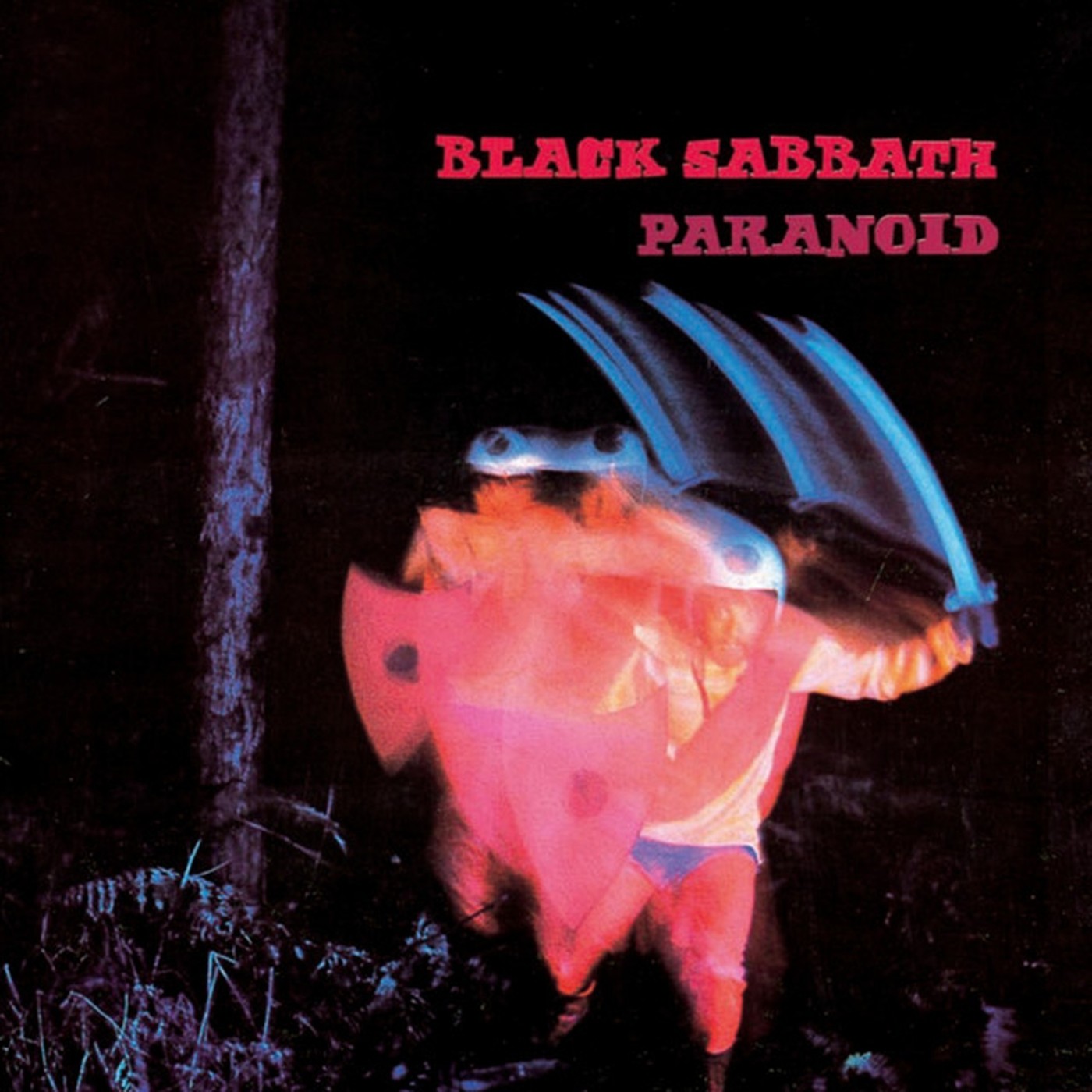
It's one million degrees. It's one million degrees. It's one million degrees. At least. Yeah. Bon Jovi did an album about that. They did. Yeah. One million degrees. In the shade. It is in the shade. How did you describe the studio? I was late coming over and you said... Stuffy. Stuffy. Yeah. That's the right word, isn't it? That's what the world feels like. The world feels stuffy. For those that are not in the United Kingdom, or Europe actually. Yeah. I think the whole of Europe is one million degrees. Yeah. My friends are in Spain. Yeah. They live in Spain. They live in Spain. And they keep talking about... I had a meeting this week and I was saying that it was 31 degrees. Yes. Something like that. Which is hot. Which is very hot. I don't want that. No one wants that. No. My friend Christina said it was 31 degrees overnight. So it must be nearly 40. It's mid 40s. Is it? During the day. Which is just... I just wouldn't bother. Which is... I don't know... Why? I want to go... I like it where I go in up a bit. So I think I'd be more Scandinavian temperatures. I think I'd like that. Ah. Or Iceland. I prefer cold to warm. I'm a cold, definitely. Yeah. I'm a cold person. I don't like... Yeah. No. Same. The thing is, it makes having a cup of tea hard work. Do you know what I mean? You do like a cup of tea. I do. It's not... Lady Grey. Empress Grey. Empress Grey. Yeah. Empress Grey is my favourite. If Marks and Spencer want us to sponsor the show, we could totally... We just... Let's talk. We'll do a little jingle and everything. It'd be brilliant. Do you know what we could... They should sponsor us, those little Peppa Pig sweets. Yeah. And Empress Grey too. Yeah. Percy Pig. Percy Pig and Empress Grey. Is it Percy Pig? Percy Pig. Peppa's copyrighted to Nickelodeon or something, isn't it? Oh. All right. Yeah. Okay. Well, we'll do that then. I'm down. We're down for that. Or something. Yes. I'm Chris. Yes, you are. You're Neil. I am. We are Riffology. We are. Our website is riffology.co. It is. It's wicked. All the Americans are getting on board, which is lovely. Everybody's... Yeah, we get... We're big on iHeartRadio. Yeah. Which is great. Yeah. If you're listening to this on iHeartRadio... Thank you very much. Yeah, thank you. You are very much part of our new listeners. Yeah. So thank you very much. And... Yeah, that's great. Yeah. We're doing Black Sabbath this week. We're doing Paranoid. Yeah, because we did Oasis last week. And Oasis are obviously doing their big thing in Manchester and all around the place. Yeah, they did that gig. That Oasis gig. Yeah. It feels like that's kind of got this... It's like lit a fire on the guitar bands. Totally. It's all getting a bit exciting and... All the kids will buy guitars now, which is great. Yeah. Yeah, yeah, well... Which is great for the world. Yeah. I think the more children that buy guitars... Yeah. ...the better the world will be. It is, yeah. That is very true. Yeah. Because they're too busy learning the guitar... Yeah. ...to go and, like, rob post offices. Is that the choice? Yeah. Where's the fork in the road? That's it. Guitar, rob post offices. Yeah, yeah. It's like... Have you seen these? One of my favourite movies is Lock, Stock and Two Smoking Battles. Yeah, yeah. It's cracking. in there where the two guys from up north are brought down to go and get these guns. They've got to go try and go and steal these guns. Yeah. And they're from Liverpool. Yeah. And they've got a really broad Liverpool accent. And the guy's going, I want you to go and, like, rob this stately home. Mm. And they go, what do we know about stately homes? We rob post offices. And I love it. And it's just like... They're the kind of inner monologues that happen in my brain. Yeah. Like, all day. Yeah, yeah. Just all day these things happen. And you're just like, oh, that's really... I should go and watch that. Yeah. Brilliant. So, as well as Oasis, there was that sort of, like, grand farewell to Aussie, which was, like, the most grand rock and metal event in history. It was, yeah. It was really interesting. It was incredible. I shall talk about it a little bit, because I watched it. I did the stream. Oh, did you do that? Yeah, yeah. I watched bits. I streamed it. Yeah. So... I watched Nuno Betancourt being dead good. He can do anything. He was incredible. Do you know the thing about Nuno? And they... It's got the best name. That's the first thing. It's got a good name, hasn't he? Yeah. Good looking bloke. Best name. Really good guitar player. The... We did a lovely interview with Joe Satriani and Steve Vai. Yes. And they were playing together. When you get... What? Yeah, they were... They were... They were... They were kind of playing... Surely that bent space time a little bit. A little bit, I think. But it's really interesting, because what they were both saying is that, like, playing each each of the stuff. Yeah. Even though they could... Obviously, they could play anything. Yeah, yeah. When they play each other's stuff, it's actually quite difficult. It's like... Because they've got their own style. Yeah. And they were saying that you can tell that it's not... Do you know what I mean? Yeah. Steve Vai playing Joe Satriani sounds like Steve Vai playing Joe Satriani, if that makes sense. Yeah, yeah, yeah. And they were both saying that, actually, one of the hardest things was learning to kind of that feel of the player. So it sounds okay. And one of the things that hit me with Nuno, particularly, listening to him playing stuff, he... He's like a... He can like... He's like a chameleon. He can play... Yeah, I was going to say, he's like a shapeshifter, isn't he? Yeah. Like, he... He could play riding the low stuff, and it would sound like you doing it. Yeah. He's got this incredible ability. It just looks effortless for him. Like, he's not... Like, he's having a great time. And you can see him, because the footage of the actual... I hope they release it on, like, a DVD or something. They must at some point. But it was... On DVD? Yeah, on DVD. Specifically. On VHS. No other format. Just specifically DVD. On VHS. I wanted to on, like, Laserdisc. Yeah. But it was brilliant. Betamax. It was absolutely brilliant. The footage was phenomenal. Sound quality was brilliant. The music production, the music director, guess who? Oh, I don't know. Tom Morello. Really? Which I didn't know until I was kind of... I was watching and reading about it. So he was like MD. Yeah, he was the man. Yeah. He was the man. They had this incredible rotating stage. Yes. So they had this, like, on the... I mean, I don't know whether you would... You probably wouldn't have seen this particularly well if you were there, but on the stream they had a camera that was pointing straight down at the stage. So he could pretty rotate. So, yeah. So as they... Like, as the band went off. So, like, Mastodon were on first. So Mastodon did one and then Anthrax came on. So I've got the list here. But so... So, yeah. Mastodon came on first. Oh, then Rival Sons came on and then Anthrax came on. So as the first band went off. Yeah. The... Like, the camera's pointing down and the stage literally rotates around. Yeah, yeah, yeah. And you're watching the kind of the stage crew. Yeah. Frantically try and clear stuff down. Yeah. As they're rotating around. Wow. Obviously the, you know, the band that are about to come on are pretty good. Yeah. But the ones that are coming off are kind of clearing down as the... Yeah, yeah, yeah, yeah. As the thing's rotating. But let me just read this through. This is kind of the... And it was a tribute to Black Sabbath. Yeah. And Ozzy Osbourne, right? But like, Mastodon came on first, then Rival Sons, then Anthrax, then Hailstorm. So like, both Anthrax and Hailstorm are big Black Sabbath fans. Sure, yeah, yeah, yeah. They do Black Sabbath stuff in there. I've seen both of those do Black Sabbath in their live show way before it was, you know, popular. Lamb of God, again, they've talked about, you know, Black Sabbath. They did a brilliant cover of Children of the Grave. Tom Morello's All Stars. Now get this. The ultimate sin was Nuno Bettencourt, Mike Borden from, off of Faith No More. Yeah. Dave Ellefson from Megadeth. Lizzy Hale. Jakey Lee was there. Yeah. Last time we talked about Jakey Lee. Yeah. In between you going all north and going Jakey. Jakey Lee. But he was stabbed, wasn't he? Or he was stabbed or shot, wasn't he? Really? Yeah. Just walking his dog and someone attacked him completely randomly. Not knowing he was Jakey Lee. No. Not knowing he was Jakey Lee. No. Yeah. So it was amazing to see him back. Yeah. Back on the stage. And Adam Wakeman. Shot in the dark was brought in David Draymond who got booed. Yeah. What was that about? He got booed because he was on the social medias. Yeah. Because you're not allowed to have an opinion on social media. No. So he was on social medias having an opinion signing warheads. Right. Saying something like bomb people. Oh gosh. That he didn't like very much. Yeah. Now he, obviously that's his opinion. Yeah. And if you've got an opinion, you stand by it. And, you know, the very nature of you having an opinion means people are not going to agree with you. Yes. Always. Not always going to agree with you. And the more extreme of your opinion, the more extremely they're not going to agree with you. So it was interesting. You could see he was a bit visibly shocked because he'd been on X, he'd been signing these warheads, you know, to go and be, literally to go and like kill people. Yeah. And then he was a bit shocked when he walked out on stage and got booed. Not everyone agreed with him. Wow. Not that I disagree with him. I don't, I don't feel authoritative in that area, but it was fascinating to me to see that run over into the metal community. Yeah. Pretty chilled, I would say. Yeah, yeah, yeah. You know, by their very nature, they're pretty chilled. Anyway. So he did that. So that was David Draymond, Ellefson again, Liam Wakeman. God, who else was it? Oh, Believer was Frank Bellow from Anthrax. Yeah. Yeah. Whitfield Crane. Sleep Token, the drummer from Sleep Token. Yeah, yeah, too. Came out, yeah, too. Yeah. Which is just incredible. Changes was Youngblood. Yeah. Yeah. I think he kind of pretty much stole the show, didn't he really? I think he did a great job. Yeah. He was, he was someone that, you know, you know, when you know that thing where we've, we've said before, where like, I think we, maybe when we were at Download one year and we said like, who were, who were the future headliners here? Yeah, yeah, yeah, yeah. And suddenly there's like Sleep Token. Yeah. Youngblood. Yeah. And, you know, even Hailstorm. All these guys are coming through. Yeah. That, you know, they could, they could power us. They could power with that. Lizzy Hale. Lizzy Hale crushed it. Yeah, yeah, yeah. She was phenomenal. She always is. She's like, she's incredible, I think, Lizzy Hale. But I think there's, yeah, I think, you know, we were saying, I don't know if we said this on air or off air, but there is a huge rock music resurgence coming off this. I believe. There's a wave. I think so. There's an absolute wave of it. Because you've got so young, I thought Youngblood did, I think he did a great job. He was, he was, reminded me of like the greats, like Freddie Mercury. Yeah, yeah, totally. He just absolutely was charismatic, stood his ground, did a great show. Yeah. I thought he was brilliant. And quite good friends with Ozzy, I think. Yes. Yeah, yeah, yeah. Well, Ozzy was in his video. Oh, was he? Ozzy's in his latest, one of his latest videos, because he's not long dropped an album, you see. And yeah, there's a lot of, there's a thing where I think, I think he, Ozzy bought him a gift, like a necklace or something that he wears like all the time. And then I think, at that day, he returned the, return that gift. Well, not return that gift, got him a gift back, a lovely one back. Yeah. Isn't that nice? Yeah, it's lovely. He's a lovely boy. Yeah. But that's the thing about Ozzy. He's a really lovely man. I think Ozzy, people forget what Ozzy... He's a lovely kind man. He's a lovely kind man. But he's, you listen to the lyrics. Well, we're going to talk about this album, Paranoid in a minute. But the lyrics running through it, you kind of like a lot about like Slayer's lyrics are very kind of, you know, hate the church and blah, blah, blah. Yeah. Yeah. They're not hating anybody. No, no, it's like hippie. Yeah, yeah. It's like hippie kind of like peace. But it's fascinating to me because this album, the Paranoid album is properly railing. It's a reaction against that hippie, nicey culture. Yeah, yeah, yeah. You know, they had tattoos and they dressed in black. Mm. In the 70s when you couldn't do that. Well, if you had a tattoo in the 1970s, you couldn't get a job. No, no. You know, it was brutal, that kind of stuff. No. But it's very anti-war. It's very anti-authoritarian. A lot of the lyrics are like, it's about mental health. It's about, you know. It's nuts, isn't it? And then, but I was really, I was really upset because I watched a video. Yeah. When doing the interviews, like going through those. And there's one, I didn't use it because I didn't think it fit, but I'll talk about it. And it really got me. Yeah. Because I've sort of seen this happen. And, you know, they're doing an interview with a full band. Yeah. And Ozzy's there and they're trying to talk about, you know, we're kind of like a blues band. We kind of jam. We're rock. We love rock music. You know, I'm not sure about what this heavy metal thing is. But it's nice. Well, you know, you call us that. But yeah. Yeah. We're like a, we're like a prog rock, but like heavy prog rock band. Yeah. That's what we like doing. And, and you could just see, you'd go, yeah, but you're all like devil worshipers, aren't you? If the interview was. Yeah. No, not really. So why are you called Black Sabbath then if you don't worship the devil? Yeah. It's like a, you know, you're anti-Christian and all that. And Ozzy's like, no, mate. Not anti anything. Not anti anything. No. No. And he couldn't get out of it because they'd just locked, like they'd cornered him. Locked into it. Yeah. And it was horrible to watch. You just think all of that stuff that was to do with, you know, devil worshiping, this really anti-Black Sabbath thing when they came out, you know, because they were, the reception was really frosty. Well, they were anti-establishment, weren't they? Establishment, weren't they? Yes. And that's, I think that's it. It's the, it's the establishment that turned on them. Yeah. And created this narrative that they were, you know, this kind of like force of evil. Turned out all right though, didn't it? I think so. I was going, I'm going to go through the list a little bit quicker now, but then, so we did, so that was Tom Morello's All Stars, right? Then Jack Black came out with Revel Ian, Scott Ianson, Roman Morello, Yoyoko Soma and Hugo Weiss, who did Mr. Crowley, but it's a bunch of kids. Yeah, yeah, yeah. It was absolutely epic. Alison Chains came out, or the surviving members of Alison Chains came out. Gojira came out. Yeah, yeah. I'll call that bit. There was a drum off with Travis Barker and Chad Smith and Kerry, which was just epic. The second Tom Morello's All Stars came out, Billy Corgan, KK Downing, Adam James, Tom Morello. Oh, they did Breaking the Law, didn't they? Yeah, they did Breaking the Law and Snowblind, they did Flying High Again, Nuno Bettencourt, Sammy Hagar came out. Sarzo Smith, Wakeman, I mean, it's just, the train kept to rolling was with Travis Barker, Nuno, Tom Morello, Sarzo, Steven Tyler, Andrew Watt, Ronnie Wood. It's just, then Pantera came out with Tom Morello, not Tom Morello, Jason Momoa, he jumped in the thing. Gojira was in the crowd, wasn't he? Yeah. Tool then played. Slayer came out and did like six tracks, which was just epic. Yeah, because they're down tools, hadn't they? Yeah, they come out every now and then. Yeah, yeah, yeah. I think they got called up for this and they did some stuff in London as well, so they were good. Fred Durst came out and did changes, pre-recorded. Guns N' Roses, I think they should probably stop. Well, Axl can't sing anymore. No, he's not got the thing, yeah. The thing that made Guns N' Roses brilliant was slash twiddling and Axl like properly crowing and doing his thing. Well, I think it didn't work very well. Like Steven Tyler can still do singing. In fact, almost everyone else up to this point, I thought were just smashing it. Guns N' Roses were disappointing. Right. That's what everyone's going to be throwing stuff at me at now. That's it. That's it. Never listen to your podcast again. I just think Axl should just go. Do you know what? Yeah. We've had a great run. Yeah. It's been brilliant. They should definitely give in before Motley Crue giving because Motley Crue are even worse. Which kind of breaks my heart a little bit. Yeah. Brilliant. You know what I mean? But they did some banging stuff. Then Metallica came out who were incredible. I mean, Metallica, they're always awesome live. And then Ozzy Osbourne, which I thought was really, really cool. So that had Tommy Clufetto's Mike Einers Wakeman and Zach Wilde. Zach was awesome. He had his kind of wiggly, that kind of spiral guitar thing. Spiral guitar thing. I just think that look is so iconic. Yes. Just the shape. Yeah, yeah, yeah. You know, like the Wild Hearts. You know, like the guitars that Ginger plays. Yeah. All this, like the stickers and stuff on there. Yes, yeah. There's some guitars are just iconic, aren't they? Yeah, yeah. And that is one of them. Well, I was always speaking about Manics of the Week and that White Les Paul. Yeah, yeah, yeah, yeah. Same sort of thing though, you know. You know. You don't need to have the sound on. No, yeah, yeah. You don't even need to be a video. You don't need to see a picture and you know that they're playing Mr. Crowley or whatever. Yeah, yeah, yeah. I just think that's epic. And then right at the end was Black Sabbath did War Pigs. They did War Pigs and I'd be Iron Man and Paranoid. Yeah, yeah. Which are all from this record. Yeah. So it was, it was back to the beginning. It was back to, because this was their debut, right? Yeah. This was their first thing. 1970. Go and have a look. I think this was 18th September, 1970. And again, all of our friends, especially our American friends will be going, "No, it wasn't!" It was the 7th of January in America. In the United States. It's a year later, 71. So yeah, keep your hair on. And it might not have been actually, because quite often I get the dates wrong. But it was different. It was, it was one of those records where this was a UK release. It's a UK band, band based in Birmingham, and nobody cared. No. This was not, this wasn't a, you know, appetite for destruction where the world's on standby. Yeah, yeah, yeah. And everybody's waiting for the world to... But it was because it was such a departure from everything else that was going on. It's interesting to, there was a lovely interview with, I think it was Geezer. Yeah. Who was talking about, they, they, like I said, we didn't want to offend anybody. That's just who we were. We, we didn't fit in. Yeah. And we didn't, like we didn't fit in, like we didn't really fit in with like our peers and what else was happening. Yeah. That was, but that was just who we were. And, but we wanted to be a great band. And that's kind of what drove us. We, we weren't trying to, you know, be outlandish or anything, but that's just, you know, that's just how society viewed us. Yes. Yeah. And it took a while, it took a while for it to kind of land and be, you know, people to realise what it was because there was, I don't know. I mean, people argue about whether like Black Sabbath invented heavy metal or not. And I think, you know, quite rightly, there were some Queen songs that were pretty heavy before that. And there was quite a few bands that did like the odd heavy songs. Yes. Yeah. Like a whole album that was, and it's not just about being heavy, it's dark. Yes. It's a dark sound. There is a dark to it. It's down tuned as well. It's kind of, it's drop. Is it drop D? The whole, the whole record pretty much. I'm not, I'm not sure. I know. I think quite a lot of it's in standard, but it might be that they down tuned half a step. That's quite common. That might, might be a thing. Yeah. Even if they didn't do that, what they had was very low kind of EQ, you know, on guitar case and that, that kind of Marshall rumble. Oh no, Laney, wasn't it? Was it Laney? Really? I'm pretty sure. I'm pretty sure. I don't know whether it was that early on, but certainly at some point Tony Iom was very, very established with Laney as a brand. It's got a, you know, like, like for me, Slipknot have got this horror movie. Yes. Like it makes, it makes me feel like I'm a bit scared watching a horror movie. Do you know what I mean? Yeah. It's got this kind of like, like nails on a chalkboard kind of thing. You know what I mean? It's got this kind of savage tone to it. Yes. Even when they're doing something that's not very dissonant, it's still got this like menacing feel to it. Right. This feels like a dark alley in Birmingham. Yeah. And it's, it's a bit, you know, you feel like you're about to get mugged. Yeah. Yeah. There's a bit of a menace to it, isn't there? Yeah. And, and for me, that's, that's what they invented here. They, it wasn't heavy metal. It wasn't, that's not what I think that they invented. They, they, they kind of like put an album out that had this, this dark tone to it, um, all the way through, you know, and there are bits now, Planet Caravan's pretty chilled. Yes. And none of it's fast. No. None of it's like, I mean, like stone cold crazy is probably quicker than, than any. Yeah. Yeah, exactly. And, and, but it's, this is like, you know. But this is like a, more of a stoner sound. It's like, it's like everything's. It is a bit, isn't it? Yeah. Everything's kind of bluesy and. Yeah. Stonery, you know, like, be like, if you, you know, it's like pre-stoner rock, isn't it? Yeah. The, but there was this idea that cause you had Judas P priest and, um, Black Sabbath, both from that kind of neck of the woods. Yeah. The, there was this kind of hot take that, you know, because, uh, Birmingham was a, an industrial city. Yeah. And there was a lot of it that was machines. Yeah. There was, there's this kind of idea of a hot take, which is the music that they created was the reflection of the kind of sounds of the city. Yeah. In the, in the, everything was mechanical. Yeah. Everything was kind of like industrial and that kind of industry, mechanical sounds translated over to the records because they were the sounds that they were hearing every day when they were at work and that sort of thing. I mean, Ozzy was at school in a younger year than me and I didn't really associate with him at school. And we were looking for a singer, Bill and myself, the drummer. And we went round the music shop and we saw this ad, Ozzy Zig requires gig. Bill, I know an Ozzy. I said, but he can't be. Sure enough. We went round to the address of the house and knocked the door and his mother came, John, it's for you. And I saw him walking up the hall and I said to Bill, forget it. You know, I said, we don't want to go there. I said, as far as I know, he can't sing. And then sort of a few days later, Ozzy came round to my house. So I didn't live that far away from him. He came round with Giza, the bass player, and looking for a drummer. And it turns out that I said, well, Bill was a drummer. Bill said, no, I'm sticking with you. And so we said, well, why don't we all get together and have a go? And that's what we did. So Tony Iommi had an accident, didn't he, with his fingers? Oh yeah. Which is why he has, if you ever see his fingers, his fret fingers. That's it, yeah. And there's like an artificial kind of, almost like a thimble on one finger and then the other ones come up more like a sort of prosthetic. There's an argument to say that that limitation meant that perhaps he had to do something with his guitar playing as a style. Slightly differently. But also perhaps with the sound of the guitar as well. Just for example, maybe turning the gain up to get a bit more sustain or something like that. Yeah. And then what you get from that as a result is this darker guitar sound. Yeah. Because there wasn't anyone, I don't think, that used distortion to this scale. On a bass. Yeah. Yeah, on a bass. Yeah, yeah, yeah. You certainly wouldn't have had distortion on a bass, would you? I mean, the punk crew were distorting guitars. Yeah. But I don't think, yeah, you weren't getting that kind of stuff out, were you? But yeah, it's an interesting album, I think, because it starts with War Pigs, isn't it? It's four of the most classic metal songs ever written on the start of one album. But starting with War Pigs, right, it's an interesting choice because it's seven, eight minutes, something like that. Something like that. The thing that gets me with it is it's an anti-war song. Yeah. And, you know, you would imagine it would be quite uplifting a little bit. It's kind of like, oh, yeah. Like a rebel song or something. Yeah. But it's not. It's kind of super dark and kind of, and it just sets you out. The kind of the tone that could bow, bow, bow. You know what I mean? It's got this lovely tone to it. But and then, yeah, it's like all these lyrics, as you go through it there, it's like it tells the story, doesn't it? It kind of pulls you in. Like we've talked about this before with with some some lyricists like can tell stories. Some lyricists write lyrics to match the song. Yeah. But some have this ability to just tell a story. And I think like Ozzy's able to do it like, but no, it's not every song. Some of them are just kind of, they feel like, especially a lot of his solo stuff feels like kind of pop. Yeah. Yeah. But they're, you know, they're. That was sort of a different era of time, wasn't it? It was. Yeah. Kind of in the head. Yeah. But these ones, I think we're telling the story a little bit. It felt like he had something to say. Yes. Yeah, there was definitely that. But, but also the guy could write a killer top line. Like, like you only have to hear war pigs once and you know that melody. Yeah. It's paranoid. You only have to hear paranoid once and you know that melody. Even if you don't quite know the lyrics all the way through, you can. You just know it. It's there. It's locked. And he had a gift. Yeah. Yeah. He had a gift for writing really, really earwormy top lines, which is quite a pop thing, really. It is. It's quite. The lyric. Yeah, yeah. The song, not the, the, I guess the, the, yeah, the vocals not necessarily matching the, the rhythm and the, you know, having, having like two, yeah, two melodies that, that really complement each other and having the vocal do one and having, you know, and, and again, that's really popular, reasonably popular now in kind of like heavy rock. Yes. Um, but yeah, it's, it's, it's very, and I think that's something that he did when he went to do his solo stuff. Yeah. That he took that to the next level from that, that, that, that kind of hook, the hooks in there. Yeah. It all became a lot less dark. It became, you know, poppy in places, you know, a lot of the, the solo stuff became like incredibly, um, yeah, just these massive fat pop hooks. Yeah. that line from Ozzy's melody. Yeah. The lyrics just were, were epic, but. Yeah. We also used to go through these stages on the, when we were doing the blues thing of being on stage and Ozzy'd stand right in front of me. And I'd be playing away and, and I'd be saying, and I'd maybe add it, go out of tune. I needed to tune up. And I used to say to Ozzy, my thing was organize a raffle, which meant talk to the people. And I'm holding me a cork tongue. Um, he, he learned as he, as he went on. And, and, and then when we started writing our own stuff. Well, the thing, the thing I will say about, about war pigs is, is one of the most fun songs in the world to play. Really? As a guitar player. Yeah. I have a good time with it as well. Because then even as a singer, because it's that, you know, there's not many songs like this, where you've got a couple of verses. Yeah. And a couple of riffs and then mainly instrumental. So the song is mainly instrumental. Yeah. And I used to play as like, it was like a kind of heavy rock covers band. And it was with, um, uh, Justin Chambers, Jack Cuthbert and, um, and Darren. Um, I can't remember Darren's surname now, but anyway, that, that was, it was a good, a nice little fun. Yeah. Fun band that we used to do. And, um, war pigs was like the song that we did. It was all like wild hearts and stuff. And Richard the third by super grass. Right. It's like, like big rock bangers, you know? And, um, the, the more pigs for me was the highlight of everything we ever did because it's just, you can just rock out with as a guitarist. It's so much fun. And also jet played all the hard bits. Yeah. So I really just had like fun playing it. You know, I heard. Um, I saw there was some, uh, lovely, uh, interviews and stuff with people over, uh, over the past week or two with, you know, talking about this kind of music. Um, and it's really crushing to hear, um, like young children, young people, uh, talk about it as dad rock. But it'd be granddad rock now, wouldn't it? It's like, what? And they're talking about, they were talking about Oasis being dad rock. Yeah. And they're asking him about black Sabbath is wrong. Oh yeah. That's great granddad rock. That's dad rock as well. No, he's not a dickhead. Um, but yeah, I mean, I mean, if we look at the album, so we start with war pigs. Yeah. That seven and a half minutes, then paranoid, which was written as a filler. Yeah. They didn't have enough track. So they just threw it together as two and a half. Oh, it's nearly three minutes. Planet caravan. Yeah. I think that's your favorite. Oh, it's pretty nice. We sail through endless skies Stars shine like ice, the black night's eyes, the moon, and the moon. In silver breeze, pours down in fields, light of the night, the earth, a purple blaze, a sapphire. And we sail through endless skies, the moon, and the moon, and the moon, and the moon, and the moon. And we sail through endless skies, the moon, and the moon, and the moon. We sail through endless skies, the moon, and the moon, and the moon, and the moon, and the moon. We sail through endless skies, the moon, and the moon, and the moon, and the moon. We sail through endless skies, the moon, and the moon. We sail through endless skies, the moon, and the moon, and the moon. We sail through endless skies, the moon, and the moon, and the moon. We sail through endless skies, the moon, and the moon, and the moon. We sail through endless skies, the moon, and the moon. We sail through endless skies, the moon, and the moon. We sail through endless skies, the moon, and the moon. We sail through endless skies, the moon. We sail through endless skies, the moon, and the moon. We sail through endless skies, the moon. We sail through endless skies, the moon. We sail through endless skies, the moon. We sail through endless skies, the moon. We sail through endless skies, the moon. We sail through these skies, the moon. We sail through endless skies, the moon. We sail through endless skies, the moon. We sail through endless skies, the moon. We sail through endless skies, the moon. We sail through endless skies, the moon. We sail through endless skies, the moon. We sail through endless skies, the moon. We sail through endless skies, the moon. We sail through endless skies, the moon. We sail through endless skies, the moon. We sail through endless skies, the moon. We sail through endless skies, the moon. We sail through endless skies, the moon. We sail through endless skies, the moon. We sail through endless skies, the moon. We sail through endless skies, the moon. We sail through endless skies, the moon. We sail through endless skies, the moon. We sail through endless skies, the moon. We sail through endless skies, the moon. We sail through endless skies, the moon. We sail through endless skies, the moon. We sail through endless skies, the moon. We sail through endless skies, the moon. We sail through endless skies, the moon. We sail through endless skies, the moon. We sail through endless skies, the moon. We sail through endless skies, the moon. We sail through endless skies, the moon. We sail through endless skies, the moon. We sail through endless skies, the moon. We sail through endless skies, the moon. We sail through endless skies, the moon. We sail through endless skies, the moon. We sail through endless skies, the moon. We sail through endless skies, the moon. We sail through endless skies, the moon. We sail through endless skies, the moon. We sail through endless skies, the moon. We sail through endless skies, the moon. We sail through endless skies, the moon. We sail through endless skies, the moon. We sail through endless skies, the moon. We sail through endless skies, the moon. We sail through endless skies, the moon. We sail through endless skies, the moon. We sail through endless skies, the moon. We sail through endless skies, the moon. We sail through endless skies, the moon. We sail through endless skies, the moon. We sail through endless skies, the moon. We sail through endless skies, the moon. We sail through endless skies, the moon. We sail through endless skies, the moon. We sail through endless skies, the moon. We sail through endless skies, the moon. We sail through endless skies. We sail through endless skies, the moon. We sail through endless skies, the moon. We sail through endless skies, the moon. We sail through endless skies, the moon. We sail through endless skies, the moon. We sail through endless skies, the moon. We sail through endless skies, the moon. We sail through endless skies, the moon. We sail through endless skies, the moon. We sail through endless skies, the moon. We sail through endless skies, the moon. We sail through endless skies, the moon. We sail through endless skies, the moon. We sail through endless skies, the moon. We sail through endless skies, the moon. We sail through endless skies, the moon. We sail through endless skies, the moon. We sail through endless skies, the moon. We sail through endless skies, the moon. We sail through endless skies, the moon. We sail through endless skies, the moon. We sail through endless skies, the moon. We sail through endless skies, the moon. We sail through endless skies, the moon. We sail through endless skies, the moon. We sail through endless skies, the moon. We sail through endless skies. We sail through endless skies, the moon. We sail through endless skies, the moon. We sail through endless skies, the moon. We sail through endless skies, the moon. We sail through endless skies, the moon. We sail through endless skies, the moon. We sail through endless skies, the moon. We sail through endless skies, the moon. We sail through endless skies, the moon. We sail through endless skies, the moon. We sail through endless skies, the moon. We sail through endless skies, the moon. We sail through endless skies, the moon. We sail through endless skies, the moon. We sail through endless skies, the moon. We sail through endless skies, the moon. So I just started playing this riff, and then we thought, well, it was so quiet. And Bill liked it and wouldn't like it. And so Bill just started joining in on the little congas he had. So I just play. And that was basically the main part of the song, and we just sort of played it through. We were all playing congas on an Aussie singing. We liked that. It was nice and relaxing. Good to get stoned too. So that's where it came in. We've got a guide vocal from Aussie, which is, again, pretty much the final melody, but totally different lyrics. The sky was clear that night, we were alone, and so much in love. We'd literally be jamming away, and he'd be jamming as well, singing along to everything. And I just, I mean, I don't think he gets enough credit for how, what a talent that he had, like, for just coming out with these, like, incredible vocal lines, just out of the air, you know. And it was almost always what he'd first come up with, that's what it would go with. The moon, like a big red bun, stood in the sky, and I wondered why. He was quite good at coming up with melodies, and I found, certainly with him, he was good at coming up with ballads as well. You know, a good melody for a ballad. And a lot of the times he'd come out with, like, one word, and I'd go, oh yeah, that's good, and write the rest of the song around it. Just came up with that in the studio, and it was really laid back, so I didn't want to come out with the usual love crap. So it was about floating through the universe with your loved one, instead of, let's go down to the pub and have some chips or whatever. And that's what it was about, just taking a spaceship out into the stars and having the ultimate romantic weekend. Tony, he used to love Django Reinhardt and Joe Pass, and he used to, you know, play that a lot, which didn't really fit him with the heavier stuff. But it gave him a chance to, you know, show that he could, what his roots were. We just went into like a little jazzy solo at the end. What ever it was. When he first left school, he had a job in a factory, and he's left-handed, so he cut the hands of his fingers off, and a metal-sharing machine. The manager of the factory came to see me, and he brought me an EP at that time, and he said, you know, play this. I went, oh, I don't want to listen to any, I don't want to, you're not interested. He said, no, just put it on and play it, and so I did. And it was Django Reinhardt, and I didn't know, I'd never heard of him at that point. And I thought this playing was great, and then this guy said, oh, he's, you know, he's had an accident in another form and lost two fingers. And it really got me going then. I really started off, oh, you know, somebody's done it, you know, somebody has done this and managed to work with it. Didn't Pantera cover that? Yeah, yeah, yeah. Was it Far Beyond Driven? Yeah, loads of, loads of heavy bands. No, Planet Caravan is beautiful, yeah. It is, but it's interesting, isn't it, the description of that. Like, everything else on here is Pretty Dark. Even Iron Man's Pretty Dark. It's got that kind of, wow, you know what I mean? Yeah. I mean, just the way, you know, the way that song begins, it's kind of got, it's quite menacing. It's quite, you know, it's quite a cool, dark track. I loved that on the Iron Man movies. Yes. When he's listening to Black Sabbath. I think that's epic. I don't know if I told you this, but, you know, I mentioned about the movie Gran Turismo on Netflix. Yes, yeah, yeah, yeah. One of the key characters in there is always listening to Black Sabbath. Okay, right, right, right, right, right, right. And I quite like that. Black Sabbath is quite cool. Yeah, yeah, yeah, yeah, yeah. Do you know what I mean? If you said, oh, I'm listening to Guns N' Roses, or I'm listening to Metallica, oh, that's not very cool. Black Sabbath is uber cool. Yeah. No one's going to say, oh, well, that's crap. Do you know what I mean? There's some bands you just can't criticise. Yeah. Like, I think Faith No More are one of them. You can't criticize Faith No More. Yeah, yeah, yeah. You can't, they're like anti-Nickelback, opposite of them. Yes. Like, you know what I mean? It's really hard to, I think Nickelback are great. Yeah. But you can't, like, immediately your street cred goes down a bit when people look at you and go, oh, you know, you like that, do you? Yeah. Black Sabbath, everyone likes it. Yeah, yeah. Wear a Black Sabbath t-shirt. Yeah, yeah, that's it. Everyone's like, oh, you're pretty cool. But was there a bit of time where it wasn't? It wasn't, because there's a bit of that as well, isn't there, sometimes? Probably. Where things sort of aren't cool for a bit. And then, like, Oasis were not cool for quite a while. You said this, yeah. You weren't, like, even at weddings and that you couldn't have played Wonderball. No, no, it's just not, it's not appropriate. But you can now. Yeah, people love it. Yeah, yeah. People kind of love to give it pleasure anyway, but it kind of wasn't a cool thing to play. But now, you know, everyone's kind of, you know, back on the wagons. 30 years. Yeah. Is that how long it takes? I think it must be. Yeah. I think it must be. 30 years, bangers. Yeah. And then, yeah, and then the kids will go off again. But then it goes into Electric Funeral. So after Iron Man, which was a single. Yeah. Because the Paranoid was a single. Iron Man was a single. And then... They're standards, aren't they? Yeah. Hand of Doom was seven. Yeah. That doesn't feel like seven minutes. No. Ratsal is two and a half. And then Fairies Wear Boots is six minutes as well. Yeah. You see, and the ones that I like the best on the record. Yeah. Are the jammy ones. Yeah. It does feel jammy, doesn't it? It's really bluesy. There's like, you know, for me, this is like really dark, heavy blues. But 1970. Yeah. It's like, it's hard to get over the fact. This was kind of full on hippie. Yeah. Territory psychedelia. Yeah. Black and white TV. Yeah. You know, it's a long time ago. Yeah. And this other stuff. I have to look in my thing. But there are, I mean, there are bits of that in this. The drumming. Yeah. Like the drumming is absolutely, it's almost jazzy in places. Yeah, yeah, yeah, yeah. It's super cool. I think the drumming is on this album. There are definitely aspects of that prog thing. I don't know what to call it prog. So I want to say blues and prog. It puts it in like a box. And because, because this is its own beast, isn't it? Um, you know, there's probably people, as you say, throwing things at the, uh, I imagine they do. I like to think that nobody would and no one would ever. Oh yeah, whatever. It's good. You're entitled to your opinion. It's all right. I can see you connecting dots. Yeah. Yeah. There are other albums that came out in the same year. So Led Zeppelin three. Yeah. Uh, deep purple did in rock. They're all heavy. Benefit by Jethro Tull. Uh, um, that's a bit of focus on it. But yeah, that, but that was what was popular, isn't it? This kind of almost like psychedelia. It's this kind of, you can imagine the top of the pops background with the jaggedy lines and spinning around and the, and the, the crappy like zooming in and out to make it look a little bit, you know what I mean? Yeah. Yeah. Yeah. Trippy is the right word. That's kind of what it was about. This was flower power. It was, you know what I mean? And then he turned up with Iron Man. Yeah. It's like the, it's interesting. I heard somebody, uh, uh, talking as a, uh, an idiot on X talking about how black Sabbath didn't actually invent anything. It's not really very heavy and it's rubbish. And you know, like, you know, slipknot are 10 times heavier. Why are they, you know? And you just think it's about a function of time. Yeah. It was, you know, this was, this was, uh, you know, an era where this stuff didn't, you didn't do this. No, no, no, no. Do you know what I mean? It was, you know, you ended, this was like, I mean, Rolling Stones were quite heavy. They were kind of in the, in the press. They would have been, you know, the big rock bands and you, you know, I don't know, you had prog, I guess, to a degree, but you didn't have this kind of... But prog was maths, wasn't it? Prog was mathematical. Prog was like huge kind of movements of music, like almost classical. Yeah. I always think about, you know, but it's almost trippy, isn't it? Yeah. But like in, not in a kind of jazz, less jazzy. Yeah. But it, but it was, I don't know. Very high, almost like high art. Very kind of like, you know, kind of like, uh, scripted, crafted, whatever you want to call it. You did. Whereas this was jams. It was really jammy. It was, you know, the, the, you can tell it's like, you probably wouldn't get the same take twice. They might not even play the song in the same structure twice. Yeah. That's, that's interesting. Do you know what? That came out to me a little bit when we did, um, definitely maybe last week, the fact that the drummer couldn't play the same, couldn't play the same song twice. So, so they wrote a new one. Yeah. So it was all a little bit, a little bit mad, but, um, uh, yeah, it's, it's also worth talking about those, the first four records that we had, we had Paranoid, Black Sabbath, um, Master of Reality and Volume Four. Yeah. Yeah. I, they're kind of some of my favorite records. Yeah. And to, to do, to kind of do that, it's really rare. Yeah. You get like, often for me, the debut, and we've talked about this in the past. I love, typically prefer the debut. Yeah. Of most bands. I think you, because you've got that. You're in line in, aren't you? Yeah. It's. For anyone's on time to think about it. Yeah. It's because they're kind of teenagers are in their twenties and they've been writing and building this stuff based on all of their experiences. And it's all kind of a bit raw and they want to get it out. And it just, do you know what I mean? It just comes out. Yeah. And then the second record's a little bit more refined and the third's a bit more refined and you know what I mean? And it all gets a little bit more refined and a bit grown up and a bit more, you know, Yeah. Yeah. Yeah. Yeah. Yeah. Yeah. Yeah. Yeah. I guess I really, really like typically in those kind of first albums, but you don't get that here. Yeah. I think the songs get better. Yeah. And I think the production gets better and it kind of gets a bit steadily kind of heavier and darker. And, but yeah, but these, those first four, I, I find it really difficult to choose between. Like when we were talking about doing this, I was like, Oh, there's no, I don't think I can choose between those, those four records. No. Um, well we had to do a, we had to do a key toss, didn't we? We did the, the standard issue riffology key toss where we toss the studio keys. I just want to try something while we're here. Oh God. I'm going to try and toss the keys again. Yeah. But if they, if it lands cause it's landed. It's always like, it always sounds the same way up. Yeah. So I need to understand whether that's a problem. Word up. Yeah. We can't use the keys. Ready? Oh no. No. Words down. Words down. Ah. Well, there you go. That's, that's got rid of that then. Yeah. Which is great. So if we do, if we do a coin toss today, we've already decided it's words down. This is just awesome podcasting. While we're doing, while we're doing a crappy podcasting, I've got something to show you. Oh, he's gone. No. Oh, there you go. Uh, I'm, I'm, I'm passing my phone over to Chris. Uh, and, uh, Chris is going to describe what he's seeing. A bootleg vinyl for the pumpkins. From our, our friend Kendall. Oh, is it? It's Kendall. Oh yeah. It's Kendall Lacey. He said that there, he said, you'll like that. It'll be like vinyl and we like the smashing pumpkins. And that's something he picked. Two Barry tracks even featured in Man Himself. Oh gosh. Yeah. It's got, um, all the young dudes on it. It's very cool, isn't it? Oh, that's wicked. That is. Live cover versions. Cause it's like the worst podcasting ever. Might have to post a picture of it to explain. I do like, there's a version that Billy Corgan does on the Pisces Iscariot. Um. Billy Pumpkin. Billy Pumpkin. On the Pisces Iscariot, um, record. And it's a cover of Landslide by Fleetwood Mac. Oh, right. It's so good. It's so, so good. Yeah. They don't. Yeah. They're good at that kind of stuff. I think. Very good. Yeah. Should we get back to this one? Slight detail. Yeah, we can. I, we often do. when I talk about facts and stuff, we often talk about influences of bands. Yeah. Um, and I, you can't, like, it's impossible to overestimate the influence that Black Sabbath has had, right? Without Black Sabbath, you, you don't get, like, thrash never would have happened. A new wave of British heavy metal, Iron Maiden, maybe. But, you know, I mean, these bands were all empowered by the stuff that came out of Black Sabbath. It was kind of Black Sabbath were like, oh, yeah, that's cool. We like that. And then it just. Yeah. It's like they smashed the doors off it. It's like the branches of this tree. Yeah. You know, like where Black Sabbath are the trunk and then all of this stuff just kind of appears. It's almost like they gave people permission to explore these heavier tones. Yeah. Yeah, yeah, yeah, yeah. These musical themes, these long jams. Yeah. And then over time, that thing. I think the interesting is to look at it in a sense of, like, almost genealogy. You know, there's this sort of, this idea of that was the seed or the trunk of the brand. I mean. And then this thing all just kind of came up from that. I read Shane Embry's book from Napalm Death. Yeah. And he talks about Black Sabbath and that being like just the biggest influence. Yeah, yeah, yeah. Ever. Let's talk about Billy Corgan. Same. Yeah. Well, Billy Corgan. A lot of people don't know, but Billy Corgan hung around with Napalm Death. Right, yeah, yeah, yeah. Massively. So he was a big fan of that kind of darker, which I just think is bonkers. Yeah, yeah, yeah. And there was a thing about, I think, it may have been that Tony Iommi played on a Billy Corgan record or something. Oh, the other way around, actually. Oh, yeah. Sorry, Tony Iommi did an album. Yeah. And Billy sang on one or two songs or something like that. And when we say Billy Pumpkin, it's because Chris's daughter used to call, he couldn't, he just called him Billy Pumpkin. Just Billy Pumpkin, that's it. That's his name. I just love that. The kids are brilliant, aren't they? Yeah, yeah. Absolutely brilliant. That's the way forward. So he's Billy Pumpkin from now on out. Shall we do some facts? Let's do some facts. I've not got that many facts on this one, so I'll go through. So released on 18th September 1970 in the UK, 7th of January 1971 in the United States. 41 minutes, 51 long, eight tracks. Eight tracks? It's been remastered. Yeah. And it's been mucked around with, I think quite subtly. Yeah. I don't hate it. Yeah. It doesn't sound like I've got, I don't have an original pressing of Paranoid, but I've got an early pressing of Paranoid before one of them. I bet you will. They're so expensive. They get ridiculous money. You need to sell kidneys to get one of the originals. The remasters don't sound that different to me. To me, they don't sound that different. So I'm not offended by them, which is great. Produced by Roger Bain at Island Studios, Regent Sound and Island Studios in London. Yeah. Which is really good. It reached number 12 on the US billboard. Yeah. That's huge, isn't it? Eventually. Yeah, for a heavy band. That's huge for a UK heavy band coming out of nowhere. Yeah. Yeah. It landed to kind of deaf ears a little bit. Initially, yeah. It took a while to build, I think. Yeah, yeah. And then there's a lovely bit here where it's like the, during the 60s, it's kind of flower power and hippies and all of that stuff. In the 70s, all got a bit darker. And like Black Sabbath, and we've talked about this before, you know, they created this darker music and the tone of society got darker. So it was fashionable to be a little bit darker. I think music is often holding a mirror up to society, isn't it? It is a little, yeah. I think when we talked about this, that is that the, you know, this resurgence of Oasis and the Black Sabbath gigs that are the weekend causing a resurgence in guitar music. And there's going to be so many kids that pick up guitars off the back of that Oasis concert and the Black Sabbath gig. And then, you know, in five, 10 years time, uh, standing on stages. There's the wave coming through. Yeah, exactly. And, and, and they were, um, you know, uh, empowered to do it. Um, the, um, the band were signed to Vertigo who gave them the budget to do it. And I still think that's really interesting that, uh, a record, somebody at a record label was confident enough to, you know. Take that gamble. To dish cash out to, uh, to, uh, yeah, to, to a band. Um, the album's title was originally intended to be War Pigs. Yes. Um, and until they wrote Paranoid. It was changed over concerns and backlash about the Vietnam War. Mm-hmm. They were concerned that this kind of anti-war. Yeah. Record wouldn't land well in the US. Okay. Yeah, yeah, yeah, yeah. Um, so they, uh, they, yeah, they changed it. Um, so the cover art designed by Keith McMillan features a model dressed as a pig with a sword. Mm-hmm. Um, even though the title changed. Yes. Yeah. So that's exciting, obviously. Um, band members, Ozzy Osbourne, lead vocals, um, Tony Iommi, guitar, who did the flute on Planet Caravan as well. I've told you the Tommy Lommi story, haven't I? Tommy Lommi? I've not told you the story of this. No, you haven't. You've got to tell me the Tommy Lommi story. This is so good. Is it? It's so good. I was looking at the, um, there's something I was looking at and I think it might be a social media thing. Yeah. And Tony Iommi comes up and it's like got his signature on it. Mm-hmm. Um, and it, what it looked like. Yeah. Where it was Tommy Lommi. Tommy Lommi. Yeah, yeah. Because it's like obviously cursive or whatever. Yeah, yeah, yeah. And, um, and my, my other half goes, who's Tommy Lommi? And I lost it. Oh, I lost it for a good hour. That's brilliant. Tommy Lommi. Is that was it? For as long as you did when you put a picture of Shredder on the Shredder. That's great. That kept me going for weeks. I did. You, you, you, you, my, my youngest Barnaby labels things. And when he labeled the labeling machine, he was just beside himself. It was like the, it's just like he'd won at life. He's like, no, that's it. Life can be over now. I've labeled a labeling machine with a dime out. And I showed everybody. You did. You did. I remember. Everybody that came in. He had Shredder. He had Shredder on it. Oh, God. Um, yes. So, Giza Butler, bass guitar. Yeah. And then Bill Ward, um, drums. And the congas on Planet Caravan. Yeah. That's what they are. Yeah. Um, it was recorded. So, I, I, I don't know how true this is, but the recording sessions for Paranoid took place from the 16th to the 18th of June. Oh my God. A Regent and Island Studios in London. Two days. Bang. Under the producer, Roger Bain, um, who'd collaborated with them like previously as well. He, he wasn't new to the band. Um, yeah, it's really interesting the way they, uh, I guess chose to do that. And also that it survived, their tone survived a recording studio. We've talked about this before where producers often destroy, but I mean, the producer destroyed the Oasis definitely maybe sound because they want to get it. And we've talked about, uh, Caius as well. Yeah. Yeah. Where they made his studio. Yeah. Yeah. You've got to, you've got to be, you've got to be in tune guys and you've got to sort all this stuff out. And then, um, I think it would have been easy to destroy the black Sabbath sound. So yeah. Um, yeah, I think it's really, really cool. Um, the track paranoid was conceived as a filler song. It was written and recorded in a few hours. Um, but it's become one of the biggest tracks, uh, biggest tracks ever. It was recorded cause they didn't have it. I can't remember whether it was the length or the number of tracks, but they, they were, they hadn't met the contract with the record company. Yeah. So they had to go and do, uh, they had to go and do that. Um, yeah, it was the single paranoid that did really well. Yeah. And that kind of, it was when that. Which is interesting cause it was the filler song. I always think that that was the song that really broke them through. Wasn't it? Yeah. Yeah. It was the, it was the, it was the like, we haven't got enough songs. We need another one. Quick, quick, right. write one. All day long I think of things but nothing seems to satisfy. Think I'll lose my mind if I don't find something to justify. Can you help me? Are you from my brain? Oh yeah. I need someone to show me the things in life that I can't find. I can't see the things that make true happiness. I'm a big blind. I can't see the things in life. I can't see the things in life. I can't see the things in life. I can't see the things in life. I can't see the things in life. I can't see the things in life. I can't see the things in life. Make a joke and I will sigh and you will laugh and I will cry. Happiness again I feel like love to me it's so unreal. And so as you hear these words telling you now I won't mind state. I tell you to enjoy life. I can't see the things in life. I can't see the things in life. I can't see the things in life. I can't see the things in life. I can't see the things in life. I can't see the things in life. I can't see the things in life. I can't see the things in life. I can't see the things in life. I can't see the things in life. I can't see the things in life. I can't see the things in life. I can't see the things in life. I can't see the things in life. I can't see the things in life. I can't see the things in life. I can't see the things in life. I can't see the things in life. I can't see the things in life. I can't see the things in life. 35 minutes. The others had gone out to have something to eat. I came up with this riff. So when they got back, I played them this idea of "Paranhide". It's basic. It's not technical by any means. What I've always done is not try and play anything that flash. Play things that I think is right to the sun. Well, we talked about "Oasis" last week and "Super Sonic". Yes, same deal, wasn't it? Yeah, the drummer couldn't play. I forget. The drummer was really struggling. Yeah, it was a response to a problem. And then so they wrote "Super Sonic", which has got that really simple bass, simple beat to it. So the title track "Paranoid" peaked at number four in the UK singles chart. It took a little while, but they did. It peaked pretty well. The Rolling Stone ranked it number one on the list of 100 greatest metal albums of all times, which is interesting. Initial reviews were mixed from virtually everybody. Looking back, everyone pretends that it was the best thing ever. Yeah, but it was totally unanimous. Yeah. Yeah. It's really interesting. Now, if you look at what anybody wrote about it, it's difficult to find. You have to go and look. There's a bunch of, like, online archives of magazines. Yeah. You go and look at the reviews in there. Yeah. They're far less positive than the actual published ones, which I think is really interesting. Sales data. So this one, "Paranoid" sold 9.9 million. Yeah. "Black Sabbath" sold 4.9, "Master of Reality" 4.8, "Volume 4" 4.1, and "Bloody Sabbath" 4 million. But $10 million for this album, I think, is, I don't know, it's a big old beast of an album, isn't it? Yeah, yeah, yeah. That's, you know, it's a lot of people, I think, buying that, which is excellent. It's still very difficult to get hold of original pressings of these, a lot of these things. Where did I get to down here? I've lost. Oh, yeah. Okay, so, yeah, so the singles that came through, right, so "Iron Man", "War Pigs", "Fair is Wear Boots", "War Pigs" is a critique of warmongering politicians and exploiting the poor in warfare. And that's very apt at the moment, isn't it, as all of our powerful politicians tell us that we've got to spend more money on warring and bombs and all of that kind of stuff. And it's interesting that this is, like, 56, 55 years ago. Yeah. Yeah. You know, not much as, I suppose we've had a long period of reasonable peace, haven't we? So we should be grateful for that. "Fair is Wear Boots" was inspired by a confrontation with skinheads, apparently, which I think is quite interesting. So touring and promotion, they went out and they did tons of European and U.S. things. I think they toured with Led Zeppelin and Deep Purple. Yeah. They did this massive show at the Olympia in Paris, which was, like, kind of right at the end of 1970, I think, which is, like, pretty mega. Huge bands that talk about Black Sabbath as being the reason for them, like Lars Ulrich of Metallica talks about that. Yeah. You know, you had Carrie King from Slayer, Iron Maiden. Yeah, of course. It was kind of built on this, which was phenomenal. But 1970, the Beatles released "Let It Be". Yeah. I mean, how radically different does something have to be? Vietnam War was through the headlines, they were heading to them wanting to, you know. But equally, the Beatles were a huge influence on Ozzy. Oh, God, yeah. Yeah. The Beatles. A lot of these metal bands were like, I said, oh, God, what was his name, the drummer from Anthrax talks about the Beatles being a huge influence. And he said almost having to hide it because it wasn't a cool thing to, you know, as a metal kid, it wasn't a cool thing to talk about. You know, and he's like, I don't care anymore. No. But that's the reality. He said that, you know, I kind of, that was a huge influence on metal and Black Sabbath and all that stuff was a big influence. But, you know, I love those kind of pop songs from the Beatles as well. Yeah, yeah, yeah. Yeah. Yeah. Oh, covered. I was going to say the five things about from the blog we've already covered. Media and television. It was in, it was in the Angry Birds movie, so Paranoid. Yeah. Um, the, the, the, the track Paranoid. It was in Dogtown and Zed Boys. Okay. I remember that film, yeah. Dark Shadows, Almost Famous. The Angry Birds movie in 2016. Uh, and Suicide Squad in 2016. Um, I've seen some of those. I've, I don't remember it being in Almost Famous. No. It was quite cool. Um, yeah, very, very cool. And then, you know, is there an interesting band from a, um, you know, a lot of them, when we look at what came next, it's usually a, oh, you know, the, the, the albums that came after weren't quite as good. Yeah, yeah, yeah. Do you know what I mean? Yeah. But I think for Black Sabbath, it was just this kind of steady. Yeah, yeah, yeah. Um, and every single album had one or two standards on. Yeah. Except this one had many more. This one had four or five, didn't it? But yeah, the, that, those, those, that, yeah, there's always a handful, isn't there? Of, uh, standard, of, of metal standards across the Black Sabbath albums. Yeah, we did. And that's it for facts. Cool. No more facts are more facted out. Very good. If you want more facts, look on Wikipedia. Well, I reckon we should play Iron Man. I am Iron Man. I love that bit in Iron Man. Yeah, in the film. I just love that. Do you know, um, I, there was a, there was a lovely period of a while, weren't there, where everyone was saying that Elon Musk is the real, the real Iron Man. Yeah. The real kind of Tony Stark. Yes. And I love the fact that the franchise never really. They didn't get it on it. Yeah, they didn't really get it. And I bet they're like going, yeah, nailed it. But I love Iron Man. Barney likes Iron Man as well. There's just something super cool about those. Yeah. I liked it. Yeah. I thought it was fun. Yeah. Um, yeah, good. Uh, one of the interviews that we had, let's see if this sees the light of day. Yeah. But one of the interviews that Dan and I did over the weekend, um, one of the questions was about like, if you could be a superhero, which one of you would you be? Oh. Oh, and I would have said Batman. Yeah. But Dan answered first and he said Batman. So you said, so I said Iron Man. Oh. Yeah. Cause Batman, like not, neither of them have got real superpowers. No, they're not, have they? But they use like the tools and like Batman's very, you know, he's got his tools, got his texture. Yeah. His car and everything. Whereas, whereas Iron Man's more like toys. Yeah. And I'm definitely the toy one. Like I love lots of toys. I'm sure, yeah, yeah. You definitely are. Yeah. I don't know who I would pick. No. Superheroes. Spider-Man maybe. Yeah, yeah, yeah. Oh, I'll tell you what it would be. Yeah. The, um, the wizards. You know the, you know the wizards in, in Marvel. Yeah. And they do all the whizzy thing with their hands. Oh, yeah, yeah, yeah, yeah. Doctor Strange. Yeah. Doctor Strange. I'd do that. Yeah, yeah, yeah. I'd do that. They're good. I like that. I know that I can see that. Yeah, that's good that is. I love that. Cause they do, I like the whizzy bit where they do that thing and they go and they whizzy and they make a hole. Yeah. I like that. It's like a wormhole through time and space, isn't it? Yeah. Yeah. I love that. And then there's that, there's that brilliant line in Marvel where he says, don't embarrass us in front of the wizards. It has to be one of the best lines in any movie. It's just so good. That's Spider-Man, isn't it? That's, um, Peter. Yeah. Yeah. That's, that's, yeah. That's Iron Man, Spider-Man. Yeah. And he's like, I got lost track. That is so many. And then he, and then he's like, um, yeah. And he looks at him, he's really dry and he just goes, don't embarrass me in front of the wizards. I like that a lot. Right. We'll play it and then we'll see what happens next week. I am Iron Man. I am Iron Man. I am Iron Man. Has he lost his mind? Has he lost his mind? Can he see or is he blind? Can he walk at all? Or if he moves, will he fall? Is he live or dead? We'll just pass him there. Why should we even care? guitar solo He was turned to steel In the great magnetic field When he traveled tight For the future of mankind Nobody wants him He just stares at the world Planning his vengeance That he will soon have fallen Now the time is here For a man to spread fear Vengeance from the grave Kill the people he once saved Nobody wants him They just turn their heads Nobody helps him Now he has his revenge guitar solo guitar solo Heavy boots of lead Feels his victims full of fear Running as fast as they can Iron Man lives again guitar solo guitar solo guitar solo Where are we going next then? What are we doing next? Oh, that's a big question! Because we had a big, long discussion about it last week and I can't remember what we said Nummy! I don't know Are we going back over to the States yet? Or was there something else to do first? I've been listening to some really heavy stuff lately And I would love to do it So There are two bands I would love to cover a little bit Just before we went back Just kind of finish off, just to finish off, because we've been quite hard rocky and quite mainstream friendly. I would love to do I would love to do Heartwork from Carcass Okay, yeah, yeah, yeah, yeah And I would also love to do Harmony Corruption from Napalm Death Yeah, yeah, yeah Both bands were kind of in and around the Birmingham area Both bands kind of, you were, you know, very heavily influenced by Black Sabbath Yeah And then we could do those That will turn everybody off They're both like quite niche bands But, like Heartwork, I mean Heartwork is just It's an album that It's just extraordinary I mean, that album is just I mean, otherworldly Yeah, yeah And then I, I don't know I think lots of people just completely turn off to Napalm Death They just think it's a joke band And they're just, I don't care But they're incredible They're just, they're very Very Black Sabbath-y Yeah Very kind of Like kind of industrial and dark Yeah, yeah But we could do Should we do, let's do one of Should we toss the keys? No Do both, do all of them Do both And then Because that's two weeks, isn't it? It's only two weeks I would like to do them Yeah And then I think we go to the United States of America Freedomland Yeah And we pick a massive Yeah Hard rock album Yeah That's just enormous You know, one of those kind of Pantera-y Yeah Risk Yeah I don't know What else was massive All that stuff Load and reload Yeah, yeah, yeah Do you know what I mean? Yeah I'd love to kind of go back and do Because they get derived A lot of those albums get like Oh, they're not good They're not fresh Not this, not that I think they'd be really cool to go and do Yeah Some of those Yes And then just meander around In America And see what we can find Because No one does that big, thick No Like hard rock No, no, no Like America Just no one does it in the same In the same way So that would be quite good fun, I think Because there's still a bunch of stuff we've not covered from the US I'd love to Like the tail end of the year, maybe Yeah I'd love to kind of go and do like a proper death metal Yes Scott Burns Kind of proper dive into all of the albums that he produced And kind of, that would be really cool to do, I think Yeah, yeah, yeah But again, I don't think anyone would listen I would listen, I think it's epic So what order are we going to do it then? I don't know We're going to do Heartworks, then Napalm Death Yeah, let's do Heartwork next Yeah Because that's just phenomenal Yeah And then we'll do, we'll pick a Napalm Death album Probably Harmony Corruption Something like that Yeah, yeah, yeah Something from that time I like the bit where they turned from Yeah Kind of grindcore into like a death metal band Yeah, yeah And they were quite, I really liked them Then a lot of people got turned off And I thought they were really cool And then, yeah Then I think we go and do like Load Yeah Do you know what I mean? Or Reload Or something that was up there at that point I'm trying to think he was doing like I'm trying to think he was doing really, really big Big stuff at that point Like Megadeth had some massive Yeah, yeah They had some like, they did Risk And so they had massive albums around that time God, yeah And it was something like that, I think Yeah, yeah, yeah You know what I mean? Something that's kind of proper radio-friendly Big and thick And then we'll We'll settle back into America Yeah, yeah And pick something else Do we do a, do we do a Maiden one on the way over? Oh, well we did Number of the Beast, didn't we? We did do Number of the Beast, sorry We did Number of the Beast Number of the Beast We've done that My, what's your favourite Iron Maiden album? What's the one with Run to the Hills on it? Is that that one? Yeah Yeah, that's the one for me For me, it's Seventh Son of a Seventh Son I think that is the greatest Iron Maiden album ever That's the classic line-up, I think It's Adrian Smith doing more writing I just love that record It's been downhill, I think it's been downhill since then Yeah, yeah I just love it I just think it's such a Almost like a The tracks on there's like a perfect Yeah, yeah Record, I think Really, really cool Yeah, I don't know We've got to do some more Pumpkins Yeah We've got to do some Goo Goo Dolls Yes, yeah I'd love to go and do Not new Goo Goo Dolls No, no Because that's a bit Yeah, that's Superstar Car Wash That sort of thing I don't like the new Goo Goo Dolls that much I say I don't like the new Goo Goo Dolls that much I do But not as I love Yeah, I love that first five albums I love them to pieces They're a bit like, you know, we talked about on the Oasis show Yeah Where, like for me, definitely maybe And then what's the story is like I like it about 50% Yeah, yeah Less And then And then I like Be Here Now about 50% less than that Yeah, yeah Do you know what I mean? There's a big gap for me between the debut and that Yeah, yeah, yeah And it's the same with the Goo Goo Dolls Okay The first five I love them more Superstar Car Wash is one of the best albums I think ever Yeah And then And then It all gets Like after Dizzy Up The Girl Yes, yeah, yeah It's that 50% thing for me Yeah, it's just like Each album that comes after I like a little bit less Yeah Well, a little bit less interested A little bit less interested than that But I still listen to the first five Yeah Goo Goo Dolls records That's interesting what you identify with, isn't it? And what you connect with It is with Because those ones after that might be someone else's favourite record ever Oh, they probably will be, yeah Like Counting Crows are similar for me as well Yeah, yeah, yeah Like, you know, Recovering the Satellites Yeah And all of that stuff was Like Recovering the Satellites is a work of art The first few albums I think are just absolutely phenomenal And then I like I still like new Counting Crows Yes But I don't What's the word for? Like, they'll release a new album And I'll go and listen to it And I will really enjoy it Yeah, yeah But then when But you won't have that same connection to it Yeah As you had with the one that you built the relationship with When I'm in the mood to listen to Counting Crows Yeah I'll go and put hard candy on Or I'll go and put in You know what I mean? And it's the same with the Goo Goo Dolls If I'm feeling like the Goo Goo Dolls I'll go and grab You know Like a Boy Named Goo Yeah, yeah, yeah Or Superstar Car Wash or something So, yeah, it's weird, I think But I'd love to go and do some more of that stuff We've got a lot of space to cover that I'm a bit worried about covering Goo Goo Dolls Because like I say Superstar Car Wash is That's up there for me It's one of the best I think it's one of the best records Like ever Yeah And you know, you're a little bit I'm a bit What if we screw it up? Yeah Yeah, yeah, yeah Do you know what I mean? That'll be one that I want us to do The best job of ever Yeah And I'm not So I'll be like Oh no, we'll do it Do it another time Yeah It's a bit like Because we've got to do more I think we've got to do some more Smashing Pumpkins Yeah, yeah I wonder if Let's So let's do Let's do heart work Let's do A Napalm Death Vaughan Yeah And then what I think we do Is well Why don't we come back And look at the Black Sabbath Yeah Back to the beginning gig Yeah, yeah We'll look at all Oh, find some artists Yeah, great And then let's go and pick Yeah Some stuff Because Hailstone Hailstone might be too new Hailstone would be too new I think It wouldn't fit our rules 25 years, wouldn't it? And I wonder if like Lamb of God Are not there too new That's a good idea though Let's look through it Faith and War are on there Yeah, let's look through it But we did a couple of Faith and War's, didn't we? Anthrax are on there Okay They did Yeah, they Do you know what? They never really That might be the one Yeah, that might get That might get us back into there Then we could go and do Load and a bit That might be quite a good one Even Slayer did some kind of Fairly gentle stuff Yeah, yeah In that period I'd love to I kind of want to go and Poke around there a little bit And then Yeah, I don't know There's a whole bunch Of really cool stuff I go through phases with this But you know Like the kind of 60s and 70s In London Yes The kind of prog rock Yeah Scene I go through phases of really Enjoying that And that Because that was That was like a whole scene Wasn't it? Yeah, yeah, totally As far as like Lamb Lies Down in Broadway And Genesis stuff Even that far Paul McCartney's solo stuff And what Pink Floyd were doing And David Bowie And all of that kind of stuff Was all in that same Yes You know, like square mile Of stuff And they were all recorded In the same studio The same engineers Even the same company Did the artwork For the albums So yeah, I like I don't know We've got a lot We've got a lot to explore Haven't we? It is You've got Rolling Stones Yeah, yeah, yeah Yeah, there's so No, let's start We've got to go back Statesides No, no, never going to run out We've got to go stateside Yeah But that might be nice To come back and explore That world a little bit There's a whole bunch of bands I don't know much about In the States as well Which I think would be Really cool to do Yeah I'd love to do some punk stuff Yeah We were talking before We came on air About Gallows Yes And there's a bunch of stuff That I absolutely adore I'm not I really like punk But I don't know It's not your thing I don't know it well enough So I go to the same albums Yes All the time Yeah, I mean I like two or three albums That if I feel like a bit of punk Then I go to the same records Like Gallows Great Britain is one of them I adore that record That might be quite good To go and Yeah Learn a bit Have the punk community Swear at us Over their wireless set How can you not know about this That might be quite good fun Yeah, yeah, yeah Because neither of us Really know too much about that No, it's true That might be a good Good thing to do So Yeah, I don't know But heart work next Without a shadow of a doubt I've got We're never going to run out Are we? We're going to be doing this forever It's really There's just so many albums We're at that point I think Where Like if you were doing This in the 60s and 70s I think that you would You could run out Yeah Right Because albums came out Albums were a big deal Yeah And there weren't that many No, no, no I'm saying there weren't that many But there were fewer Yeah And then I think by the time You were in the 80s It was rampant I mean you can see this There's a lovely chart Which shows how many albums Are released every year Yeah And it's exponential It's bonkers Like you know It used to be You know like A couple of albums An album a week came out Yeah Now it's an album an hour Yeah You know there's so many albums Like kind of being spewed out So Yeah I don't think We're going to run out No Pretty cool And I'm just thinking There's like I don't know The whole new metal scene Which we're just on the cusp of That kind of Well we're up to like What 2000 Yes Yeah Ish So you've got You've easily got like Korn And you're just on the verge Of like Like the early Linkin Park albums Yeah And Limp Bizkit Yeah And all of that stuff Which was I think that was quite It was quite an exciting time I know it gets People don't like that It'll come round again There won't it As we've learnt with Oasis And Black Sabbath And everything else It comes back round Doesn't it at some point It does a little bit And I think I've seen loads of clips Of Limp Yeah Limp Bizkit Yeah And they're brilliant Yeah great band Great band Phenomenal Really great live I mean they've always been Great band live They've always been Great live band But you know They're really locked in Aren't they Out of fashion Yeah Do you know what I mean I think that's where they That's where they are They're always out of fashion But yeah Let's do that then I think I'm excited for this one Because You know Our mate Michael Amok Plays on Yes Heartwork He's got some of the Most melodic Guitar work I think On any record On the planet Ever Heartwork I think it's Exquisite The guitar work On this album Bosh Shall we do one Let's do one See you next week See you bye I've got an itchy nose I've got an itchy nose I've got an itchy nose