No matching lines.
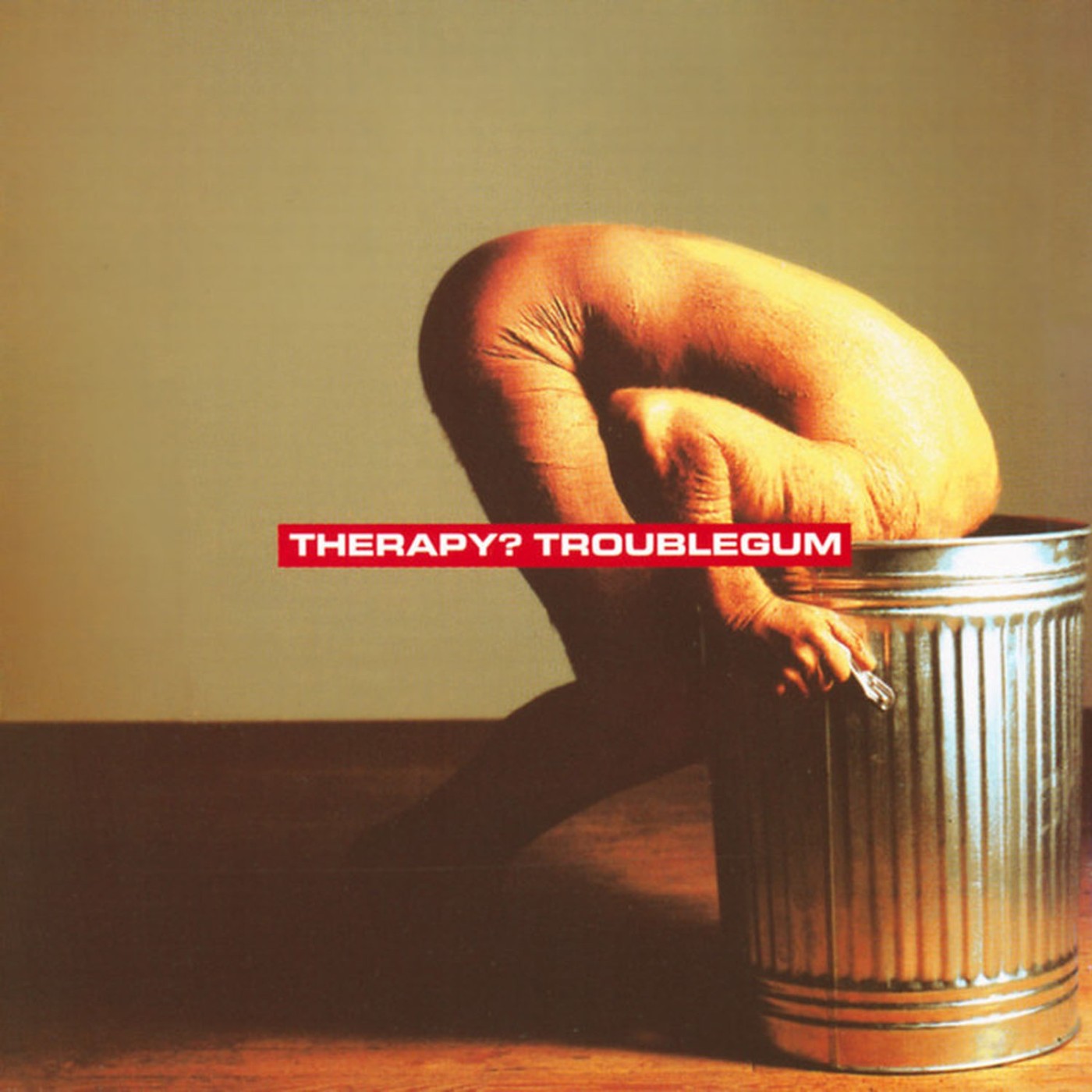
Speaker0:00
For more information visit www.fema.org For more information visit www.fema.org For more information visit www.fema.org For more information visit www.fema.org For more information visit www.fema.org For more information visit www.fema.org For more information visit www.fema.org For more information visit www.fema.org For more information visit www.fema.org I've got it all in I've got all the things in You've just done it all We can go out now This week we're doing therapies Therapy question mark Yeah We're doing screen major I have wanted to do Not just this album Yeah But we often cover Like we cover on the show These classic albums And we've been doing kind of scenes And stuff So we did like the L.A. scene The kind of glam and hair metal scene And we've Then we went and did a bunch of stuff Pacific Northwest And Seattle And grunge And kind of that alt rock movement That came around But something I've really wanted to do Like forever And I just thought No one's gonna care It's just like It's just me But there was this kind of Alt hard rock scene In the UK In the 90s Where you had Band like Therapy And You're Mighty And Thunder And Skunker Nancy And Gun You know what I mean They were just And Terror Vision And The Wild Hearts There were just so many Of these bands That were like Formed part of my Yeah Yeah just my teenage years Yeah And I just thought I really desperately Want to cover them And one of the reasons I really want to do them Is when I've not listened I hadn't listened to this album Yeah Probably in 20 years Yeah And I put it on Probably about a month ago Yeah And I knew every word Do you know what I mean You knew every word Every song You knew the order of it And it just all came back And you just turned it up louder And louder And louder Before you were like Screaming away at it Like the energy just Yeah I don't know They're just phenomenal records But like People I haven't heard of them I was talking to people In my team And people at work Yeah Who? Yeah Yeah Yeah Do you know what I mean If you weren't there If you'd blink You'd miss it Yeah It's one of them If you were there And you were into rock music At the time Yeah Like I remember I think I discussed it Very briefly last week And my friend Ben Lyons Yeah From school Yeah Was a very Very good friend Actually for a long time And he was like He had the older brothers Yeah And the older brothers Who listened to Because we were younger You see So this one We were like Less than teenagers At the time And he Less than teenagers Yeah So we hadn't quite Got into it And the He had older brothers Who listened to this stuff So they were Discovering themselves And he sort of Had this byproduct Of like This is what All the bigger boys Like Do you know what I mean Yeah This is like This is what We should aspire To listen to There was a little bit Of that going on And yeah Therapy was absolutely That band And I remember Actually I remember him saying He was the first person That ever told me I'm going to go And watch a gig I'm going to go And watch therapy With my brother So that was the thing That I think I might have made that up But in my brain In my brain That's what I remember Happened I loved this album For Like it was this kind Of accessible But angry Stuff right It was You know They were Almost venomous In places Kind of punky In places But it was really Accessible It was kind of Really Had this like Amazing groove To it And these amazing Riffs And like And the lyrics I just thought Were awesome I've got to I've got to Quote some of The Screamature Lyrics Because I Like it's With a face like this I won't break any hearts And thinking like that I won't make any friends And then You kind of get that Screw that Forget about that I don't want to hear About anything like that And I don't know It's like Your beauty makes me Feel alone I look inside But no one's home I just Like this album To me Is just a It's an anthem It was an anthem For a generation And you just Everybody screams To this It's a proper When it comes on In the car You just scream In a way Like a nutcase And it's a It's a mixture Of like the lyrics Spoke to Like teenagers These lyrics Spoke to When you were a teenager Absolutely Like They hit you And then Like the The music itself Was kind of So anthemic Yeah And that's Absolutely the word for it It is It's How can something That is So grungy And spiky And punky And aggressive Be so anthemic And I think And I think That's the song craft Yeah But it's There's riffs Every Like that I wanted to play Like at the start When we played That scream major And normally I play a bit of an intro Yeah And then we start But I wanted to hear The whole intro Because the vocals Don't come in for ages No They've got There's like There's three sets of riffs Before the vocal comes in How do you write that Someone sat down in the studio And just went That's not a rock song Yeah yeah yeah But then made it into This anthemic rock song Anyway I just think It's just astounding To me this is Another thing is Is that Andy Cairns Have I pronounced that right? I think so He interviews so well Yeah He's so good Like when we've done Sort of interviews And I've been trying to Cut up interviews From like the time And they're kids They don't really make any sense But even then He was thinking He was thinking quite deeply About things Yeah You know It's really interesting I mean a lot of the interviews That we're going to use in this Are from a more recent More recent set of interviews But there's a couple That are from You know Right back in that sort of day And I don't know He's I don't know He's got it I don't know what it is But he's just You know Remember when we spoke About Alanis Morissette Yeah And we spoke about Who was it the week after That we did And they were very Oh it was Skin Oh Skin Yeah it was Skin And they had this kind of Wisdom in the way they spoke And the way they sort of Reflected on things And you get that exact Same sort of thing Of Andy Cairns Yeah He's a bit of a thinker You know I think so You got there with a lot Of the punk bands Didn't you Do you know They kind of came across As being brash And kind of You know In your face And irreverent And didn't care But actually When you heard them speak They were a little bit like More like professors Do you know what I mean There was this dissonance Between that public persona Yeah And then actually What they were Yeah What they were like One thing One thing you said earlier That I've just got to make sure That I get into the podcast Is that You were describing the albums Yeah And you were saying Oh there's a whole load of albums We're going to do And they're like They're like off the roof And I'm like What a great What a great thing that is What a great term that is That's in the bank They are So there's a lot of good things About this album First of all How long is the longest track On this album Oh they're all short aren't they I was listening to it Because the thing is With it With me Is that I'm not I've never I don't think I've ever Listened to the album Through until this week Right And I've always like Just picked songs Yeah And there were some songs That I'd never even heard And actually Become my favourites So I You know You know Nowhere And you know Screamager Yeah And you know Is it Hellbelly Is it Yeah Trigger Inside Trigger Inside Of course Yeah You get You get those But then Like Turn Yeah And What was the other one Absolutely hit me like a train Oh it's gone Luna What is it Lunacy Booth Lunacy Booth Yeah That one That was Amazing Lunacy Booth Is probably my favourite song On the album It's like It's super short It's packed There's no filler No It's one of those That there's like Oh yeah Sorry The point I was going to make Sorry Because I got distracted By my own brain Was that After listening to it All the way through For that first time Yeah By the time I'd sort of Check my phone To sort of see Where it was Where I got to And I was like Two songs left Yeah And it hardly felt like Any time had passed You know It's a It's a fast It's a fast record Produced By Chris Sheldon Now I'm going to read you Some albums That Chris Sheldon did So he did Feed a Swim Oh wow Gun Swagger Did this one My Vitriol Fine Lines They were great My Vitriol Biffy Pyro 2002 Ocean Size Which Biffy? Black and Sky Best album It's brilliant isn't it Yeah Biffy are kind of in that They're kind of in that They were Scottish aren't they They're kind of in that We did say An album that is We did say albums That have got to be 25 years old Yeah For us to cover them That's 2002 I'd do Black and Sky It was Yeah I'd do Black and Sky I'd do Silver Chairs Diorama I'd do What was the other one That I'd love to do 100 Reasons 100 Reasons Yeah What else am I thinking That was in this It was Incubus Morning View Which was a stunner I'm just thinking of other bands That were in this Was it Three Colors Red Three Colors Red Yeah And then you had I was thinking feeder albums Was it Polythene Yeah Yeah that was a great album I liked One of my favourite feeder songs Was High Oh yeah Oh yeah Honestly There's just so This group Of bands Like you say Are kind of almost I wouldn't say forgotten But I don't mean it No no It's like you blink and you miss it It's kind of thing But I guess what I mean Is they've not got that You talk about Pearl Jam Yeah And like You mentioned Pearl Jam In any room And somebody would go Oh I like Pearl Jam Yeah But you say therapy In a room And people will be like What I don't get it Right And so it's not that There aren't any Passionate fans out there But just Like the following Is not as big as Yeah I think it should be I think this is It's up there With like the perfect records For me It's just such An astounding record And for a lot of these 90s UK Hard rock records Yeah They're just exquisite Absolutely phenomenal We did Skunk and Nancy's Stoosh Yeah Did The Prodigy as well Yeah You know They're all quite similar Here aren't they Yeah Yeah They're all that same And you know Skin talked about That they weren't part Of Britpop Yeah But there was a scene That they were part of And this is that scene That kind of hard rock None of them were similar Yeah None of them were making Like similar music No no They were from different Areas of the country Yeah Ash Ash 1977 is probably Another one Oh yeah That's a good one Yeah Because they weren't Quite Britpop They weren't quite there No they weren't Manson Yeah Mannix Supergrass When they got A bit heavier I remember seeing A clip on TV Of Supergrass And they looked About five Honestly looked like They'd run away From their teacher They looked like Somebody in a Hive's jacket Was about to come And retrieve them Come on lads Stop working But there were There were loads Actually And another band That never quite Saw the light of day From that kind of era And they really Didn't fit Was Superman Oh I don't know Yeah I like them A lot Yeah Are they British Yeah I think so Hey Petrunko Was there Yeah I fell in love with And that That's That's well worth Listening to actually It's a bit of a Bit of a monster I think we should Stay in Britain For the next Like Stonehenge Yeah But I think we should Do it for the next Couple of months And work our way through You know You mentioned the Mannix Yeah I've not covered them Lindsay's been Harassing us to do For years She's threatened to Throw fruit pastels At you next time She sees you Live So Be glad that And yeah You better buy A bumper packet Lindsay Because he gets Through them But yeah I just think I don't know I just think There's so much Cool stuff From this era Yeah In the UK That I bet Loads of our US Yeah Yeah They won't have heard Won't have heard So it's kind of We'll uncover that A little bit I bet tons of people That were there Have forgotten About them Like when I went Through this And started to Pick stuff out I kind of thought Oh Gun Yeah Or Swagger And then I remembered Their Gallus album Yeah you said about that I preferred that It was absolutely phenomenal You know And then there are bands Like I mean There are the Like what I consider The big American bands Right So you had like Def Leppard Who are still I mean I guess after High and Dry They don't feel like A British band anymore No They acted They lookeded They lookeded American And sounded like An American band Bush Similar They were British band But from London They're huge in America They went They hit the stratosphere They did They sounded like An American band as well And I think Although Was it 16 Stone Yeah 16 Stone That was That was I would put that In this bracket Oh really That particular album Yeah But it did Yeah I understand If you listen to it Next to The Pearl Jam And you know The Sound God And if you listen to it Side by side to them It's probably got more In common with those Than it has with these There's something about The production I hadn't realised Chris Sheldon Had done So much of this stuff Right Yeah that's interesting Isn't it But it's like On this album But also on Trouble Gun particularly The snare sound Yeah Is I love it I absolutely Love the snare sound It's There's a band Called Tala Yeah Kind of like a Hardcore band Probably They're quite modern Most of our listeners Probably hate them But they've got A similar snare sound Yeah yeah And I don't know It pulls me in I like it It's got this kind Of organic feel to it You know that wasn't Triggered And it's not done You know what I mean There's no click Happening here This was just Feel based And it just I just think it sounds Phenomenal And there are bits In this album Where the snares Was properly Out of place Yeah That kind of Do you know what I mean And then the song Goes off Yeah yeah yeah And you just think Whoa And then it's just And it all adds To the chaos And the liveliness Of it But Yeah it definitely Cuts Yeah It cuts through There's something About the production Style of them I think Like there's The Almighty Their albums Had like a very British sound To it Gun did to Yeah There were Wild Hearts Yes As well We've got that Kind of And I think A lot of it Is that kind Of British Punky Sound That's kind Of in here It's still Kicking around You know You've got Like the grungy Elements Kind of coming In I think In these records But yeah There's like You've got that Punky spirit And that Kind of The production A little Yes But then There's this melody On top And the You know The That Commentary If you like Coming from Northern Ireland Whenever we all Got together We started the Band during the Political unrest Getting together In a room And making noise Was our escape Because it was all Around us In the news And in the papers What was going on In our country And if we went to Visit another country Oh you're from Northern Ireland That's where the Bombs are You know So like whenever The three of us Got to make music In a tiny little room On a very wet night In November or December Whenever we got together It was our way Of getting away From the world For two and a half hours This for me Trouble Gum is up there As one of the The best One of my favourite Records I think of all time And I haven't Listened to it enough You know When you look Look back on it Yeah You kind of think There were probably Decades Yeah Where I I didn't listen To this Yeah Yeah True Yeah So it's same The sort of thing You kind of forget About them a little bit Yeah But they've still been Doing great things Yeah You know Like they've I mean In Amsterdam I think In the Netherlands And there are places In the world Where they're Where they're still You know They can Draw in a crowd And I think They did a 20th anniversary For Trouble Gum Yeah Which Which was obviously A couple of A few years back now But You know That was a A big deal You know They were doing Big Big events And big festivals And that kind of thing And big shows Kind of You know Performing that album And I think I think it's one Of those albums That Because it It did define A generation As you say It became Something that people Had a sense of identity With and also a sense Of belonging With the record Yeah So hearing about it Than playing again live It would have been Like a nice warm hook You know For a lot of people Yeah I think so And I think There's a There's that certain thing Isn't there Where you Yeah There's like Times in my life And this time In my life When this stuff Was coming out I was kind of Late teens Early 20s I was at university I was doing Doing stuff You don't have that much You know You're busy doing things But music is a part of that Like you're going out And music is like A big big part of it And then probably Five Five to ten years later All of a sudden You've got A mortgage And Do you know what I mean And actually life is It changes a little bit And music is a less Big part of that Yeah Of that And then Like for me particularly I would say probably Another ten years after that Yeah Then actually getting back Into music But more modern music Yeah yeah And then it's only been Probably the last five Five to ten years Yeah Going back and rediscovering This stuff from the Eighties and nineties Yeah yeah And having it have That same impact on me Yeah That it did back then Yes You know So going to Listen to I listened to I did listen to Gallus and Swagger From Gun A month so ago I've been listening to him Quite a lot lately And for those that Follow us on social Especially on X You'll see that I kind of Post on Friday What I've been listening to That week So you'll see a lot of That nineties stuff in there But it hit me in the Like almost the same way It did Yeah yeah I remember going up to Bath University Because they'd got An applied maths course And I was thinking of doing it So I'd headed up to Bath Uni for their open day And I'd got Gallus guns Gallus on And I didn't know to come out But when I got there I did the open day thing And then I came back Took the car to get some petrol And I saw Swagger In the You remember back when They used to sell CDs Yeah yeah yeah And so I bought it And then listened to it On the way down One of the strongest In the services Yeah One of the strongest memories Is listening to Like you know Word Up And Yeah yeah Steal Your Fire And all those kind of tracks As I was driving back down From From the open day Yeah But it's weird It brings back those Yeah yeah yeah yeah Those memories And the nostalgia And the time Time machines Yeah It's just I don't know I think this Music is incredible Like Trouble gum this album Is that I've been I'm sure I've talked about this On the show before But I cook most nights So I finish work And because I work from home I find it really difficult To switch off Yeah So I've got quite disciplined Over the past couple of years I kind of finish And I'm like I write down my to do's For the next day And I'm like I'm going to do that But I can't switch off I can't Like stop You know what I mean Stop obsessing over The problems Which makes it really difficult You know when somebody You kids and family Want to have a conversation With you about some random Yeah yeah yeah And I'm still buried in code Or a problem Or something that I'm trying to solve And what I do is I finish Write my to do's For the next day Go into the kitchen And we cook Well I cook As I go and grab stuff And we cook We get these Like meal kit things And I cook with them And I always listen to music And the last week It's just been Trouble Gum Every night I just go in there Scream at Alexa Play you know At Alexa Play Trouble Gum And off she goes Yeah yeah yeah And it's just I don't know It puts me in a good mood Screaming along While I'm chopping my onions But it's I don't know Yeah yeah yeah Something epic about this record Yeah yeah I made the kids listen to it We've been in Derby Escape Room today Made them listen to this On the way in the car It's Dad's old man music again Come and listen to Imagine Dragons No Scream at you What was it about Shut up But it's It has a I don't know It controls how I feel This music does Yeah yeah yeah You know like You know we talked I joked ages ago About that The kind of music From the Pacific Northwest That Seattle stuff Is Like It's connecting To your Your feelings It's kind of Quite dour in a way It's kind of It touches and pulls On your Your emotions A little bit But in a Like in a sad way Right It's kind of Encouraging you To connect to yourself This is encouraging you To go and like Chop your onion Do you know what I mean Yeah yeah yeah This gives me Such a massive Amount of energy And like drive To go and do Like nothing can stop me This album's on Like there's a bunch A lot of these That we're going to cover Have the same effect on me Where I just Take over the world Yeah yeah yeah If someone came in And said like There's a tank outside Do you want to go And like invade someone Yeah Do you know what I mean I'd have ACDC blaring And I'd go and invade Surrey Or something But do you know what I mean It's like Just nothing's a no It's just like You just get that You just like Wow I could take Yeah yeah yeah It just absolutely fills you With this This energy And this drive To go and And it reminds me Of the student clubs You know the student nightclubs And things You would go there And they would You know they would They would play A bunch of different music But then this stuff Would come on And everyone would Just throw themselves And it would be Just mega And then you'd wake up The next day going Why do I feel Not very well Vomit everywhere Yeah A bit of vomit On your shoes And that I'm not afraid to die I'm just scared of going to hell I'm just scared of going to hell Your car shoes You're just scared of going to hell She's in love You just want to be Jesus without the suffering Jesus without the suffering Jesus without the suffering Jesus without the suffering Jesus without the suffering Old twisted white Dead crow in advance is your style You blame me again, sir Is this it all you just want to be? Jesus without the suffering Jesus without the suffering Jesus without the suffering Jesus without the suffering Fire, fire, fire, fire. Fire, fire, fire, fire, fire. Fire, fire, fire, fire. Fire, fire, fire, fire. Fire, fire, fire, fire. If you look at the tunes and the melodies and the humour and stuff, they're quite uplifting. And I find if you listen to it, there's always a bit of hope in there somewhere, no matter how aggressive or angry the song or music can seem. The guitar sounds, you commented on this while we're listening to it, are very crunchy. I think so, yeah. They're very, they're quite, like, it's quite a high gain. It's quite, you know, really, really distorted. It's one of the things you can tell it apart from a U.S. record. Yeah, yeah, yeah. Like, the U.S., like, the stuff that came out in the 80s from L.A. was, like, pretty sweet, I would say. Yeah, yeah. I mean, it's obviously distorted, but it had a lovely kind of sweet melodic tone to it. And then you had, you know, often with a lot of reverb as well. It was quite, you know, almost kind of a wet sound. And then you had the stuff from, you know, Pacific Northwest. Again, the Seattle sound, it got its own, it was kind of quite thick, I think, that sound. Whereas this has got, it's got a bite. It's like a... Yeah, it's bite. Bite is the word I'd use. That's a really good word for it. I think that's why it appealed to me. I loved, there's a few guitar sounds that I just adore. Yeah. One is this. The other one is the stuff that came out of Sweden for the death scene, like in two, that buzz song. You know, when they had the Boss HM2s and they just wound everything up. There's this lovely article which says that, like, you never see people saying, how do I get that tone? Because it's literally up, it's the sound, the whole scene was one pedal and everything wound up for me. And I just love it. I just, you know, I had no idea how they got the tone for this record, but yeah, I love it. Absolutely adore, adore this. I love the snare sound. And yeah, I don't know. There's a lot of, we've talked about this a lot in the past, actually, but the bass on this, the space, the, like, Chris pulls out space so you can hear the bass, which is absolutely vital for this sound work. It really is, but it's full. It does mush together. There is space for everything, but there's not, other than the snare, which rips through everything. Everything's kind of sort of glued, glued together. The snare sounds almost like a rim shot and the snare at the same time. Like, it's all played at the same, the same time. But I'm sure someone will write in and tell us. No one's corrected us on our Blind Melon article. That's interesting. We normally get at least one correction. We did, yeah. So I'm taking that, that we were perfect. And that, it's all been factually checked. So that one's in the box. So we're all good. Well, you were talking earlier, actually, about the, like, the genesis of the band and where they came from in Northern Ireland as well. Yeah, yeah. It hadn't occurred to me, actually, until, only until you mentioned it, that that would have put them, like, right in the middle of, like, those rough years of the troubles in Northern Ireland. Yeah, yeah. And it's, I just think it's interesting that that, you know, the type of music that they produced. And the products. Yeah. The products of that. Yeah, yeah. And that, and one of the little interviews with Play Dood has spoken about that and actually how the music, the creation of music with that group of lads was the escape. Yeah, from the, yeah. Was the, almost like the safe haven. And I can resonate with that, you know. Yeah. When you, when you need to just get away, a band practice is a really nice place to forget about the outside world. Yeah, it's, we, we were at Derbyshire Makes yesterday. We did a couple of podcasts from, from there, which was really, really cool from our town in Swaddling Coat doing cool stuff. But the number of people that were connecting, making stuff and art with escape and mental health and just them being able to, like, disconnect from whatever's going on in their world. Yeah, yeah. So Opus were there and Opus do a, they had a stall and Nick Cutts, who runs Opus, they kind of come from a, a sort of music for therapy kind of background. Right, right. And they do a lot where they'll go and play in hospitals or care homes or, you know, places like that. Yeah, of course. And then they'll use music and musical expression to kind of connect people. Yeah, yeah, yeah. And they've got one of these, I don't know what they're called, but the big, the big, the big things are called hand pans. Right. And they've got this beautiful, like, hypnotic kind of melodic sound that you can chime, they're like chimey. Yeah. And what they had was a sort of equivalent to it, but it was more like a, not like, not like a bowl, not like a bowl, more like a kind of, a sort of, a different kind of percussion instrument. We made a similar sort of sound. Okay. And they had these little sticks with it and, um, they let, they let me loose on that. And mate, I've disappeared. I wasn't, I wasn't in the same realm. I remember you when we went to Timber one year, went and do, was it gong therapy? Gong therapy. Oh yeah. You just went, you were gone, you were just like zonked under this massive gong. It was like, what's going on? That was brilliant. Yeah. But this thing, like playing this thing, it was quite similar, I suppose, but I'd gone into that and it was, you know, Nick was playing guitar and there was another lady there playing the violin. Yeah. And, um, and I, and I just, I'd locked in. I got, I disappeared and I was doing this thing and like the next, next up to the end, he went, you weren't there, mate. You all right. Yeah. You, you, you absolutely weren't there. They often talk about that with drummers, don't they? Yeah. That they disappear. Yeah. Yeah. And you can see, you know, as a, as a photographer, I spent a lot of time in, in pits, shooting bands. Pits. Pits. Okay. Yeah. Not armpits or like coal pits. Um, but you, you often see like, you, you, you know, you, you see musicians and you've kind of up, up fairly close with them. Um, and you'll see like guitarists will often do it a little bit. Yeah. Yeah. Not to the same extent. No. Um, and you kind of vocalists almost, I, you rarely see it. They always seem to be pretty conscious of where they are. Yeah. Drummers will spend like song after song, like zonked. Yeah. You can see it. They just like jaw open, eyes transfixed. Yeah. They're not there. Yeah. Yeah. They're just not aware of what is going on around them. Yeah. You could walk and punch them in the face. But it's that weird, like, almost like, um, yeah, it's like they've transcended to like a different, a different place kind of thing. Music's incredible for that. Yeah. Yeah. Yeah. Yeah. There was, there were times where, I mean, I suppose because we used to do it for so long, but when we used to jam sort of a star from Ivy, we'd have a riff, we'd have a riff cycling round and we'd, and we would all go. Really? Yeah. We'd all go. And, you know, it becomes almost like a meditation together because you've just gone. You've just, you know, no, no one's in the room. Everyone's just exploring their own inner space, but playing together. You know what I mean? Everyone should just go and start a punk band. Just do it now. Just put your, whatever this is, put it down. Go and be a punk band. If I'm totally honest, it wasn't that happy a period. Recording the album was great. I really liked recording the record. And it was done very quickly, comparatively to other bands at the time. You know, the drums and the bass were done in something stupid like two or three days. And then the rest of the time was guitar and vocals and mixing. But at that point in time, you know, we'd just come off a big tour. We'd went into the studio and we knew that there was two world tours lined up. The first one was just to promote the record. And then when the record started selling well, we were booked in to go straight away back to countries and play bigger venues. And then I enjoyed it, but I was exhausted because I was a single man of partying a lot. Fyfe, the drummer, didn't enjoy it because he didn't really like traveling. He found it quite difficult. And he was beginning to kind of, you know, find it very, very difficult. With a lot of sales also comes negative criticism. So it's the same with anyone. Once you become popular, all of a sudden, cool critics start saying, oh, this band's not good anymore. And I think that impacted on Fyfe a little bit as well. I don't think he liked not being cool. And it was sad to see. And then I think with Michael as well, you know, Michael missed home a great deal. So you had three guys. One of the guys that didn't want to be on tour, one of the guys that really missed home, and another guy that was partying too hard together, doing two world tours in nine months. And it was all really, really quick turnarounds. So, I mean, to be honest, I mean, recording the album and the success it brought was great, but the actual tour was really, really difficult. The best thing about every day was the one hour and 25 minutes we played every night on stage. And that was what made it worthwhile. You know, we would maybe have three hours sleep, get up, get a jet, get in a bus, be taken somewhere, do press all day. But it was the one and a half hour at the end of the night that made it all worthwhile. I think it was great for me because I loved it. You know, I loved it. I was exhausted. But when I was a kid with a tennis racket in front of the mirror, whenever I was 14, wanting to be in a band, that was what I thought would be part of it. You know, I liked, you know, I liked coming over here. I liked speaking to Uru magazine that I knew of and Humo magazine. I liked speaking to the NMA and Kerrang! And things that you dream of when you're, like, 15 and 16. And seeing your video on TV and going to America and talking to Rolling Stone magazine and stuff like that. It was like, it's not what I would read myself, but every time I got myself a bit depressed, you know, I would think, well, from starting out in a tiny little village outside Belfast to this, it's been quite a great journey. And I think what that made me do, though, is it made me appreciate that, hey, you know, you can be a working musician. I can do this for a living, you know. And regardless, whenever, you know, the seals collapsed from, well, the big, big seals collapsed, you know, from the major naval days, we had it all in place that we could actually do this professionally. And I feel really good that all of us have been professional musicians now for the last 20 years. Turn and face the strange, the door is open, you're awake. Remember, I know where you live, and I know you're on your own. I may forget, I don't forget, I'm always home. You turn and face the strange, you turn and face the strange, you turn and face yourself. I know where you lie, the brightness darkens in your eyes. This is yours to take control, this is yours now, hold your own. Remember, I know where you live, and I know you're on your own. You turn and face the strange, you turn and face the strange, you turn and face the strange, you turn. Baby, it's yours to take control. Baby, it's yours to take control. Baby, it's yours to take control. Baby, it's yours to take control. Baby, it's yours to take control. Baby, it's yours to take control. Baby, it's yours to take control. Baby, it's yours to take control. Baby, it's yours to take control. Baby, it's yours to take control. Baby, it's yours to take control. Baby, it's yours to take control. Baby, it's yours to take control. Baby, it's yours to take control. Baby, it's yours to take control. Baby, it's yours to take control. Baby, it's yours to take control. Baby, it's yours to take control. Baby, it's yours to take control. Baby, it's yours to take control. Baby, it's yours to take control. Baby, it's yours to take control. Baby, it's yours to take control. Baby, it's yours to take control. Baby, it's yours to take control. Baby, it's yours to take control. Baby, it's yours to take control. Baby, it's yours to take control. Baby, it's yours to take control. Baby, it's yours to take control. Baby, it's yours to take control. Baby, it's yours to take control. Baby, it's yours to take control. Baby, it's yours to take control. Baby, it's yours to take control. Baby, it's yours to take control. Baby, it's yours to take control. Baby, it's yours to take control. Baby, it's yours to take control. Baby, it's yours to take control. Baby, it's yours to take control. Baby, it's yours to take control. Baby, it's yours to take control. Baby, it's yours to take control. Baby, it's yours to take control. Baby, it's yours to take control. Baby, it's yours to take control. Baby, it's yours to take control. Baby, it's yours to take control. Baby, it's yours to take control. Baby, it's yours to take control. Baby, it's yours to take control. Baby, it's yours to take control. Baby, it's yours to take control. Baby, it's yours to take control. Baby, it's yours to take control. Baby, it's yours to take control. Baby, it's yours to take control. Baby, it's yours to take control. Baby, it's yours to take control. I think that ended up being one of my favourite songs tune. Sorry, I was sucking on a fruit pastel. I wasn't ready. I should say, Chris doesn't give me any warning. He's just busy doing something and then he just starts talking. I'm like, what? What's going on? Yeah, I have to be honest. This album's full of stuff like that where there's big bangers, big anthemic stuff and then there's other stuff that's like a little bit less in your face. Do you know what I mean? this a little bit more that the kind of slower burn stuff reminds me massively of what albums used to be like? Yeah, there would be a few like this album to me is like properly front ended. Yeah, like the big kind of massive anthemic stuff that you're going to scream your lungs out to in the first. Early doors, yeah. And then there's a bunch of others that you kind of grow on to. Yeah. And I don't know. That's how albums used to be in the 90s. Yeah, yeah. In the 80s. I wonder if, you know, I always think about this when you know, when they're sequencing an album or where these songs come together. I wonder if they know instinctively which ones the hits are as they're going down, as they're coming through. I think the labels, because I think the labels get involved in a lot of that. Yeah. I think the band are like, there's all this so many stories of bands and labels falling out. Yeah. Which are the ones. The singles are and which ones that, you know, they're not. So I think the label are, and I think, I don't know, probably controversially, I think the label are probably better place to do it because they're not as close to it. Yeah, yeah. So they hear it for the first time and they're like, oh, that one hit me. I mean, that's, you know, I mean, I can imagine that one being a banger, whereas the band have been so connected to and so close to it for months and months and months. You lose perspective a little bit, you know, or you think, you know, this song's better. Yeah, yeah. Because it's probably maybe more complicated or, you know, it was more harder to write or something. Yeah. And then the curation of when to drop things, like which is the first single, which is the second single, you know, that kind of process there. Like, because I think Going Nowhere was first and then maybe Screamager was second. I think so, yeah. Let me go and have a look. I'm looking at my, I'm looking at my fact sheet. I mean, you can't, you know, you can't sit in the studio and put Screamager together and not know. Not know that that's going to, well, that's the one then, isn't it? That's the one that's going to be the one that people hook into. Yeah. You've got to assume that they knew. I mean, Screamager was nine in the UK, two in Ireland. Turn was 18 in the UK and number five in Ireland. Yeah. So Turn was a single as well. Yeah. Nowhere was 18 in the UK and six in Ireland. Yeah. Trigger Inside was 22 in the UK and 16 Ireland and Die Laughing was 29 in the UK and 16 Ireland. So they put out a fair few singles off it then. They did. It was interesting because they, there's a lovely quote where Cairns said something like, we, we didn't want to be part of a scene. Yeah. Yeah. We, that's not where we came from. We didn't want to be, you know, in the Brit pop scene or whatever. Yeah. Wasn't us. Mm. And then a month later sitting there being interviewed by Kerrang magazine. Yeah. And all these others kind of, and people were saying, this is, this album is a classic. This is going to be, this is going to go down as one of the, you know, class, most classic albums of the decade. Yeah. Yeah. Yeah. And Kerrang voted it the best record of 94. Yeah. Um, you know, they were just like, it was surreal. Yeah. That wasn't us. That wasn't the album we made. Yeah. Yeah. And so. Doesn't that show that once it goes, you, you don't control that anymore. Yeah. Yeah. That doesn't belong to you. You know, you, you, you create the art. Yeah. But once the art goes into the world, it takes on a life of its own. Yeah. And it's people connecting to it, isn't it? And it's what it means to them. Yeah. For me, like this album has got a way about, and then like I said, we talked about before, a lot of these albums around this time had this like upbeat. Yeah. Yeah. Uh, tone to them. Like the messaging wasn't, the messaging was, was not necessarily, but the, you know, the, the tone of the music, if you like, was pretty, um, uh, pretty anthemic and kind of, you know, scream along to, um, that, that underpins people's lives. Yes. I mean, I remember you, you, the immediately when the, that first chorus of Screamager comes on. Yeah. Yeah. That puts me back in student union bars. Yes. You know, and you know, that's just, it just places you back in those times. So, you know, it might've been the band that created it, but I created the relationship with it and they're different things. Yes. I own that relationship with it. Yeah. Uh, and they created it. Yeah. Um, but yeah, I, I just love the fact that they, like they, they kind of knew that they, they knew that they, what the producer was good. Yeah. Um, but I don't think they expected it to do, you know, what it did. Do you know, do you know what I mean? Yes. Yeah. The, the, the pressure's not as much now because we're not on a major. I mean, whenever we were on the major label, we followed up Trouble Gum with Infernal Love, which initially didn't do as well. And then Diane was a big hit. So it picked the sales up. But, um, after that, the record company just wanted another hit album. And I think really as well, to be honest, a lot of the fans that got into the band through Trouble Gum, they left supporting the band because they only wanted stuff that sounded like that. But I don't think so because I think the band would have split up if we'd have tried to make the Trouble Gum part two. Um, I think we either got bored, you know, we're intelligent people. We listen to all kinds of music. We like all kinds of things to do with the arts and culture. And to, I think if you're going to be a band like Motorhead or Ramones or ACDC, a formula band, then you have to be really comfortable in your own skin. And, and don't get me wrong. I admire those bands. Those bands do what they do. And they, like ACDC said, we're rock and roll. This is what we do. This is what you get. Um, and you know, sometimes I think it'd be great to feel that comfortable, you know, but I kind of like to explore things when I go into the studio and I like to try and put different things into the album. And, and you know, it's probably acted against us, but it still made me consider myself valid as a musician, as if I had just done something to keep it on. I don't know. I don't know. I don't know. I don't know. Reveal yourself to me Like she's pornography Picking at my gills With promises of hell Sin, so that you know Sin, so that you know Sin, so that you know Sin, so that you know I'm glad my mirror's broken My image is a burden I want to lose myself In the coming of the Lord Sin, so that you know Sin, so that you know Sin, so that you know Sin, so that you know Reveal yourself to me Reveal yourself to me Reveal yourself to me Reveal yourself to me Reveal yourself to me Reveal yourself to me Reveal yourself to me Reveal yourself to me Reveal yourself to me Sin, so that you know Sin, so that you know Sin, so that you know Sin, so that you know Sin, so that you know Sin, sin Sin, so that you know Sin, so that you know The worst thing I find about it is that it is what it is and it's just a business like any other business and we're not naive people. But I think what it does is it can, whenever egos are involved, whenever the male ego is involved, it can do terrible things to people. It can make people greedy, it can make people vain. And you know, I include myself in all of this, I think, in the past, various band members we've had that haven't got on or we haven't got on, and as the setting comes up, it makes you realise, you know, at the end of the day, people can get bent out of shape about the smallest possible things. So I think that's the one aspect of it I would like to change. I would like to sort of, the way the band is at the minute and it has been for the past, you know, seven years, is the way that I think the model should work. It's really simple. It's really, really simple. Rock and roll is a really simple, well not even just rock and roll, contemporary music can be a really simple form of art. I'm not talking about the complexity of the chord progressions or the complexity of the rhythmic structure or timbre. I'm talking about, if you want to make music with a bunch of people, those bunch of people are different, but when you get on you make group music. Then, if you're in a room rehearsing or writing and someone doesn't like something, what you do is you don't keep it inside for weeks. Because if you're a touring band of musicians, that will come out. You will be in Amsterdam, three weeks into the tour, someone will be tired or stoned. Someone will miss home, someone will want to not be there and an argument will start and then someone will say, that song you wrote four weeks ago was shit, I never liked that. So we said when we got the band together with Neil this time round, we've had, and he's been in various bands in the past that have been the same as Therapy Situation. We said that we'd always be very honest. We would always tell each other exactly what we thought and we would resolve any problems we had there and then and not let them carry on. And so far, I mean, that's seven years we've had, we've had no rise. You know, anything that we don't like, anything that bugs each other about each other, we say straight away and it just clears the air and it makes it easier to get on with. I mean, whenever we were the first line up with the band, you know, things were left on set for years, not even months, for years. And people are carrying that around inside themselves. It's not good. I initially liked them as people when I met them. And you kind of think they probably initially liked me as well. But you know, whenever you get involved in a creative sense and friction and compromise or ideas of compromise, it begins to go quite sour. And I think, you know, it's like everything else, looking back on it, you sort of think, none of it, none of it's terrible. You know, when I, I don't dislike any of those people, I certainly hope that they don't dislike me, but it's like you move on. But you sometimes think, you know, some of the things that you thought over, as you get older and wiser, obviously, as Harold Pinter, the English playwright, said what he liked about getting older was the sense of grievance and grudge that he held against films. Grudges that he held against fellow human beings diminished. Grudges he held against fellow playwrights and other people diminished as he got older and more mature and wiser. And I think that's probably what it is. You know, now I'm in my fifth decade, I'm 45 years of age, and I think a lot of, a lot of stuff that would have wound me up when I was 22 now doesn't bother me in this list. Do you know what my favourite thing is about these interviews? No. There's a soundcheck going on. Yeah. You can hear the drums in the soundcheck while he's doing the interview, and I keep getting distracted by it. I once interviewed Doug Aldrich off of Whitesnake. Buzz Aldrin. Buzz Aldrin, yeah. For those that are not familiar with Doug Aldrich, he's the nicest guy you'll ever want to meet. Yeah, yeah. It's absolutely phenomenal. And he was, it was an interview with the Dead Daisies. Oh, cool, yeah, yeah. We were talking about a whole bunch of stuff, right? So I've done what I usually do. It's probably why I don't do this stuff anymore, right? But I've been asked to go and talk to Doug Aldrich off of the Dead Daisies at the time about their new record. And we were talking about, like, we were talking about Jeff Beck. Yeah. We were talking about The Beatles. Yeah. We were talking about nothing about the new album. Everything but the thing you were supposed to be there for. And anyway, we kind of got to this point. And then in the background, there was a band called The Amorettes. Oh, they're great. He was supporting them at the time. They're called... I think Nick Bryan produced them. Yeah, he did. He did, yeah. They're called The Hot Dam now. Yeah, that's it, yeah, yeah. They're Amorettes and Tequila Mockingbird merged together and they're now The Hot Dam. Yeah, I think he did both of those, actually. And they're still absolutely awesome. Anyway, they were... We've got to do a Nick Bryan one. We should, shouldn't we? Yeah, we should get Nick in, actually. Yeah, yeah, yeah. But they were sound checking in the background and we both looked at each other and were just like, shall we go to the bar? What is this? All right, so I went and had a beer with Nick Bryan, with Doug Aldrich at the bar. It was brilliant. The best interview ever that was. So we watched the girls and it was mega. Yeah. I forgot where I was going with that now, but... We were talking about... Oh, the sound check on the interviews. Oh, sound checking. We covered that. That's fine. Yeah, it's all good. The thing about this album, I actually don't know anything about it. Do you want some facts? Yes, I think we should have some facts. Shall I get my fact sheet out? I know that I like it. Yeah. And I know that the things we've talked about... Everyone likes this album. If you don't like this album, just go away. You know there are albums that I think, if you don't like it, I don't think... We're just so not... We're just not the same... But unfriend me now. Yeah. A bit like that. I'm a bit... I don't know. But that's kind of how... You know when you're in an album is so like... Ooh. Yeah, yeah, yeah. Ooh, I can't... And I can't... I can't understand how anybody wouldn't feel the same. Because we're all the same. Anyway, release date, 7th Feb 1994. Album title, Trouble Gun, which I just loved. Yeah, yeah. Everything about this record just appealed to me, I think. Yeah, yeah, yeah. At the time. Total runtime, 45 minutes. Yeah, and it's got 15 songs on it, hasn't it? Yeah, it's a bit long. Yeah. I absolutely loved it. Yeah, 14 songs on the UK version. 14, sorry. As they used to do back then, where they would... The UK version would have their British bands, UK stuff, it would have... I don't know, like standard issue, like somewhere between 9 and 12 or 13 songs or whatever. Yeah, yeah. Then, a few months later, you'd get this Japanese version, which had an extra couple of songs. Yes, yeah. And Linkin Park are just doing this with their album from Zero. How are they, right? I love them. I love them coming back. Love The Sound of Emily. Massive fan of what they're doing. But, they've just added four tracks to the end and now there's a deluxe version and there's a new vinyl and they've changed the cover. Don't do that. Yeah, yeah, yeah. Just release it as an EP or release it properly in the first place. Oh, I was thinking about something earlier. You know, like your thing about covers and all that. Yeah. You're not keen. There was something that I was thinking about earlier and I went, oh, that's my thing that I don't like. What do you not like? I don't know, I can't remember what it was now. You don't know what you don't like. No. But it'll come back to me. The thing about covers is, you know, I mean, this is going to be no shock to people that are regular listeners to our show. But I'll say something like, I don't like covers. And then I love Bread Fan, Metallica. And I think Word Up is just epic. Yeah, yeah, yeah. And, oh, what's the Counting Crows cover? The big Counting Crows cover. Oh, yeah. Big Girl Taxi. Big Girl Taxi. Yeah. Yeah. I think that's brilliant. Yeah. So just ignore me, basically. I have no idea what I am talking about. Anyway, back to facts. Record label, A&M Records, they were quite supportive of this. Yeah, yeah, yeah. I knew this was going somewhere, I think. It was recorded in Surrey and Chipping Norton. Okay. In a bunch of different studios. It's not very rock and roll, is it? It's not. They're not. They're not rock and roll places. Produced by Chris Sheldon. And we'll talk about him in a bit. It sold a million copies worldwide. Mm, mm, mm. It should have sold 10 million copies. Yeah, yeah, yeah. I think. Do you know what I mean? It's one of those albums where, I don't know, I just feel like it should have been made. I think there are pockets of the world. Yeah. That got it. Yeah, yeah, absolutely. But not everywhere. Yeah. I think Ireland and the UK, and there's a bunch of these albums that were just massive here. Yeah, yeah, yeah. But just didn't translate to the States for whatever reason. And Europe as well. A lot of these guys would do the Europe tours. Yeah, yeah, yeah, yeah. They would do. That is very, very true. Back when you could tour Europe. Oh, yeah, you're not allowed anymore, are you? You just can't. It's too expensive. It was one of the big bands. I think it was Anthrax saying that it's just unviable. Yeah, yeah, yeah. So I think it was Charlie Benante was saying that that's why you're seeing so many of these big headline, like joint co-headline tours. Yeah. Because you need to connect multiple fan bases together, like fans that will, you know, where you're not just going to get the same people go and see two bands. Yeah, yeah. Bands that are really similar. They've got to be different enough that it pulls double audiences. Yeah. So, yeah, brilliant. Anyway, Kerrang! would name this album to be their top album of 1994. And they ranked it 31st in their list of best British rock albums ever. Wow, wow. I need to go and track that down again. Hamilton of Helmet, who guessed it on the album, said it was a masterclass in how to blend aggression and melody. And I think that's a great quote. Yeah, that is a great quote. So we've talked a bunch about this stuff before, but the band were from Northern Ireland, kind of grew up in the Troubles. They used music as a bit of an escape. At the time, in the UK in the early 90s, there was grunge from Seattle. You had Britpop. You kind of had Oasis and Pulp and Blur and all of that stuff kind of happening. And this felt like a bit of an underbelly to me. All of these albums we're going to cover next is this kind of dirty, hard, rocky, punky underbelly that were like, we're not Oasis. Yeah. We're not, that's not, you know, they're not our people. That's mainstream, mainstream friends. Yeah, yeah, yeah. You know, that's not always with the alternative kids. Yeah. Right. And that was kind of where this stuff, stuff come from. Maybe that's the label for what I was saying before, but it's really hard to describe, but maybe it's UK alternative. It is a little bit. It's what it feels like. Yeah, absolutely. But it wasn't in the main. I mean, although this stuff got in the charts. Yes. It very much wasn't like the mainstream. No, no. Stuff right back then. No, no. Members of the band is Andy Cairns. I'm going to get a load of these names. Fife Ewing. Yeah. Drummer. Yeah. Michael McKeegan. Sounds like a footballer. Paige Hamilton. Guest league guitar. Yeah. From Helmet. Leslie Rankine. Guest vocals on Lunacy Booth. Martin McCarrick did the cello on Unrequited. Unrequited. Oh, wow. And Eileen Rose did additional vocals on Femtex. Yes. Yeah. I like that. Great name of a song. Yeah. Yeah. So A&M Records signed them after that. They did a bunch of EPs before this, which are awesome too. But yeah. So they were pretty well funded, I think. As albums and bands were back then. Yeah. Yeah. I think if you proved that you got a bit of a following then, you kind of, you did get that. Guess who else Chris Sheldon produced? Oh, you said earlier, didn't you? Soundgarden. Oh, really? Yeah. Oh, wow. He did some Soundgarden stuff eventually, which was cool. What I'm going to do. Oh, yeah. So Chris Sheldon as well. We talked about, he was kind of one of your go to's in the UK. So he did Feed a Gun. Yeah. Yeah. My Vitriol, Biffy, Ocean Size, Reuben. Reuben might be quite a good. Yeah. Reuben McGray, actually. And then he also did Hard Cold Fire from Therapy in 2023. Yeah. So fairly, fairly recently. Like, they worked with Chris Sheldon over the years. So they did, but they've also worked with some other big producers as well on other records Clay and Head and Andy Gill as well. Trouble Gun was shortlisted for the Mercury Prize in '94, which I didn't know. Do you know what the Mercury Prize was? No. As in like where it came from? No. Do you remember Mercury is in the... A planet. No, no, no. No. The metal. Nope. The planet. The phone provider. No. The phone network provider. I don't know. Or internet provider or something like that. No. I have to Google this. Yeah, yeah, yeah. And that's what it is. Oh, really? So, you know, like if you said like the Amazon Awards for something or the Orange Awards. Yeah. Well, that company doesn't exist anymore. No, no. But it's still called the Mercury Music Prize. It's still named after Mercury. That's interesting, isn't it? I feel like I need to go and educate myself. I feel uneducated. Oh, the records released in 1994. Yeah. A bunch of these we've covered. Super Unknown. Yeah, yeah, yeah. By Soundgarden. Dookie. Wow. What a time. Guess how many albums that sold. Well, Dookie. It's got to be tens of millions. 20 million. Yeah, yeah, yeah. They sold 1 million. Yeah. And that's it for me. That kind of. There's a. The music on Dookie to me is phenomenal, but this is no less phenomenal. Yeah, yeah, yeah. The impact this had on me is equal to Dookie, I think. You had Grace by Jeff Buckley. Yeah. Wow. Right. Which we've done one on. We should do Dookie. We were going to do it, weren't we? Yeah, yeah. With. Oh, Adam. Adam. Yeah, we were going to get Adam on. Yeah. And then I forget whatever, whatever. It's probably our fault. We should do that because he's awesome. He loves that. Yeah, we should get back to him. Yeah, yeah, yeah. And do that because that would be great. You know, I. Let's do this British stuff and then we'll go. Yeah, yeah. We'll dive back over. Maybe we'll do some pop punk US stuff. Yeah, yeah, yeah. We could do Blink as well. Yeah, yeah. A bit of Sum 41 and all that lot. Oh, God, yeah. Jimmy Eat World. Does this look infected? Yeah. Who was the. Could go ranted even. Oh, God. Who did that. They've got even. Yeah, no effects. Yeah. Loads of those bands. I think they're dead good. Bowling for Soup. Yeah, yeah. Oh, God. I saw them live. They were dead good. Purple by Stone Temple Pilots was released in 94. Park Life by Blur. That was a lot of great music going on, wasn't there? Yeah. The Downward Spiral by Knowledge Nails. Oh, well, right. Smash by The Offspring. Yeah. And Korn. That's a big year, isn't it? It is, isn't it? That's a big year. Banging. In a material way, it's the most important one, because it meant that the band got a worldwide audience. You know, the places that were popular with Trouble Gum. I mean, Trouble Gum sold that many copies. We were playing to a lot of people. So it means when we go back now, the audiences might not be as big. But because we went there with the Trouble Gum album, we have a fan base and companies. And, you know, that was very, very important for that. Also as a band that had been struggling at this point in time for four years, you know, with no money, it kind of set us up a little bit financially. It gave us the money to kind of get more equipment established. It made us financially comfortable around those times. We were able to set up our own management organisation that we wanted and keep everything in-house, which means that to this day, you know, whenever we're not on a major record label anymore, we have a financial structure there. It's a business model, you know, that we set up from the money that we got from Trouble Gum. So it's been very helpful in materialistic terms and in terms of setting up a fan base. If you had to choose your favourite song off this record... Yeah. ...like the standout, what would it be? Because at one time, I'd have said Scream Ager. Yeah. But I think now, it would probably be Going Nowhere. No, I can't choose that. Actually, if I skip through this album, I Scream Ager and I scream at it. Then, going nowhere, turn. Yeah. And then... I know, it's weird. It depends what mood I'm in. If I'm in the car, like coming over here, it takes me about seven or eight minutes. Yeah. So I got through half of Scream Ager, scream my lungs out to that. Then I flip to going nowhere, scream my lungs out to that. Yeah. Do you know what I mean? Yeah. But if I'm at home... Yeah. ...I would listen to it all. Yeah, okay. Yeah. And I think... Oh, yeah. It's a really interesting one. Because... I think I have developed a... Like a love for albums. Okay. Yeah. When I say I've developed a love for... I think I have... I've realised how much they mean to me. The thing itself, the whole thing. Whereas when I discovered this record, I would have had it on tape. And I remember getting my first Walkman that let me skip songs. You know that? Oh, right. Okay. Yeah, yeah, yeah. I pressed play and then I held play and pressed fast forward and it would zip to the next track. Yeah. Now, doing that on an audio cassette was like a... That was like the best thing ever. Yeah, yeah, yeah. But it takes me back to that, like the time before that, when you literally... I would be on the bus into college or whatever, put the tape on and you'd listen to it. Yeah, yeah, yeah. All the way through. Because you kind of didn't have much choice. Yeah. I loved it when the tape technology came along, where it auto turned itself over. Oh! God, yeah. And then it turned back itself over again. So you never had to take it out and do it. It was that sound, wasn't it? Where it would get to the end and it would go... And then you'd race to it thinking, "Oh, it's going to rip it apart!" I don't miss tape very much. No. I do like that almost the way it forces you to make time for it and to listen to it. Yeah, yeah, yeah. And like vinyl is doing that for me again at the moment. Yeah, yeah, yeah. Where people talk about, "Oh, it sounds better." And blah, blah, blah. I don't think it sounds better. But I love the fact that I can pick it up. It's a thing that I can hold. I often put the record on and I'll flip it over. You just can't help yourself. You just sit back in my chair. You flip it over. Yeah. You read through the back of the record. You pull the liner notes out. Yeah, yeah, yeah. Before you know it, you've finished that side. Yeah, yeah, yeah. And you've... You were in there. Yeah, you've given yourself over to that music at that time. So the thing I don't like about lots of these flashy vinyls, they do them on two records. Yes, yeah. So you put it on. Yeah. And it's over. Yeah. When you put it on two songs, it's gone. I don't want that. I want... Give me one where I can listen to it all on one side. Make them massive. Like... Do you know what I mean though? Yeah, yeah, yeah. It's like a kind of... And when you get old, like getting up and sitting down again, it's hard work. But I do like it. What about you? So you were saying that "Going Nowhere"? Yeah. Yeah, I think it is "Going Nowhere", I think. And... Because it's the one that actually is like... Because the album's full of riffs, but they're quite... It's quite a minor album. Yeah. There's a lot of songs in minor keys. Yeah. Whereas "Going Nowhere" is a major key. And I think that makes it jump out a little bit for me. I love it. I'm gonna get me a motor car, maybe a Jaguar, maybe a plane, or a day of fame. I'm gonna be a millionaire, so can you take me there? Yeah. That was "Going Nowhere" by Oasis. Is it? Yeah. How cool is that? Very, very cool. But do you know, the lyrics on this album from Therapy as well, they're really short and pointed. There's not like tons and tons of like nonsense. No, no. Do you know what I mean? It's kind of quite short and repetitive, which makes them easy to scream it onto. That's your anthem. That's where your anthem comes in, isn't it? Yeah. I, there is very much a, like a, you listen to it once in a, like, certainly for me, almost everything off this album, you listen to it once and then you will be like, I know that. Yeah. Yeah. So the next time it comes on. Yeah. Yeah. Like, do you know, there's others like basket cases like this and a bunch of the Green Day songs. I think that's kind of what makes them special. They've got that punk simplicity. Yeah. The lyrics are easy to remember. Yeah. And then, do you know what I mean? Yeah. Well, they're the masters of it, aren't they? I mean, they did it even with American Idiot and all that sort of stuff. Yeah. You know what? It's really, really true. I, um... We should probably do American Idiot. We did too. Why did we... Why did we not do... We talked about this and I can't remember why we didn't do it. Um... Because, you know, it's a massive album that is. Right. Gonna play Going Nowhere. You have a choice. When you do your choices, I want nothing to do with this. And you can sort of try and follow your own path or else you can just fall in. And it's an easy trap to fall into. Especially, I mean, the opening line is Heaven Kicked You Out. And I mean, that really refers to the fact that people that are born in this circumstance really have to try harder than privileged people to make an effort to break out of that kind of circle. And without sounding like a hippie, the only thing you actually have is yourself. And that's the only thing you have control of. And if it means losing a few friends to be yourself, then it's worth it at the end of the day. Because you're wanting yourself to answer to, really. If it means losing a few friends, then it's worth it at the end of the day. If it means losing a few friends, then it's worth it at the end of the day. If it means losing a few friends, then it's worth it at the end of the day. If it means losing a few friends, then it's worth it at the end of the day. If it means losing a few friends, then it's worth it at the end of the day. If it means losing a few friends, then it's worth it at the end of the day. If it means losing a few friends, then it's worth it at the end of the day. If it means losing a few friends, then it's worth it at the end of the day. If it means losing a few friends, then it's worth it at the end of the day. If it means losing a few friends, then it's worth it at the end of the day. If it means losing a few friends, then it's worth it at the end of the day. I'm going to be a little bit more. I'm going to be a little bit more. I'm going to be a little bit more. I'm going to be a little bit more. I'm going to be a little bit more. I'm going to be a little bit more. I'm going to be a little bit more. I'm going to be a little bit more. I'm going to be a little bit more. I'm going to be a little bit more. I'm going to be a little bit more. I'm going to be a little bit more. I'm going to be a little bit more. I'm going to be a little bit more. I'm going to be a little bit more. I'm going to be a little bit more. I'm going to be a little bit more. I'm going to be a little bit more. I'm going to be a little bit more. I'm going to be a little bit more. I'm going to be a little bit more. I'm going to be a little bit more. I'm going to be a little bit more. I'm going to be a little bit more. I'm going to be a little bit more. I'm going to be a little bit more. I'm going to be a little bit more. I'm going to be a little bit more. I'm going to be a little bit more. I'm going to be a little bit more. I'm going to be a little bit more. I'm going to be a little bit more. I'm going to be a little bit more. I'm going to be a little bit more. I'm going to be a little bit more. I'm going to be a little bit more. I'm going to be a little bit more. I'm going to be a little bit more. I'm going to be a little bit more. I'm going to be a little bit more. I'm going to be a little bit more. I'm going to be a little bit more. I'm going to be a little bit more. I'm going to be a little bit more. I'm going to be a little bit more. I'm going to be a little bit more. I'm going to be a little bit more. I'm going to be a little bit more. I'm going to be a little bit more. I'm going to be a little bit more. I'm going to be a little bit more. I'm going to be a little bit more. I'm going to be a little bit more. I'm going to be a little bit more. I'm going to be a little bit more. I'm going to be a little bit more. I'm going to be a little bit more. I'm going to be a little bit more. I'm going to be a little bit more. I'm going to be a little bit more. I'm going to be a little bit more. I'm going to be a little bit more. I'm going to be a little bit more. I'm going to be a little bit more. I'm going to be a little bit more. I'm going to be a little bit more. I'm going to be a little bit more. I'm going to be a little bit more. I'm going to be a little bit more. I'm going to be a little bit more. I'm going to be a little bit more. I'm going to be a little bit more. I'm going to be a little bit more. I'm going to be a little bit more. I'm going to be a little bit more. I'm going to be a little bit more. I'm going to be a little bit more. I'm going to be a little bit more. I'm going to be a little bit more. I'm going to be a little bit more. I'm going to be a little bit more. I'm going to be a little bit more. I'm going to be a little bit more. I'm going to be a little bit more. I'm going to be a little bit more. I'm going to be a little bit more. I'm going to be a little bit more. I'm going to be a little bit more. I'm going to be a little bit more. I'm going to be a little bit more. I'm going to be a little bit more. I'm going to be a little bit more. I'm going to be a little bit more. I'm going to be a little bit more. I'm going to be a little bit more. I'm going to be a little bit more. I'm going to be a little bit more. I'm going to be a little bit more. I'm going to be a little bit more. I'm going to be a little bit more. I'm going to be a little bit more. I'm going to be a little bit more. I'm going to be a little bit more. I'm going to be a little bit more. I'm going to be a little bit more. I'm going to be a little bit more. Whenever you come back and play the Trouble Gum record, because it was recorded so long ago, there are bits of overdubbing and bits of vocal melody and bits of guitars, studio effects, which I've forgotten about on some of the track. And it's quite surprising, going back, just hearing some of the little subtleties that are in there, little bits of-- it's mostly to do with effects. There's quite a lot of little ambient effects buried in the mix for a rock record. Your rock records are more often than not in the '90s very dry. And these were little bits of reverbs and little bits of kind of vocal effects, which are quite unusual. That's actually true what he said there, because I was listening to something earlier. Oh no, I was editing another podcast earlier. And I had this on in the background while I was editing. And there was something that had a flanger on it. Explain what a flanger is. Oh, it's like a kind of sound. That's like a filtering effect. It's called a modulation effect, but it's a filter effect that makes everything sound a bit airplane-y. Yeah. Like a jet engine. Like that kind of stuff. And it had it on this to the point where I was listening to it going, "Is that the thing I'm editing that's got like a comb filter on it?" Oh, right. And it was this. Because it can sometimes happen if you've mic'd it in a particular room, or you get this kind of comb filtering thing where it was suddenly sort of modulating. And yeah, it wasn't. It was actually on that. So there are some really strangely placed, quite extreme... I mean, he said they're quite subtle. I suppose some of them are quite subtle. But some of them are like, they're really in your face effects. Yeah. Yeah, yeah, yeah. That's true. The one for me last week was Blind Melon. The same with the vocals on that. There was a lot of the vocals that had a sort of phaser or a flanger type sound on it. And you don't normally do that to vocals. I suppose. And we've talked about this before, but often it's that lack of confidence in the vocal. Yeah. Where they feel the need to put like multiple... Something on it. Yeah. James Hetfield, there's a bunch of interviews with him in the early days, and he just hates his voice. Yeah, yeah. And he was trying to get another vocalist. They were constantly trying to get... In those early Metallica albums, James was constantly trying to get another vocalist. Mm-hmm. And they would constantly like double track the vocals. Mm-hmm. There would always be layers of double track of the vocals. And it was only with Bob Rock on the Black Album. Yeah. That they stopped doing it. Right, right, right. And he was really interesting. He was like, I just couldn't like bear to do it. Yeah, yeah, yeah. So I was fine with the guitars. Mm-hmm. Because I was confident with that. I kind of, you know, I had confidence in myself and my ability, but I didn't for singing. I didn't feel like I was a good enough singer. Yeah, yeah, yeah. You know, so we used to do these tracks and we would do tricks in the studio to do that. That's right, yeah. Yeah, yeah, yeah. I wonder if it's kind of a confidence thing. Yeah, yeah, you're probably right. What are we doing next? Because it's that time to say goodbye now. That's a really, really good question. I think we've got tons of stuff that we can do. Yeah, yeah, yeah. So I'm going to throw some bands at you. Yeah. And then let's see where we go. So there's stuff that I think you probably won't know very well. Yeah. Well, yeah, you've said gun a couple of times today. Gun, yeah. So we could choose, we could do Gallus or Swagger. Yeah. Gallus was the, I think Gallus is a better record, but Swagger was the big one. Swagger was the one that's got like word up on it. Yeah, yeah, yeah, yeah. There's a bunch of others on there. Big, big, like similar to this actually, big punchy singles. Yeah. There's The Almighty. You could do Soul Destruction. Yeah. I think you've, I bet you've never heard that, but that's full of like cool songwriting stuff. It's quite, it's very rocky, but there's a lot of really cool kind of acoustic guitar-y songwriting stuff on there. Yeah. And some big punchy stuff on there as well. We could do The Wild Hearts. Yeah. We could do, like your mate produced the Thunder Record Backstreet Symphony. Yeah, yeah. So we could do that. Yeah. As well. What else could we do? We could do Three Colours Red. Yeah. We could do. Why don't we do a little poll? We could do a little poll. Yeah. I don't, we've not done one of those for a while actually. No, but if we do it, we can choose whether we ignore it or not. Yeah, we could choose Three Colours. Because we can do it, but we don't have to do as we're told. What would you choose? What of this time? Because I think you would mostly listen to US stuff, weren't you? Yeah, yeah, I was. So a lot of this stuff is going to be fairly new to me. Yeah. Well, I like what you said about The Almighty with like being a songwriter album. I think you'd quite like that. It's got Ricky Warwick, Ricky Warwick's voice. Yeah. Like he, his voice for that period for me was like, he was up there as being, he's got like a really kind of raspy, dark, deep voice, which has always kind of hit me. There's tracks on there like Little Lost Sometimes and Devil's Toy, which is just mega. But there's also like bangers on there that just rip your face off stuff. So we could do, we could definitely do that. Yeah. Yeah. Should we just pick that? Let's do. Let's do that. Let's do Soul Destruction. Yeah. I love the cover as well. Cool. You know that album, sometimes it's the album covers. Yeah, yeah. That's the one. For the cover without, they did a bunch of stuff before it, which I loved. And then they did this one, which just blew me with. And they did an album after called Power Tripping, which I didn't like. It went a bit American. Right, right. It was a great album, but it wasn't. You know, we've talked about this before, where there's a band that you, like a band should sound like how you, like I have a relationship with that band. Yes. Yeah. And I expect it to sound a certain way. And when they release something that doesn't. Yeah. And in the interview for Trouble Gum, it talks about losing, losing fans because the albums that came after this didn't sound the same. Yeah. And again, this was one to me where Soul Destruction was like very British sounding. Yeah. Very like kind of, it has that like lineage. You can almost trace it back in sound to like Thin Lizzy. Oh wow. Okay. It doesn't sound like those bands, but you can always trace them. And then they go very grungy. Right. And like Power Tripping is a big, thick American grungy album. And like lots of bands did that. Yeah. Where they kind of chased that. Yeah, yeah, yeah. That stuff. But Soul Destruction for me is like just, oh, it's fantastic. So let's do that. Yeah, cool. Lovely green cover too. Thanks for listening. Love you, bye.