No matching lines.
Speaker0:00
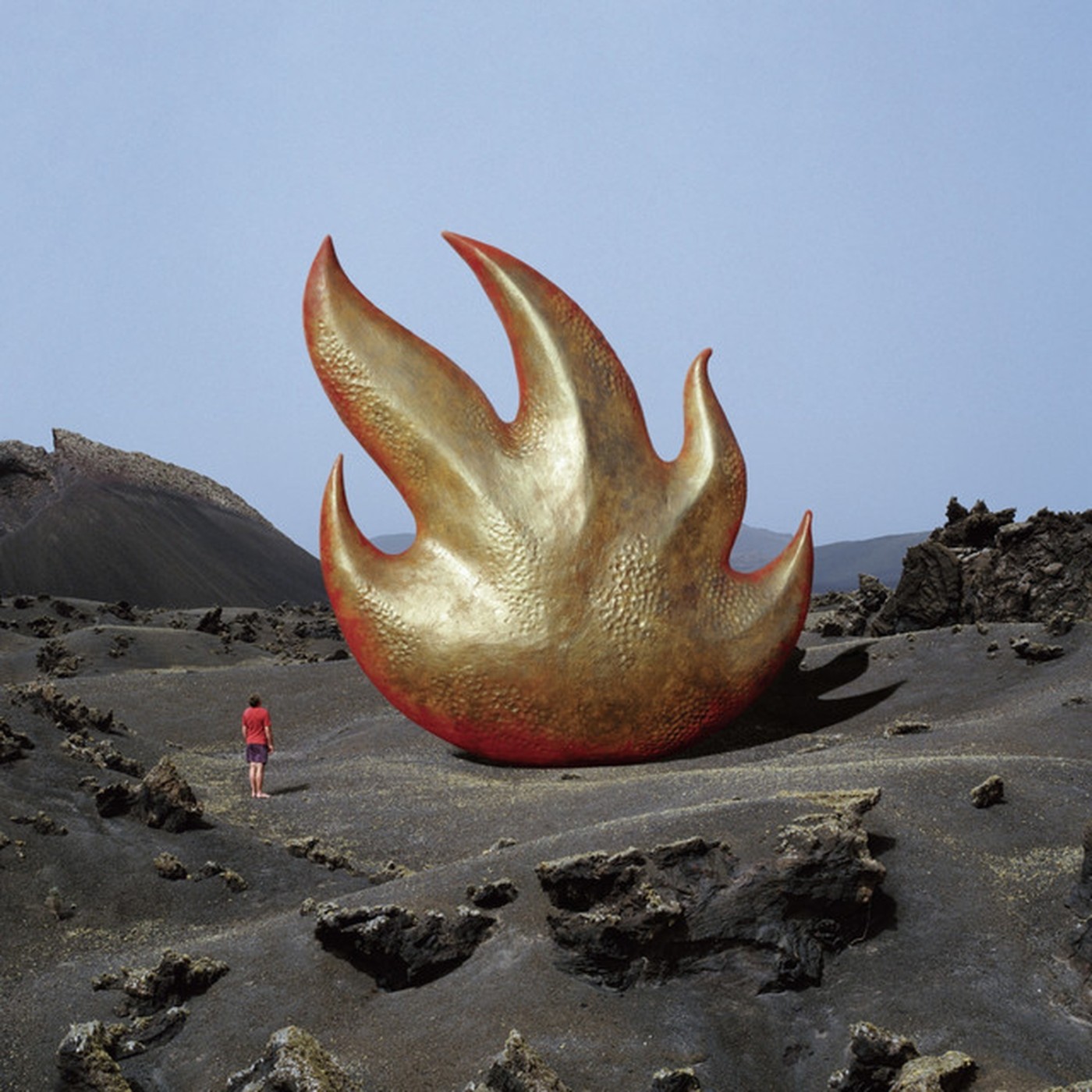
The End We bring ourselves individually and that's it. I mean, you know, I was the singer in Soundgarden and so there's that. We're Audioslave now. We're a rock and roll band that makes music and then we also have other interests and, you know, we can use the influence that we have as a successful rock band in any way that we want. I have no interest in telling other people what I think that they should do or how I think they should think. It annoys me when other people do it, really, and, you know, I don't think that that's my place. Are we on? It's on. We're on. We're on. Welcome, welcome. My name is Chris. I am Neil. And we are Riffology. Yes, we did it. We've never done that in our lives. It's like we're on someone else's show. Someone who's organised and knows what they're doing. We're doing Audioslave. We are doing Audioslave, yeah. And it's the eponymous album called Audioslave, which was their first thing. How did we get here for our fan? Oh yeah, last week because we did Rage Against the Machine, didn't we? We did. We did Rattam. Rattam. I've got that on vinyl. I don't have this on vinyl. No, no. This is an interesting time for releases because nothing was released on vinyl. No, no. So I remember when this album came out, I was working in retail, what's it called? Music retail. Music retail shop. Yes, I was working in one of those. In a shop. And this came out. And at the time, I was listening to things like Jeff Buckley. Oh yeah. I was listening to Smashing Pumpkins. You introduced me to Jeff Buckley. I knew Jeff Buckley, but I'd never heard Jeff Buckley. And now, it's an album I reach for fairly regularly. Yeah, that's interesting. And I found it really hard to engage. It's not my core music stuff. Was it one of our first ones of these? Or we did something with it at some point, didn't we? Yeah, we did. It was fairly early on, I think, in Riffology. Yeah, it was. But yeah, I remember trying to listen to that for like a week and just not gelling with it. And just like, I don't, I just don't get this at all. You know, you're just like, I don't. Like, there's a few artists who I've never, ever, like, gelled with at all. And it felt, I felt, oh, this is just not going to work. And then I put headphones on. And then it, oh. And then it was literally just like, oh, this sounds amazing. Do you know what I mean? And then it just hit me with it. You have to get in there. But yeah, Jeff Buckley was a bit, super weird. And it was like, it felt, do you know what it feels like now with Jeff Buckley? It's like them and us. Yeah. It's like, I feel like I'm, I feel like I'm in the circle now. Yeah, yeah, yeah. I get it. This was never like that. Audio Slave. Straight away, bang. But it was massive. This album just hit like a freight train. It really did. 2002. Bizarrely, do you know, the two release dates for this. You know, we talked about different release dates in the UK and the US. Oh, yeah, yeah, yeah, yeah. And around the world. And so you have different release dates. Can you guess what the two release dates were for this? Should I tell you, you were not going to know. Oh, I'm going to tell you. November the 18th in the UK. Right. Guess when the US was. November the 11th. November the 19th. After. What is that all about? Yeah. Why would you do one and one day and one the other day? That's weird, isn't it? It was 2002. The internet existed. Yeah. Not only did it exist. It was all right then. I mean, in 1995, a bit less. You know what I mean? 2002. It was there. You had ADSL and broadband and people were doing all kinds of unpleasant things online. Yeah. So I don't know why they chose to do this and two. That's bizarre. And Epic Records and Interscope Records did it. Yeah. Yeah. You're weird. Yeah. Very weird. Guess how long it is. It's a long one. It's got lots of songs on it and it's long. 14 songs, 65 minutes, 26 seconds. I would say it doesn't feel like it. No, it doesn't feel like it. It's a lovely album, this is. And none of the tracks are too waffly long. They're about five, you know, three and five minutes. And it's interesting, the big singles are fairly short. Cochise is fairly short. Show Me How to Live is fairly short. Like a Stone. Oh no, I Am The Highway. I Am The Highway was a signal. Oh, I didn't know that. All right. Yeah, that was a single. Five and a half minutes. Do you have a favourite song? Oh. Because mine's really clear. My favourite song on this record is absolutely clear. Oh, I thought you were going to say, I thought it was in general. In the world. In the world ever. No, no. It's probably for whom the... Everyone in the Bell Tolls. Bell Tolls, yeah. Yeah, that's your favourite ever song. I think so, yeah. That's interesting. I think it might be. Mine changes. You see, I can't pick one because my favourite song ever in the world ever is like You and Tattoos. Yeah. I mean, to be fair, mine does change. Yeah. But that will be... At the minute, it's Trusty and True by Damien Rice. Oh, you want... Because you want to do O, don't you? Yeah, I do want to do O at some point. Oh, I was going to say a great name for it. Just imagine someone saying, what do you want to call the album? Oh. All right. Because I just think there's a really interesting story behind that album. I don't know anything about that. He's an artist I do not know. Yeah. No. Well, he kind of keeps himself to himself. But I think this one, Trusty and True, is off a later album. Right. It's just... It's the best song he's done. I'm not familiar. I'm going to wait until we do that. Okay. Somebody I would love to get on the show is James Blunt. Yeah. But not... But mostly because he's awesome on social media. Yeah. He's just... I love the fact that there'll be a thread somewhere, like a random thread in social media space where people are slagging him off. Yeah. And he just joins in the thread. Yeah. He's just like, yeah, it's awful. It's terrible. I don't know. I just love it. And he's really quick with his very, very funny James Blunt. He'd do well on it. I don't know whether he would gel with us on the show, but... I think he would. I think he'd get it. I think he'd be right in there. I'd like him. And also, do you know what I like about him? I like his style. He dresses in a way, and I kind of think, I could wear that. Yeah, yeah, yeah. I mean, I wouldn't look like... You know what I mean? But you think... I look at him, and I think, yeah, he's a well-dressed man that's not trying to look like he's 12. Yeah. And I think he's nice. He has a green jacket that I like. Yeah, yeah. There we go, then. I've gone off-piste a little bit. I mean, that's... Yeah, we do that quite a lot, but that was up there, as the off-piste-ness goes. Yeah, we've got... So, yeah, this one. The one that got me about this was when it came out, there's this thing about it being a super group. For those that don't know, this is essentially Rage Against the Machine that's got Chris Cornell velcroed onto the side, right? Because Zach De La Rosa just left. I can't remember why. There was a reason he left, and I should know, and I can't remember why. But he was pretty like, I don't like where this is going. Not a big fan of where the band's going. So, off he went to do... And he did do some side projects and other stuff. And then Rage were like, well, what do we do now? What do we do? Yeah, where do we go? What do we do? And the most bizarre and unlikely story ever... Yeah. They ended up jamming with Chris Cornell. Yeah. And that's where Audio Slave came from. Yeah. And like you said, and we were talking earlier, everybody was expecting Rage Against the Machine. Yeah. Like, you literally, you're kind of expecting a... Rage with the Soundgarden singer. That's what you think. Yeah. Yeah, yeah, yeah, yeah. But it's not. Yeah. It's a totally different animal from both other bands. It's weird. It's way... I think it's way more commercial. I think it's way... It's way more... Definitely. Like, crafted songs. Yeah. Right, Rage Against the Machine was like really great riffs, driven, beat-driven riffs with that kind of aggressive, punky, like, stuff over it. And Soundgarden was kind of the same. It was kind of punky. Do you think it's Rick Rubin then? Do you think that's what Rick Rubin brought to this? Yeah, because he produced it, didn't he? Yeah, so Rick Rubin produced it. Well, he's like the matchmaker, wasn't he? He was, yeah. Yeah, yeah, he was. He kind of brought them together. Zach had left the band and we were kind of figuring out what we were going to do and we were still tossing around, maybe finding someone to sing for Rage Against the Machine. Rick Rubin was actually the one who suggested that we get together and, you know, Chris has been one of my favorite vocalists of all time. Rick came at us and said, why don't you jam with Chris Cornell? And then a rehearsal got scheduled to where we were going to go meet Chris Cornell. It was more than just, for me at that time, it was more than just, we get to, we get to be, we're going to jam with Chris Cornell, you know? That was, that in itself made my hair stand up. But then it was like, and Rick Rubin wants to produce it. And we don't even have any songs. We didn't want to do a project, we didn't want to do a one-off, we wanted it to be a band. First time we got together, we just jammed together and we decided, well, let's just try writing some songs. And I got there and figured, I'm going to know within 10 minutes. And within 10 minutes, I knew that it would be great. But I stuck in there for maybe an hour and a half and then they were ready to just keep going and keep going and I stopped and said, I think we can be a band. We wrote about 21 songs in 19 days and it was the most fertile creative period in our careers and it was awesome. We've been throwing around names, trying to come up with something that we felt would describe the music, that would describe the attitude of the band. The name Audioslave occurred to Chris Cornell in a vision, a shaman-like vision. We all love to make records, we all love to write music. Ultimately, it's for pretty outspoken people and the only thing that we really put ahead of anything else is music. I remember just kind of closing my eyes, putting my head down and playing and, you know, hearing that voice that is just so unique and powerful and all of a sudden he's in a room with me and it was actually really surreal. I've sort of come to the point in my life as a lyricist where I let it happen and I don't edit too much and I don't worry too much about conveying a specific message. I know how I feel about it, I know what it means and I tend to like to create lyrical environments that I can sort of mentally walk into or escape into. That's what I've always liked about music and I've always felt like the impression that a person gets from the music and the lyrics is what they get. That's what they own. How it makes you feel and the images that it helps you create are yours. It's weird saying this about Rick Rubin, about that commercial, because I mean, if you think about some of the stuff he's done, he did run DMC, didn't he? He did Slayer. He did. He's one of the reasons I think Slayer was successful, you know, because he, like all, not all of them, a lot of the other thrash bands at that time, it was, it was all just this kind of wall of noise and it just got faster and, and, you know, angrier. Yeah. And he was kind of going, it's, it's okay to, you don't have to be the fastest band ever. Yeah. Yeah. And what he also did in the production of Slayer, I mean, people will like scowl a little bit of this, but the production of Slayer is exquisite. Yeah. It's brilliant. Yeah. It's one of the reasons that made them really successful, I think. But there's space and it's, they're a thrash metal band and there's space in there. It doesn't feel like the guitars aren't tracked a million times and, do you know what I mean? And the, and the, and the vocals aren't tracked a million, it's, it's like this, I don't know, it feels like quite authentic. And I think the same is true of this. Um, I think the thing that hits me with this record against a lot of that grunge scene, a lot of those, um, you know, those, those, uh, albums that came, came through. Um, it's not thick and like, you know, I mean, it's quite tight and dry places. It's almost, uh, production wise is like the, the guitars feel a little bit punky to me. They feel quite dry. The kit. Everything's dry. You've got a bit of room on the kit. Yeah. The kit sounds delicious. The kit's got this lovely kind of space to it. And it's like, um, yeah, again, it's one of those, I, um, I managed to, for, for those listeners that have been following along, I broke my headphones a long time ago. Um, and I need, I need my, my mate Phil's got to mend them for me, but, um, I managed to get them working for a little bit this week. Dr. Phil. Yeah. Um, but I managed to get them working a bit this week. For how long? Yes. About a little bit less than 20 minutes. Um, but the sound, this album, I, I had forgotten how good this sounded. Oh, the sound, the sound, I think it's one of the best, there we go. Here's, here's a statement. I do this quite a lot. I think it's one of the best sounding albums ever created, rock albums. Oh. It's one of, it is, you don't, you don't get much better than this in terms of the sound of the, you know, just where, the, where everything sat, where everything is in the mix. Nothing feels out of place. Nothing feels like crazy. Everything is exactly where it's supposed to be doing exactly what it's supposed to do. And I think that's Rick Rubin, you know, that's, and, and obviously a very good mix engineer, but, but, you know, that's, that's a visionary, that's a visionary producer who just gets the sonic identity of a band down without trying too hard. I, I do think Rick Rubin is, he's a wizard. He's just a really interesting dude, isn't he? Yeah. You know that? Yeah. Cause he, he doesn't, he doesn't know notes, doesn't know, no idea, can't speak music, no idea, but he's just, doesn't know probably the tech, technicals, doesn't know anything about that. Doesn't he, can't even work a desk. No, no. He's just like, he's just like, I like, I like this to sound bigger or smaller or, and then, and it's just weird, isn't it? That, that confidence in his, I saw him give an interview where he said he's, um, his skill is confidence in his taste. Yeah. And you think, oh, you just sound like a bellend, right? Do you know what I mean? You sound like somebody I don't want to, you know, I don't want you in the show. I don't want you coming in our studio and talking about that. I don't want you talking about your taste. I don't just get out of sunshine. Um, but there is something there where, you know, I mean, you, you, I mean, you've done this and I've done this and, and, you know, you've, you're, you're trying to create something. You get so close to it. You kind of lose perspective on what it is and where it fits and having somebody with you that is confident enough to kind of say, this sounds crap. Do you know what I mean? It does not sound good. Or, you know, you told me you wanted something that's commercial and that doesn't sound commercial. You need to make that commercial. It needs to be, you know, and add those, add those, those things to it. Yeah. The band, of course, having written a lot of songs together and then having a new guy who, who was influencing those songs was really ready to, for a pretty big change. I just remember being in a studio for hours a day and not getting tired, not getting bored and, uh, sort of an outpouring of, you know, four souls making music. We began to get this feeling of this real confidence, uh, in that rehearsal studio when we're writing those songs. It started the process of really kind of blowing the whole thing open. I'm wondering how our record is going to sound when we play the entire record on stage. These are songs that deserve to be rocked live. When we listened back to our record, we thought that we had made a record that was at least as ambitious as some of our favorite records. It's one of those dream band situations that a musician thinks about. Like, wouldn't it be great if I just met these guys that I get along with that are on the same page as me musically and it seems to be just effortless to write a bunch of great songs. From, you know, the first time that we jammed, um, there was a chemistry between the four of us that was there and that is not an easy thing to find. You can find someone who's great, but when you put them in a situation, if the chemistry is not right, it's not going to be good. And so I feel very fortunate that one, we got one of the greatest singers and two, the chemistry worked. All that together at that moment made me breathe a sigh of relief, you know? And I was like, wow, there is, there's a future here that's pretty bright. And so, yeah, as much as it's easy to abuse Rick Rubin, um, I've heard tons of clips of him talking about like the creative process and how it works and, um, you know, that it's as much about the space and as much about the atmosphere you create as anything else that you do, right? So this concept that, um, you know, the, the, the, the space that you create to go and be creative in influences the, the, the sound of the room. There was a band. Oh God, I've forgotten the name of them now. Um, what, where did the blink one, eight, two, the blink one, eight, two man. Yeah. And I've forgotten his name as well. This is, this is going really well. Tom DeLonge. Tom DeLonge. Yeah. What band did he go into? The space, he did like a space rock band. Angels and Airwaves. Angels and Airwaves. Yeah, yeah, yeah. And they, um, I remember reading about this and they quoted, um, Rick Rubin, but, um, so, uh, they, in, in the studio that they built, there was black, all black walls, black everything. And they had like stars and space stuff all around the walls and on the ceiling and everything. To create the vibe. And when they, when they were jamming, they would switch all the lights off and just be in, like they said, they wanted it to feel like they were in the universe and feel like they were there. So it was all kind of super dark and stuff like that. But that will change how you play. Yeah. And it will change how you play. They said it kind of changed their, um. My guitar teacher did it. Yeah. And, um, didn't touch me in three ways or anything. I can't imagine you having a guitar teacher for some bizarre reason. Um, it was, it was, um, it wasn't really, yeah, they weren't really lessons. They were like, they were like if Rick Rubin did guitar lessons, that's what they were. So I used to go around to his house. Yeah. And we used to go upstairs. He had two big Marshall stacks. Yeah. And a load of SGs on the wall. Yeah. And we'd just pick up an SG. Yeah. We wouldn't really talk. Yeah. And then we'd just play for an hour. Oh, wow. And, like, stuff would happen. Yeah. You know, and it'd be almost like weird, like, jamming. Yeah, yeah. And I'd watch him do something and I'd try and pick it up and play with that. Oh, wow. So it was really, like, a very weird cathartic. So you're not, like, kind of learning where, like, chords are. No, no, no, nothing like that. It was, it was nothing like that. That's really cool. Yeah, yeah, yeah. It was, it was like. Maybe it was Rick Rubin. Yeah, there was a guy called Dumpy. You might remember a man called Dumpy's Rusty Nuts. Oh, yeah. Yeah, Dumpy was my guitar teacher. Only you could be taught guitar by Rusty's Dumpy Nuts. Yeah, he, yeah, lovely man. Yeah. But just really kind of, yeah, just, we just jammed, we jammed rock and roll and, you know, I learned to play by watching him, basically, and copying what he did. But I think that's, I don't know, there's a, there's a lot of this, this record that you can sort of tell it's being constructed by feel, and there's almost, like, craftsmanship in the songwriting. Yeah, yeah, yeah. It was very important to me that the music that we make and the lyrics that he writes, that it's honest. I think that's when music is most compelling, and I think that Chris is a great lyricist. He writes from a more personal, haunted, like, almost existential point of view, which I think is really compelling when combined with the in-your-face nature of a lot of the music. Chris would kind of sit there and, you know, be looking at the ground, and at first we're like, what's he doing? And then he would stand at the microphone and sing the song. On a cobweb, afternoon in a room full of emptiness, by a freeway, I confess. I was lost in the pages of a book full of death, reading I will guide along, and if we're good, we'll lay to rest anywhere we wanna go. We'll be right back. We'll be right back. We'll be right back. We'll be right back. Long to be, run by run, patiently, I'll wait for you there, like a stone, I'll wait for you there alone. Long to be, run by run, patiently, I'll wait for you there, like a stone, I'll wait for you there, like a stone, I'll wait for you there, like a stone. To a place I recall, I was there so long ago, the sky was bruised, the wine was bled, and there you led me on. Long to be, run by run, patiently, I'll wait for you there, like a stone, I'll wait for you there. Long to be, run by run, patiently, I'll wait for you there, like a stone, I'll wait for you there, like a stone, I'll wait for you there, like a stone, I'll wait for you there, like a stone, I'll wait for you there, like a stone, I'll wait for you there. Long to be, run by run, patiently, I'll wait for you there, like a stone, I'll wait for you there, like a stone, I'll wait for you there, like a stone, I'll wait for you there, like a stone, I'll wait for you there. Long, long to be, run by run, patiently, I'll wait for you there, like a stone, I'll wait for you there, like a stone, I'll wait for you there, like a stone, I'll wait for you there, like a stone, I'll wait for you there. Long, long to be, run by run, patiently, I'll wait for you there, like a stone, I'll wait for you there, like a stone, I'll wait for you there, like a stone, I'll wait for you there, like a stone, I'll wait for you there. Long, long to be, run by run, patiently, I'll wait for you there, like a stone, I'll wait for you there, like a stone, I'll wait for you there, like a stone, I'll wait for you there, like a stone, I'll wait for you there, like a stone, I'll wait for you there, like a stone, I'll wait for you there. And on our end, until the day was gone And I sat in regret, of all the things I've done For all that I've blessed, and all that I've wronged In dreams until my death, I will wander on In your house, I long to be Room by room, patiently I'll wait for you there Like a stone, I'll wait for you there Alone Alone He's a poet, and he fooled me with a lot of the songs in that, like a song like, like a stone, I thought it was a love song. The chorus is, I'll wait for you there, like a stone, I'll wait for you there, alone. And I was like, well, yo, bro, what are you waiting for? And he's like, waiting to die. And I just went, oh, okay. That changes everything. I went back and looked at the song, and I, I be, I got kind of saddened by what he's singing about Is like a guy waiting alone in a house of death, and all his friends are dying, and he's just waiting there And I'm picturing this man in a rocking chair, like waiting to die It just, it changed everything for me, and that made me go back and look at all the songs And made me go back and look at Temple of the Dog songs, and Soundgarden songs, and everything And I started going, okay, I get Cornell now, and he's a genius He, he fooled me for, for 15 years, you know Where I maybe thought some of the things that he was singing about were slightly trivial But they're never trivial, he's deep He's really deep So while, while we're here, I think it's important for us to discuss your, um What? Your, your, your ongoing vinyl addiction Right, I'm, I'm not, I'm not admitting to that Do you know when I last bought a record? Today No! I nearly did, I wanted, I nearly bought British Steel today I listened to British, I love Judas, Judas, that Judas Priest album, British Steel Is, that was one of the albums that like, turned me on to rock music Wow, right It was that one It was the gateway Yeah, it was, there's a track called Living After Midnight Yeah And, um Which we've definitely played on an older incarnation of ourselves Oh, yeah, yeah, yeah, yeah, there's no, there's no way whenever we get, whenever there's an opportunity to play like old, like, 80s metal Yeah That's straight out There's that, and then Back in Black Yeah, yeah, yeah, yeah You know, there's a bunch of albums around that time, which is mega Anyway, I listened to that this morning And then, like, you know, you're listening to it I was cleaning the kitchen, and I was listening to that, and I was kind of like, screaming away And then, I was just like, this album's the best album ever And then, I sat down and opened, opened my phone, do you know what I mean? And I'm like, straight on British Steel vinyl And then, but I didn't, I didn't You pulled yourself back from the edge I did I did The last, the last vinyls that I bought Oh God, I've got, and they're pre-orders Yeah So I've pre-ordered Death Symbolic Yeah Which is, that has not a spin-out of press for forever Yeah Death's back catalogue is mostly earache Oh, okay And so it's dead easy to get Oh no, Reprise Yeah Oh, yeah, yeah, Reprise I think I might get confused I think that they're, most of their back catalogue is Reprise Yeah So there's like tons of vinyl, and it's all splattery and lovely And you can go and get it wherever you want And it's like 20 quid Yeah, yeah, yeah It's really easy And then, Symbolic is Roadrunner Right, right And just can't get it Impossible to get hold of Impossible to get hold of And they're doing a repress of it Yeah And as soon as I saw it, I'm just like I'm having it, I'm having that So I ordered that And I've also ordered Carcass Are doing the first six albums Yeah But it's one of those weird It's one of the, Earache do these weird things Where they put, they put it up to say we're gonna do it And they show you the designs of it all Yeah And then they only actually run to press Yeah When enough people have ordered it Yeah, oh that's clever That's good So it can take like a year They take you money immediately obviously Yeah, yeah, yeah So they're like, give me the money And then But it's not cheap to press vinyl No So from a commercial perspective That makes a lot of sense It's not, and some of them They're If you, because you, you know You're spending thousands Just getting the thing ready to go I kind of feel like it's a bit of a rip off sometimes And they just, do you know what I mean? I feel like they're just doing it to go and get money out of people Yeah Reader's Digest Yeah, there is a bit of that But I think The, the Carcass one The, the, the first couple of Carcass albums had unpleasant covers Yeah So they were like, you know, covers that you just couldn't get away with today And they've both been repressed with more pleasant covers Yeah To, you know, to appease people Yeah, yeah, yeah And the thing I really loved about this block set is it's got the original artwork on there Okay, yeah, yeah, got it And there's some, you know, you know what I mean? I don't, I don't think you should be allowed to change stuff Yeah As an artist, once you've, you've decided that's the cover You've decided that's the music you're going to put out Yeah And it goes out You don't get to change that No That's it, it's done No You know what I mean? And you, and you know, you couldn't say I'd, I would have preferred to have done that Yeah, but you don't get to change that, right? Once it's done And so for me, there's, that's hugely appealing That, that they're going to do that, which I like And I haven't bought much else other than that No, no I don't think, really Oh, I got Skid Row's debut album An original, I found, I was in a record shop And I found an original copy of Skid Row's debut And you've got to buy that That's the law It's in law I even went in Ireland I went, I went around some record shops while I was in Ireland Yeah And I didn't buy any I found some lovely things It's this lovely smell to old vinyl Yeah It's the kind of lovely cardboardy smell No, I didn't, didn't buy any Didn't do it No, I'm, I'm, I'm incredibly well behaved at the moment To be fair, the beginning part of the year I've got quite a lot Yeah I did buy a lot Yeah So it balances the cell veil Yeah Yeah It does, yeah It's like you and guitars You know when you just like I don't even have any guitars I haven't got any No, non-guitars Non-guitars anymore Yeah, keep looking at the minute I'm looking at stuff Yeah Don't need it No Don't need any of it The thing is I've got a really lovely guitar that I like I haven't got any of the other ones I, and I'm not sure this was the intent, right But while I was in Ireland working Somebody gave this talk And it was like how many weeks you have to live Do you know what I mean? So it shows you But it's a physical thing Imagine like a, like an A3 poster With little black dots Little clear dots on it And then it kind of It was kind of like you are here Yeah And it kind of visualises your entire life Yeah And it's kind of like you're here You're probably going to die here Yeah You know, this is, this is where you are Yeah And the first thing that I thought was Might as well buy records I think it was, it was meant as like, you know You're supposed to like, I don't know Just meant to make the most of it Yeah, seize the day Yeah Yeah Buy records Buy records, buy guitars I think that, um, Keanu Reeves I don't know whether you see Keanu Reeves on the social media No, no I've seen everyone saying he's the nicest guy in the world I don't know That's going to come and done at some point Yeah Everyone thought Dave Grohl was the nicest guy in the world I don't know whether he's the nicest guy in the world One of the things I love about him He's, he's just like Look, life's really short So if you're spending your entire life Like punishing yourself for something you think that you've done Or because, you know, you, for whatever reason Stop, you know, go and, um, you know If you, if you like baking, go and bake If you like painting, go and paint If you like, you know, make the time to do this stuff Because you're not here for very long I've got sourdough bread Yeah, have you? I've got sourdough starter Have you? I've got given some Doesn't that take like seven years to make? Yeah, yeah, someone gave me some So I'm going to make some What, in lockdown? No, no, no Everyone was baking sourdough in lockdown Yeah, yeah, but it came from that Like, I was into it And then there's some One of my friends said this week Yeah Like, oh, here you go Here's a sourdough starter Here's a sourdough starter That someone gave me in lockdown For age For age I'm very happy about it, really I, I, yeah But it's that kind of thing, isn't it? Yeah, I'm going to make sourdough You can have sourdough, can't you? I think, yeah You can have sourdough You can have sourdough, can't you? Yeah, yeah, I think so Yeah, I'll make some sourdough then Brilliant We'll do that Yeah, we'll have it in here We'll eat it live We'll have it in here, yeah, yeah But anyway, the Keanu Reeves thing I really liked And he was like, you know what? If you, you know, you have to make a bit of time for you Because if you spend all your time, you know, saving for things And, you know, not doing things You know, you never know when it's going to be your last day You never know this stuff So, you know, be nice to people Yeah Be nice to, you're, you're, you're a person as well Yeah And you need to include that And I thought it was really nice It was this kind of lovely, like, I guess, non-religious way of Just saying, look, just be nice to people But remember that you're a person as well Yeah, yeah, yeah If you, you know, but he was talking about it in terms of motorbikes Yeah So, like, you know Well, because he's got his motorbike brand, doesn't he? Yeah, he loves motorbikes And he's just like I can, I can get him with it I think he's a good, yeah Yeah, yeah, I like motorbikes as well I'm a big fan of that Like you say, I'm sure, I'm sure something will come out of the closet And we'll all have to not like him Like we not liked Dave Grohl Are we allowed to like Dave Grohl again? Yeah, it's fine It's gone, it's gone Is that all right now? Yeah, yeah, do another album, it'd be good Do another album Get another album out Yeah I do, I do miss when we were able to decide who we liked and disliked ourselves You're not allowed to anymore, are you? Now you get told You get, literally, you get told And if you have a variant of that opinion Yeah Then everyone unfriends you Then everyone doesn't like you anymore Yeah, that's it, yeah, yeah, yeah You're just like, that's it, you're not allowed to The world's a weird place, isn't it? I think we've lost the ability to communicate Oh yeah With anybody who's got a slightly different opinion Yeah I just think it's not You see it on, I said we had a lovely thread today on X Where a friend of the show posted something about an album he really liked And said this, I think this sounds like Skid Row Yeah And I said, actually, it's a really cool album Never heard of it before, never heard of the band before It sounds really cool But I think it sounds like Halloween And he said, oh, I'm not a big fan of Halloween Yeah And then, and then we all just started posting memes Like, like, like, what? And it was lovely, do you know what I mean? Yeah, yeah, yeah No abuse, no, well, I mean a small amount of abuse But it was such a lovely kind of thread Yeah, but crack though, isn't it? It's having a crack, yeah, yeah It was lovely, it wasn't just like, oh, you don't like this band Oh, I don't like you Yeah, yeah, yeah It was just really funny and I, I liked it Your mum is the devil, all that Yeah, yeah, it was just, I don't know, I like, I like that And I think we've lost that ability a little bit Yeah To disagree with each other and still be friends Yeah Because I don't think, you don't all like the same stuff No And I quite like Dave Kroll Yeah Am I allowed to say that now? Yeah I never really didn't like him It was all right, wasn't it? Yeah It was all right? Yeah I mean Yeah Yeah Anyway Wait, what are we doing? It kind of links, because there was an interview earlier that I put on And I was editing it going, it doesn't really fit Which bit? Which interview? This is a Seattle interview Oh, because we're doing Audio Slave, aren't we? Yeah Yeah And Yep, I'm with you Yeah And there's a talk about Seattle Yeah Within that, it was part of that It was a great interview And I was like, I don't know if that kind of This is like the tail end of the Seattle scene, right? Yeah, this is Yeah, yeah, yeah So this was like, this was Seattle was a thing It was Yeah It had been I mean, what was happening 2002 I'm trying to think what the biggest I'm looking in my blog to see what else was released in 2002 While you're doing that, we'll play the interview then And then we'll come back to it If I had any regrets about My participation in Soundgarden And anything else I did musically In the 80s, 90s Was just that I drank a lot I was like a high-functioning alcoholic I was the guy that was always on time I was the guy that always made sure things got done And that we were doing what we needed to do You know, I was very responsible But I was also drinking all the time And so I have this kind of memory of Always being hungover, really Not always being drunk or being happy Those periods were in there But when it came to being creative I remember that as being an obstacle all the time Seattle had been this isolated provincial little petri dish of art and music that was allowed to kind of grow And because nobody cared about it By the time the idea that there was a Seattle scene started reaching outside of Seattle All of the Seattle bands that we all know of as being part of that scene, we were all out touring So by the time the scene was internationally known, it didn't really exist in that way anymore And people from Kansas and Nebraska were driving to Seattle and living together in a small studio apartment to start bands in Seattle the same way that they would in a couple years before that go to the Sunset Strip Soundgarden was the first band to be approached by major labels in Seattle And this predated Nirvana and it predated Pearl Jam and it predated all of it It wasn't really an overnight success for anybody, certainly not Soundgarden There was a little bit of an uncomfortable transition that I think all the Seattle bands had, which was, it was anti-commercial It was anti-every institution that supported commercial music as well If you remember when Kurt and Nirvana were on the cover of Rolling Stone, he was wearing a t-shirt that said "Corporate magazines still suck" I thought, well that's great that he wore that and they put that on their magazine But he also showed up for the photo shoot and did the interviews and agreed, you know, wholeheartedly and happily to be on the cover of Rolling Stone magazine So, how is it that, in a sense, he's not sort of tearing himself apart doing the same thing and we all kind of had that crisis of mind And, you know, Kurt shooting himself was probably in that, to the extreme We came off stage and were about to go on for the encore and I think the bass player, Tad, came in and told us He was just kind of barged in and was emotional and started talking about the reports that they had found Kurt But they weren't sure if it was him or not, but it was, you know And we all got very emotional, it was very surreal, we weren't home, we weren't around any people we knew I guess in a sense, we could all take solace in the fact that, especially Soundgarden, that we were sort of born from this idea that we played kind of dark Moody music and our identity, which in a sense kind of was a band that created the soundtrack for that weird, that type of weird, awful scenario And with the early dawn, moving right along Couldn't buy a knife full of sleep And in the aching night on the satellites, I was not received I feel a whistle and apart, a telephone in my heart, someone get me a breeze To put my mind to bed, this ringing in my head Is this a cure, or is this a disease? You gave me life now, show me how to live And in the afterbirth on the choir, let these things remind you You thought you made a man, you thought you made a man You better think again, before my role defines you Mail in the afterbirth on the choir, let these things remind you Mail in my head, for my creator, you gave me life now, show me how to live Mail in my head, for my creator, you gave me life now, show me how to live And in your waiting hands, I will land And roll out of my skin And in your final hours, I will stand Ready to begin Ready to begin Ready to begin Ready to begin Ready to begin Ready to begin Ready to begin Ready to begin Ready to begin Ready to begin Man in my head for my creator, you gave me life now. Show me how to live. Man in my head for my creator, you gave me life now. Show me how to live. Show me how to live. Show me how to live. Show me how to live. Show me how to live. So we're going to Seattle then. Go on then. We'll talk about Seattle and then we play the interview. Yeah. And then we're going to talk about the relevance of that. Oh no, I know what we're going to do. Because the whole point of having that section in was to talk about where we're going to go next. Oh yeah. That's well, it's interesting, isn't it? Because Chris Cornell's played in all the bands. Yeah. He's like you. He's been in, if there's a band, he has been in it. When we talked about doing this, Lindsay got in touch. Yeah. And she said, after she listened to last week's show about Rage, where we talked about doing Audio Slave, she said, you should do Temple of the Dog. Oh really? And I thought, that's a really good idea. Yeah. Because this is, I think this is kind of at the tail end of that Seattle scene. Yeah. And then Temple of the Dog is like. At the beginning. Yeah. And then that flows into. To Soundgarden and all those other different ones. Pearl Jam and all of that stuff. So, so yeah, I thought that would be quite, quite a cool thing to do. That kind of flow to, we'll do this one. Yeah. Which, because we've done it. And then. We haven't yet. You see, we're not the end yet. That's true. Yeah. It could go wrong. But then I think for next, we should do Temple at Dog. Temple at Dog. Yeah. Because that's, I think that's really interesting. That was, that album was Chris Cornell. It was a tribute to his friend, Andrew Wood. And then he was a singer in Malfunction and Mother Love Bone. Okay. Yeah, yeah, yeah, yeah. And then, um, there was a bunch of people who got involved in that, in that, that basically rolled into, um, uh, uh, Pearl Jam. Yeah. Which I think is interesting. And like, uh, uh, Eddie Vedder actually did some backing vocals on, uh, Temple of the Dog. Okay. So that, that's the real kernel of Pearl Jam. Yeah, yeah, yeah. And I think that'll be a really cool thing to do. It's almost that, um, oh. It's a melting pot then at the time. Yeah, yeah. It's not the inception of it, but I think it's quite a nice, um, I don't know. It's just, it's just a nice flow of, of albums, I think, and people and stories. And then, um, yeah, it's nice. I think, um, you know, we did the same with, uh, like, uh, Sunset Strip. Yeah, yeah, yeah. Yeah. In LA when we talked about a bunch of those bands and how that progressed, you know, that was almost a decade scene. Um, and I think the same is true of Seattle to some degree. I think that kind of 92, 2000-ish, you know, it was, it was huge. And then it, you know, then the world moves on, right? Yeah, yeah. Yeah. Like a different set of, um, different set of music happening. Um, but yeah, I think that'd be quite nice. Yeah. Go back to do Temple of the Dog. The other thing about, about, um, thinking about the tail end of this and the audio slave thing. Mm-hmm. So they've been through that time of, of, you know, being, being young and in bands and doing that, you know, probably late teens, early 20s. Yeah. And that wasn't early 90s. Mm-hmm. This is 10 years later. Yeah. Yeah, yeah, yeah. So at this point, they've got families. At this point, life's, life's very, very different for these guys. I think for Timmy and I, we wake up and we worry about our, our children and our families and do things just like anybody else that has family. You know, it does. In my house, I'm the dad and the husband and, you know, no, no, doesn't make any difference inside that little world and taking care of your kid, waking up with your babies. You know, it doesn't matter. You know, you can be like the first man that ever walked on the moon and the process is still going to be exactly the same. And that goes for songwriting too. I mean, it doesn't matter how many records you've sold, how famous you are, how big you think you are. But when we're in a room like this writing songs, that sh** doesn't help you. Do you know, I saw an interview this week with some of the guys from Poison. Oh, okay. Yeah, yeah, yeah. And, and, and the reason it springs to mind is because, uh, uh, they were talking about, uh, like solo projects and why bands do solo projects. Yeah, yeah, yeah. And, um, what, so Brett Michaels, who's the, the lead singer, he does a lot of solo tours. And in the interview, they said to him, what, what's the deal with Poison? Why are you doing this? And he's like, well, everybody's got families and children and stuff. And he said, trying to arrange, just getting everyone in the studio at the same point of time is really hard work. Honestly, I can't tell you. It's difficult. We've got jobs as well. You know what I mean? But he said, like, as a, as a, um, as a solo artist, I get, I get to decide. Like, I'm just like, I'm, we're going in the studio here. Yeah. And if somebody who's like in the band can't make it, I just get a session musician. Yeah, yeah, yeah. You know what I mean? It's like, you're either coming to play or you're not. And you can't do that with a band. No. You can't just suddenly turn up without CC Deville or, you know what I mean? And he was just saying that it's not that I don't want Poison anymore. But when we were younger, the band was the only thing that mattered. And that was the only thing. So, you know, when, when there was studio time or when there was something happening. Yeah. Everybody came because that was that, you know, the energy was there for everyone to do that. Yeah. And he said, now it's, it's just not. So it's like, you know, um, if it feels like you're just like, you're pushing like water uphill. You're just kind of constantly trying to get things, get everyone together in the same place. That's hard. You know, by the time you've got everyone in the room. Yeah. You're exhausted. Yeah. Yeah. Yeah. But I just thought it was really interesting because sometimes you see that and you see people do these solo things and you just think, yeah, what, yeah. Why do you not do? Yeah. I mean, nobody wants more Bret Michael solo stuff. Yeah. People want Poison. What's the deal? Why? You know, and it's, I'd never heard anyone say it quite so articulately before. It's just too, it's just too, it's just too hard. And I think also, um, I heard Anthrax, uh, uh, we're talking about this stuff as well in the fact that they, like the, the songs all get written like just with two people. Charlie Benante and Scott Ian write the, write the music. Yeah. Well, Charlie Benante writes all, writes all, I mean, he's the drummer. He writes all the music, all the guitar parts, everything. Then he brings Scott Ian over to do some more guitar work. Yeah. And then they get, and then they share that, get a studio together and get everyone together. And, and he was just like, it's just too difficult to get everyone. It's not that I don't want everybody there because that final push is brilliant and everyone comes together and that's when the songs really take shape. Yeah, yeah, yeah, yeah. But it's just too hard to get everyone together these days because they've got, you know, they've all got kids in school and, you know, whatever else to deal with. And so it's weird, isn't it? Grownups. Yeah. When you, when you're a teenager, you could do what you want. Yeah, yeah. And then when you're 40 and you've got kids in schools and all that, it's harder to go and just do what you want. Yeah. Anyway, that's what we're going to do next, Temple of the Dog. That was a bit meandry, wasn't it? That's a bit meandry enough. Yeah, I think it's good. I think we're all right with meandry. You know, we, we, you, well, we could just waffle on about washing powder and you'd still be like, yeah, it's great. It's fine. It's just the greatest podcast ever. It's got loads of listeners. Doesn't it? All over the world. People tuning in. People tune in. People do. Listening to us waffling. Yeah. It's lovely. It's nice. It's, I think, yeah. It's one of those things where my friend asked about podcasting. He was saying, how, yeah. How's it doing? How many millions of listeners have you got? So, well, we've not got enough that we need like an accountant. We've got enough that we do it every week. Yeah. Yeah. And it was really funny. He kind of said to this, he gave me this, well, why'd you do it then? Oh, honestly, so many conversations I'm having at the minute. Yeah. I like that going, well, you don't, you don't make any money from that. Yeah. No. Why'd you do it then? Yeah. Well, it's a good laugh. Just do it. Get out of the house. It's like, it's like being in a pub, but like with no other people. It's like a really quiet pub. Yeah. But it's weird, isn't it? Yeah. And also, I was a bit, I was a bit, I don't know, I don't know why, I don't, why do you mean, why, I mean, why'd you do anything? We're just doing it now. That's it. Why'd you do anything? Yeah. Do you know what I mean? Or are you saying you don't do anything unless you get. Paid for it, yeah. Loads of money for it. I just thought it was a bit bonkers. Anyway, as of now, we're going to start selling hoodies. I keep wanting to do that, you know, I keep, and I will caveat this, it's not to make money. It's just because I had this like vision in, this kind of vision of our logo on the front of a t-shirt and then on the back, quotes from famous guitarists talking about riffs. Yeah, nice. And about how they write things. And I found tons of these quotes from like just, you know, monumental guitarists talking about how they think about writing riffs and stuff. Yeah. And I thought, I would like one of those. Yes. You'd pick like your favourite guitarist and then you'd have like the Riffology logo on the front. Yeah. And then on the back, it would just be, you know, like a quotation of your thingy and then, you know, the back, the back, the back, the back, the back, the back. It's just my life. Yeah. John Bovee. Yeah. But that, do you know what I mean? I'm having that on a t-shirt. I think, I think it would be great. And then, do you remember the last time we did t-shirts and we, we made a loss on every, every, every t-shirt we sold cost us a pound. So that's, that's how awesome. Oh God, it's got me. That's how good we are in business. That's how good we are in business. That's the kind of business we, we are. But anyway, we might get around to that one day. If you, if you'd like to, if you'd like us to buy you a t-shirt, get in touch. Oh dear. I was going to say something then, really profound. What was I going to say? No. Oh no, I remember what it was now. Sorry, for the listeners, we've just had five minutes of, of, of unplugging and waffling and, with faffed, because we spoke about that last week, didn't we? How, how much we faff? We do faff quite a bit. Yeah, so we just had a faff, but you won't notice this because of my editing skills. Have you, have you deleted the faff? Yeah, yeah. The bit I wanted to talk about was how I can listen to Tom Morello speak all day. He's really articulate, isn't he? He's so good in interviews. Yeah, I think he's fantastic. There's one more that I wanted to play. Yeah. Interview wise, but it wouldn't fit anywhere else. But I want to put it here because I like listening to Tom Morello. You're just going to stick him in the end. Yeah, yeah, yeah. Yeah, that's nice. What we did when Rage broke up was we went over to Rick Rubin's house, Tim and Brad and I were like, what are we going to do? And we listened to Bad Motor Finger by Soundgarden a lot. And we said, maybe we should talk to that dude. It was an interesting beginning because while, particularly like the song Slaves and Bulldozers, Bad Motor Finger, it was hugely influential on me. And I think that Soundgarden, Chris Cornell in particular, helped redeem hard rock music in that fans like me, who I love big riffs, I loved heavy riff rock music, but a lot of times I could not relate to the lyrics, which were either about the devil or groupies, neither of which were significant to me. But Soundgarden, along with a couple of other bands, like Chris was smart and you could tell and he was poetic and he had like this kind of dark poetry that connected on a level that felt, but he also unapologetically embraced the big riff rock. So anyway, so Rick and I decided we're going to go talk to Chris and see what he thinks. So Chris lives on the last loneliest castle in Ojai. Like it's an hour and a half outside of LA. And Rick Rubin, like at the time I'm driving, still being punk rock, I'm driving my 1985 Chevrolet Astro van. And now Rick doesn't leave the house unless he's in a Rolls Royce that's in another Rolls Royce. He must be serious about this because he gets in my van to go. So we drive up there. And the one thing about Chris's vocals and his lyrics, there's a, there's a spookiness to them and there's a sort of a darker side to them. And so I don't really know what he's going to be like. So we drive up there and he, and we're, you know, it's in the darkening, it's dusk and we're kind of these tree lined Transylvanian like streets. And we get up to the top and there's Chris's kind of spooky mansion. There's some motorcycles out front and there's like the long sort of traipsing staircase and Rick and I pull up and, and the doors, you know, the doors open straight up Adams family style, like with nobody opening the doors. And here comes Chris six to a frame, dark of countenance. And he comes kind of slowly loping, you know, down the steps. And Rick turns to me and goes, let's get the fuck out of here. Like our souls are in peril. Fortunately, we did not. It was that scary. It was weird. It was like, it was like, Hey guys, Hey guys, come on in, you know, have, you know, have a, have a cider. Um, but fortunately we did, we did persevere and, uh, and I was in a, you know, a band, uh, you know, those, those three audio slave records. And while Chris was a friend and while Chris was a bandmate, I never stopped being a fan of his and his ability to craft melody out of the ether. You could throw it with it, whether it was a, you know, a few simple chords, like the song, like a stone, or whether it was some complicated, you know, heavy riff, he would effortlessly create something that was either beautiful or terrifying, um, you know, and his, his strengths were with melody and it really challenged and pushed Tim and Brad and I, you know, like the music of Rage Against the Machine is James Brown bass. It's all comes around to the one, you know, it's like, it's the same driving beat and the same driving rhythm that comes around because it's rapping and it's, it's like the excellent punk rock vocals of Zach with Chris in order to allow him to shine, there had to be this kind of harmonic counterpoint. So it really, you know, like that song, Like a Stone was, you know, it's, it's a few simple chords, but allows Chris's beautiful voice to soar. Yes, I do. I like listening to him speak. He seems like a very nice man. He is. He's very, um, I mean, he's a Harvard grad, isn't he? Is he? Yeah. He did a politics degree. Oh. And yeah, he's, he's an interesting guy. I think. I think the lads from the struts of May hung out with him and stuff. Really? I think so. Yeah. Yeah. Well, they, they were hanging around with everyone in the States, weren't they? Well, yeah, they're super famous now, aren't they? Oh yeah. I still think, still think about them being like, like our mates and they're all local, but they're not anymore. They're like superstars. We should, we were going to have Adam. Adam was going to come and talk to us, wasn't he? Yeah, he still will. I'm sure. At some point. What were we going to talk about? I can't remember. I can't remember Green Day. Oh, Green Day. We were going to talk about Green Day. Green Day. Yeah. Oh, but he loves the pop hooks, doesn't he? Yes. He loves anything. Well, they do it every year. They do a Green Day night at the Hairy Dog in Derby every year. Yeah. And there's him and Nat Webb and two or three others. Yeah, yeah. And they all play Green Day songs. There's like a cover, like a tribute kind of thing. And you don't play. Is that the only band you don't play in? I played, I played on, on the same night as them doing that a couple of times. But yeah, no, they did, they did that. Right. So I'm looking at facts. I'm going to read the facts this week. Oh, go on then. Because you always read the facts. I do read the facts. Yeah. Do you want to read the facts? Yeah. So five things about Audioslave. Yeah. So this is from our blog. I say our blog, you write most of it, all of it. Riffology.co is where it lives. It's brilliant. I've shared this site. Yeah. With many, many people going, look how good this is now. Share all the people. It gets busy. Google like it. Google likes it. It keeps sending people there. Yeah. And people keep telling me what I've got wrong. People are lovely, aren't they? Yeah. Oh, aren't they great? Right. Here are five intriguing facts about Audioslave that you might not know. See, when you do your facts, you do it as if you're telling the facts, but I'm doing it off the reading. Okay. I'm here for it. Let's do it. So Audioslave was the first American rock band to perform in Cuba. I didn't know that. Nope. All sounds on the album were produced using only guitars, bass, drums, and vocals. That's the same as Rage. There's nothing else. No sense. No nothing. It was, yeah, just all, just them. The band received three Grammy nominations during their career. The album was ranked 281st, was random, in hard rock magazines, the 500 greatest rock and roll, rock and metal albums of all time. I think it should have been higher than that. This, what Audioslave gets in, like Rage album did, this one as well. It's like everywhere. It's difficult to find a list of top something albums without this, find this one, Rage. Yeah. You know, there's just a few like staples that always end up in there. Yeah, yeah, yeah. It just lives on the lists. Yeah. And this, I think this is my favourite, my favourite bit of this whole record is the band wrote 21 songs in 19 Days of Rehearsal. I think that's nuts. Yeah. I really do. I just think that's, like the creativity. I know what that feels like. I know to be in that. To be in that place where things just fall out of you. Yeah, so the riffs are coming, the melodies are coming. Honestly, there is nothing like it. There is no, there's nothing, nothing in life better than being with your mates and everyone being in the zone. Yeah. And songs just falling out of you. It's mega. Do you know, and this album, it's really unique, isn't it? But often you see sometimes where somebody will say, oh, we wrote the whole album in 30 seconds. And you can kind of hear it because it's like, although, you know, it probably is a great album. They're not realised yet. Yeah. There's like a similarity to the songs. You know, there's like, you can think, okay, I kind of get it. But, you know, there's an amount of regurgitation here from, you know, or previous ideas or previous melodies. And I don't get that on this album at all. It just, each track feels like a different song. This to me feels like a couple of years worth of work. Yeah, it totally does. It doesn't feel like, you know, I mean, it talks about that the album was written and recorded over eight weeks, like in total. So the whole thing was written and then recorded in eight weeks. They absolutely bottled lightning. That's what they did with that. You know, they just, they were on something, then it went down and then it went out. And, you know, I think they must have known, they must have sat in that studio and known that what they were doing, what they were sat on here. Yeah, yeah, it just works, isn't it? It's just like, yeah, I think, and like you mentioned earlier, there's that addition of Chris Cornell to Rage, it's like more than the summer of its past. Yes. You know, I think, like Rage or Rage as a band, but like Chris Cornell is like a poet. He kind of has this ability to write things and tell stories, but then they're not like immediately obvious sometimes. It's really easy to kind of think, oh yeah, I get where this, I get what this song's about. But it's, you know, when you hear Chris talk about it, it's not, it's, that's not what it's, that's not what the meaning is. And, and, and his way with it, I mean, obviously his voice is incredible, but the lyrics through this, I think the lyrics of this are phenomenal. They're just incredible. And that combination of the, the playing and the band, obviously they've been, you know, they're, they're a tight band at that point. And then to have Chris add his, um, I mean, it's like poetry. It's, it's, it's, it's incredible. A, you know, a unique time, um, you know, and, and the stuff that came out, like, you know, like we've talked about before, you, you couldn't, I mean, notwithstanding the fact that Chris isn't with us anymore, you couldn't go and put those people back in that room and recreate, you know what I mean? You wouldn't get the same thing. It was, it was a function of time and place and what had happened before. And, you know, the band thinking that, you know, it's all over. What are we going to do? Yeah, what are you doing? Yeah. And then you've got Rick Rubin and you've got Chris Cornell and everybody's, you know, I don't know. I think there's like a, um, like, I mean, bottled lightnings that, that, you know, you, you are kind of capturing that, that moment in time and it can't be replaced. No. You can't go back and do it again. No, no. That's one of the reasons why I'm so like remastering and. Yeah. Leave it, leave it. Yeah, just, it caught that point in time and do you know what I mean? Going back and mucking about with stuff. I mean, we've talked about this before. I kind of get the whole, if it's on analog tape, you know, digitizing it as best you can do and getting, getting good masters and that's okay. But I don't like the mucking about with stuff. I don't like this, you know, I know let's put horns on it or I don't know. Do you know what I mean? Yeah, yeah, yeah. And it's like, or this re-singing stuff. I know people would like, Dave Mustaine did this on some stuff where I just redo the vocals. Yeah, yeah, yeah. You know, just know. I've done that. Have you? Don't do that. But my voice wasn't very good. I don't, but that's the point in time, isn't it? Do you see what I mean? It's like, like Toby Jepsen is, and I love Toby Jepsen. Toby Jepsen's re-singing a bunch of Little Angels stuff. I love, absolutely adore Little Angels, but I love what he's doing. He's not gone back and said, here's a remastered version of Little Angels. Yeah, yeah. He's gone like, do you know what? I've just kind of re-imagined them in the studio and re-read on them, like as I am today. And they're different. They're different songs. And he's, you know, they're the same songs, similar lyrics, similar song structure, but they're different. They're different enough, you know. And he's like, this is, this is who I am now. This is how I would, you know, if I was writing that song now, this is what it would sound like. Yeah, yeah. And I liked that. Yeah. But I don't like the whole, because, and it's when stuff gets removed off streaming sites. Yeah. You know, it's partly why I'm collecting some music again, but, you know, I don't want, like if somebody went back and took one of my favourite records, like British Steel, if somebody went back and took British Steel off and said, do you know what? I've re-sung it. I'm like, just, no, don't do that. Yeah, yeah, yeah. I don't like that. It's capturing a moment in time and, you know, and I think that it should be illegal. I'm going to write to President Trump. He's going to write, he's going to do an executive order for me to make it illegal to muck about with old records. He's written so much other stuff. He's bound to love that. He must be running out of things to write about now. He's a big fan of the show. What are we going to do now? I don't know. Are there any fruit pastels left? I think I might be in, I think I have a few. There's some, I think it's not. Oh, they're gone. There's one. There's literally one fruit pastel left. I reckon that we should can this and then we'll go on and do Temple at Dog. Yeah, Temple at Dog. for next week. Well, if you set your mind upon it, I know that you can. You've got everything you wanted. You've done everything you planned. So let me make an offer. I'm only trying to help. You can make your loan just a little lighter. All you've got to do is share the wealth. Oh no, don't you keep your good luck to yourself Oh no, don't you keep your good luck to yourself Well, I know you've got problems I see it in your eyes But if you wanna live to see the moment Give it up to your brother Or you'll get a surprise Oh no, don't you keep your good luck to yourself Oh no, don't you keep your good luck to yourself Oh no, don't you keep your good luck to yourself Oh no, don't you keep your good luck to yourself Oh no, don't you keep your good luck to yourself Oh no, don't you keep your good luck to yourself Oh no, don't you keep your good luck to yourself Oh no, don't you keep your good luck to yourself Oh no, don't you keep your good luck to yourself Oh no, don't you keep your good luck to yourself Oh no, don't you keep your good luck to yourself Oh no, don't you keep your good luck to yourself Oh no, don't you keep your good luck to yourself Yeah, yeah, yeah, yeah, oh Yeah, yeah, yeah, yeah, oh Well, it's time to see You get to get all you're gonna see Hey, it's time to see You get to give if you want to leave You agree It's time to see Oh no, don't you keep your good luck to yourself Hey, it's time to see Oh no, don't you keep your good luck to yourself Oh no, don't you keep your good luck to yourself Oh no, don't you keep your good luck to yourself Oh no, don't you keep your good luck to yourself Oh no, don't you keep your good luck to yourself Oh no, don't you keep your good luck to yourself Can I just say, we've not talked about the album cover Oh yes And I like it Yeah This is an album cover, I'm going to show, I'm showing you a picture of the album cover Yeah, I like it as well It's going to work well on the podcast I just like it, whenever you see It's very iconic, isn't it? Well, you know when you see grids of albums Yeah Like certain genres, but not that, like I'm picking at black metal bands here But lots of black metal bands album covers look identical Okay, yeah, yeah, yeah And this one Yeah So the Audio Slave sticks out You can see that one Yeah You could have a grid of like 64 albums Yeah And you can see it miles away There's a few that I think are really, really cool like that But I have no idea what it's about No And there's a man in shorts and a red t-shirt looking at a big, like Like gold flame thing Gold flame thing It looks like on the moon or something I have no idea what that's about No But I like it a lot I didn't, do you know what? I didn't really dig into where the album art came from I feel like I need to know now Yeah, yeah, yeah I might go and have a look Yeah But I think it's time for us to do one And then we'll come back next week with Temple at Dog So thanks for suggesting that, Linz Thank you, Linz Yeah And then we could do Flins Flins She'll kill you in the balls Next time she sees you You'll be at a show You'll be like, hi Linz And she'll just kill you in the balls It was a look around you gag Is it? Do you remember Look Around You? No Do you ever watch that? Oh, you're telling me you didn't watch Look Around You? What was that? Oh my God Tell me about this Oh, I'm sending you all the videos of Look Around You Are you? Yeah It's like Oh, I can't even It's like It's like open Like, what was it called? When it was You know when it was on the telly But it was a university And it was really late at night Yeah What was that called? Open University Was it Open University? Yeah So it was like that Yeah Or like Tomorrow's World Yeah But done like tongue-in-cheek Like Blackadder or something Oh Like just You know Like those guys Like smack the pony guys And all that Yeah I feel like I should know this And I don't for some reason I'm absolutely gobsmacked That you've never seen it Do you know I might remember it when it comes to me My brain's not very good at the moment Yeah So on there It goes like They say thank you to the ants So they go Thank you ants Thanks So I just did that to Linz So thank you Linz Linz I'll tell you what I have been watching And that's Peep Show Okay I've gone back and re-watched Peep Show again Forgotten how good It is good isn't it Just Yeah Some of the writing There's totally no way Piss kidney There's no way to get away with that these days You just wouldn't get away with it But it's so funny Yeah Just yeah Yeah bring back Bring back good British humour That's what we want I think you can't be funny anymore Because you offend everybody Yeah So you have to not offend everybody And that means you're not allowed to be funny Is that the way it is? Think so Yeah I think so World's gone mad World's gone mad Blackadder You can't be mad Do you know We may have gone a bit off piece now But This is like the hidden track at the end of an album Isn't it? I was reading a bunch of stuff about Blackadder And they were saying that It's still Like shown But Tons of the jokes Oh it's very edited Yeah Like they're not allowed to You can't talk about Like there's like jokes about prostitutes There's jokes about The abuse that he gives Baldrick Baldrick And It is literally A lot of the early ones It's just Blackadder Being really rude to people Yeah yeah yeah And they were saying that It just doesn't Like it doesn't translate It doesn't translate It's not Travelled particularly well Right So when you When you listen to it now You know There's this risk of people getting offended So they just tend not to do it So literally They just tend not to play it Yeah And I just thought There's tons of that Kind of 80s Yeah yeah Comedy Where You know There was no malice involved in it It's just the fact I mean They didn't know What was going to be You know What was going to be allowed In 40 years time Yeah It wasn't like There was any malice there It was You know And the world is a different place And we're all better for it But I kind of think that Like Papering over And just ignoring That kind of stuff I don't know I think there's like It feel It kind of feels like If we If we just ignore That stuff We don't acknowledge That's what we used to be like Yeah Yeah yeah So that's Yeah that's why I was going to my mind And I just think And you know And it is really funny Yeah And actually Almost all the way through it There's no Like there's They're not attacking It's not ridiculing A type of person Yeah You know what I mean It's all ridiculing Baldrick Yeah Yeah or whoever The abuse is going to But it's A comedy show Yeah And so I don't know I I'm a bit shocked People get offended by it But There you go Anyway love you bye love you bye