No matching lines.
Neil0:00
Sam.
Chris0:40
Rippology.
Neil0:43
We'Re back.
Chris0:46
You're still very poorly.
Neil0:48
Well, I was, yeah. It's a long story, but I was very poorly. And then. And then I had to go away and do some work in Ireland and now I'm poorly again. Well, to be fair, I've been poorly all week and now I'm less poorly than I was.
Chris1:02
Yeah, but you still sat. Sound rubbish, mate.
Neil1:04
Oh, honestly, do you know. You know, like, I came back, okay. From Ireland and we wish we should have recorded a show last week. Yeah, yeah. We had a plan and everything. And I landed at Birmingham International Airport, which always seems a little bit exotic, a name for Birmingham's finest airport. And my car had a flat tire.
Chris1:26
Yeah.
Neil1:26
Made me really sad.
Chris1:27
Yeah.
Neil1:28
And I wasn't feeling very well and I got home eventually and I just kind of went face down enough, you know, just filled myself full of. You went off grid paracetamol and all the things.
Chris1:38
Yeah.
Neil1:38
And I did my case. Everything literally just, just by the door, just didn't even do. I don't even think I locked the door. I just kind of literally walked in face down. And it wasn't until like Monday lunchtime.
Chris1:50
Yeah.
Neil1:50
That I, like, sat up in bed. I was just like, you know, the, you know, the fever and the shaking and just honestly awful because we, we like regularly.
Chris2:01
Message.
Neil2:02
Yeah.
Chris2:02
Like most days.
Neil2:05
There'S always a meme.
Chris2:06
Of something and like, and. And you know, commentary on the ongoing things that are happening in the world and the life of the universe.
Neil2:13
Yeah, we do. Yeah. We have insightful commentary on the world.
Chris2:17
And like, that stopped for a few days and I said to Gemma, I was like, I think Neil's dead.
Neil2:24
I felt just. I've. I've never. I mean, so I had the flu the week before.
Chris2:30
Yeah.
Neil2:30
And not that knocked me for like four days, but still I was still able to text, do you know what I mean? And then I think this was just my body kind of going, don't do that again. Just, you know what I mean? We told you we did that. We did the making you ill thing.
Chris2:44
Yeah, yeah, yeah, yeah.
Neil2:44
And now you did. No. So stop.
Chris2:47
So this episode is going to go out on Sunday, the Monday, the 24th.
Neil2:52
Yeah.
Chris2:52
Of March. It's today is Sunday the 25th. I wanted to tell people about our process a little bit. All right, so what happens is, is.
Neil2:58
I'm looking forward to learning how this.
Chris3:00
Talking about time, you see.
Neil3:01
Yeah.
Chris3:01
And basically we arrived, I want to say, in the studio about half six.
Neil3:09
6:30Pm it doesn't it's half past eight, isn't it?
Chris3:12
It's now half past eight.
Neil3:13
I don't know what we've been doing.
Chris3:14
We faff. We. What it is is that we. That like our process is generally two hours of faffing.
Neil3:20
Yeah.
Chris3:20
Around various things.
Neil3:22
Yeah, that's true.
Chris3:23
Before we hit record. But I actually think that's like. I think that's part of our warm up.
Neil3:27
I've been learning.
Chris3:28
Yeah. We're diving into blogs. I've been faffing with editing and I.
Neil3:33
Did a. I did a blog about the history. Well, I wrote it before I got really sick.
Chris3:39
Yeah.
Neil3:39
And then finished it while you were faffing. I have no idea what you were doing, to be honest. I was just ignoring you and I was drinking my Diet Coke and so. Yeah, we do. Don't we muck about?
Chris3:48
Yeah, yeah, yeah. But it's about an hour or it's somewhere between an hour and a half or an hour to two hours of faff before we even hit record.
Neil4:00
It's like we just got to go in.
Chris4:01
It's like a Windsor cave for a bit.
Neil4:02
Well, we know what we do, so. So in case anyone's lost, we're doing Rage against the Machines debut and we. This has been one we've wanted to do for a long time.
Chris4:13
We've said it for months.
Neil4:14
We have. This is. And this is one I've got on. I've got on vinyl. And I love this album. Wasn't. And again, it's another. There's quite a few. There's another album that I didn't fall in love with at the time. It wasn't one that I kind of. I've got to get, you know, I mean, it wasn't like this one, like, grew on me over the. Over the years. But it's cool. We kind of come into the studio and just like, chill out. You do your things, I do my things. We kind of chatting about random stuff, going, oh, did you know about. And I'll be reading stuff. Did you know this? And did you know that? And I can hear you doing the interviews in the. In like in the background.
Chris4:46
Yeah, yeah. And then. Then there's a point where it's like, okay, we're ready.
Neil4:50
Yeah, yeah.
Chris4:51
And it just all comes together.
Neil4:52
I don't know what that point is.
Chris4:53
No, no, no. Nobody knows.
Neil4:55
Nobody knows.
Chris4:56
But then this happens. So. Yeah, it does. Yeah. It's very good.
Neil5:00
So I must apologize for being a little bit. I don't know. I feel like I've got A lack of energy I felt. When we came in, I described myself as feeling really pathetic. And that's kind of how I feel. Do you know, like, if it was really windy outside. But I'm not. I think. Don't think I'll be safe out there. So I'm feeling a bit. And a bit weird. I have to be honest. I've not listened to much music. I normally listen to, like, music is like such a big part of what I do every day, and I just haven't. I've had this ringing in my ears. Like, just really, really heavy duty ringing. It's made me feel really nauseous. I've not listened to much music.
Chris5:36
Yeah.
Neil5:37
But there are two albums that have hit me this week.
Chris5:39
Yeah.
Neil5:40
One was the Wild Hearts.
Chris5:43
Yeah. Yeah, yeah.
Neil5:44
Which I've loved. And Steven Wilson's. Yeah. New album.
Chris5:47
But both of which. You've said numbers numerous times.
Neil5:50
Yeah.
Chris5:50
You definitely got to get, mate. And I've.
Neil5:52
And you haven't. No, no. So. But those two. That's probably. I've not listened to her that much and those two have really kind of hit me. That Steven Wilson record, you know, when you're feeling a little bit under the weather. Yeah. That's lovely. It's. It's like space Rocky. It's kind of. It's really weird to pin down. It's like two. It's two tracks.
Chris6:09
Yeah. As all good albums should be.
Neil6:12
They're like 20 minutes long. And you know what? I'm like. I like three minutes. You know what I mean? And I have no idea what.
Chris6:19
The album's longer than 20 minutes. I'm not listening to it.
Neil6:21
I've got no idea what's going on. And it's brilliant.
Chris6:24
Yeah.
Neil6:24
And. And the Wild Hearts record has just been. It's brilliant. It's to hear Ginger, you know, especially with the band breaking up and, like, disappearing and then Ginger having to. You know, he goes through these, like, breakdowns, meltdowns almost, but he does it on social media, so you kind of see it's happening and you like. You just kind of want to go and give him a hug. Time. Ginger. You can't. You know, you can see when the world's not going his way. And he did. He's had. He's had, like, some. Some rough times, bless him. And to see. Listening to the album, you can hear that in.
Chris6:57
Yeah, it's there, the record.
Neil6:59
But it's brilliant. It's so him. And it's just.
Chris7:01
Yeah.
Neil7:02
It's so good to hear. Yeah.
Chris7:03
You had it on. On the way here and, you know. And I've listened to the single when that first dropped a couple of weeks ago, and he's. Yeah, she's. It's just on four minutes.
Neil7:11
He's brilliant. I saw a bunch of video clips of him at Rock City as well. Yeah. Over the past week. So, yeah, he's mega. But should we. Should we get back on track?
Chris7:20
That's off, isn't it? I love this album. Rage against the Machines. Rage against the Machine. And the main reason for that is that despite its quite aggressive sound, it feels like an album that's a bit of a warm hug for me and I. Oh, it's quite a comforting album. And I think it might have been just because of. It's one that I would. List. Would be listening to when I was finding my identity and.
Neil7:43
Right.
Chris7:44
You know, it was one that I really connected with, with this kind of challenging of authority and the kind of hierarchical power structures that exist.
Neil7:51
So this was 92.
Chris7:52
Yeah.
Neil7:52
So, what, how old?
Chris7:53
No, no, I. I must have discovered it later, then.
Neil7:56
You think so?
Chris7:56
Yeah, because I would have been about 10 then. So. So I would have found it. I would have found it whilst I was doing the Green Day thing in the Offspring thing. So probably 96, 97, maybe. Oh, so that kind of time, that's where I would have fun. So it would have been. It would have been about the time where Evil Empire came out.
Neil8:12
Right. Yeah. That was like. I was like, well, look, it doesn't.
Chris8:15
So maybe a bit before that, then. But it was. It was, it was. Yeah. I didn't catch it when it came out. I was too young.
Neil8:21
Oh. 96.
Chris8:22
Even though I wasn't. Yeah. So that's probably about. Right.
Neil8:23
It was Battle of Los Angeles. 99.
Chris8:25
Yeah, yeah, yeah. So that was a definitely Evil Empire. Because I remember being in the maths classroom and people talking and looking at the COVID Remember? Yeah, and. Yeah, that. I just remember hearing this and I don't know.
Neil8:37
This.
Chris8:37
It's. It's got a vibe to it. This record has. It's got a sound. You know, One of the things I really wanted to speak about with this record is the sound of it is really unprocessed. Like what you're getting is the raw thing through the mixer. It's the thing that I really like, which is it's the instruments miked, not lashings of reverb, put through a nice preamp, nicely mixed everything in its right place, shoved through a bust, shoved onto tape and then everyone's happy.
Neil9:41
Silence. Something about silence makes me sick Cuz silence can be violent Sort of like a split wrist. If the vibe was suicide then you would push the button but if you're bowing down then let me do the cutting soap Speak the sounds but speaking silent voices like radio is silent Though it fills the air with noises Transmissions bring submission. You want to be unreal in Bad boy grips the microphone With a fist full of steel. And Bad boy grips the microphone With a fist full of steel.
Chris10:23
With a fist full of steel.
Neil10:30
With a fist full of steel.
Chris10:36
With a fist full of steel.
Neil10:43
This time to flow like a fluid in your face if you're willing that will spilling Then you're out Just as quick as I came Not a silent one but a defiant one Never a normal one Cause I'm the bastard son with the visions of the moon Vocals not the stronger to ignite and put in flight My sense of militants grooving Playing that game called survival the status, the elite, the enemy, the rival the slimeless sheep slipping, ripping, tripping Give you a glimpse of the reality I'm gripping Stepping into the jam and I'm slamming like Shaquille that boy grips the microphone With a fist full of steel. Yeah And Bad boy grips the microphone With a fist full of steel. With a fist full of steel I can't have the power of oppression With a fist full of steel. With a fist full of steel. But if you're bowing down then let me do the correct yeah. 44 full of bullets Face full of pail Eyes full of empty Stand full of nails don't do that.
Chris13:06
Those alone on the hill.
Neil13:09
Mind full of fire Piss full of steel if the vibe is suicide, then do it. Well, it was Garth Richardson, wasn't it?
Chris14:06
Yeah, yeah.
Neil14:07
Sound city. So Van Noy, California.
Chris14:11
Yeah, yeah.
Neil14:12
Analog desks.
Chris14:13
Yeah, The Sound City sound.
Neil14:15
You know, it's really interesting because it's. If you. You think the Sound City sound, you kind of think rumors and stuff.
Chris14:21
Ye, right.
Neil14:21
But then actually, as we've discovered doing this, IA was recording there from Slipknot. And that didn't sound like rumors. And this doesn't either. But what they've all got in common is that authenticity.
Chris14:34
Yeah.
Neil14:35
And I also hadn't realized with this. Only when like prepping for the show, they basically did these live.
Chris14:42
Yeah, yeah, these were.
Neil14:43
These were live.
Chris14:44
Absolutely. Feels like a live recording.
Neil14:45
Yeah, like live recordings. And the other thing that I think is really interesting about this is it sounds like. Like nothing else.
Chris14:53
Yeah.
Neil14:54
There's nothing like we did Skunk and Antsy Stoosh.
Chris14:58
Yeah.
Neil15:00
Which was 96, I think it was. And they referenced this record specifically and said that this album gave them two things. It gave them like a blueprint of how they wanted to be. It was like that. They were like, that's. That's what. That's the sound inside us that we need to get out.
Chris15:17
Yeah.
Neil15:18
And the permission to be political.
Chris15:20
Yes.
Neil15:21
And I think that it can't be understated that what. What this album did and kind of gave permission to a bunch of other bands to go and do that. But. But like you said, it wasn't. There was no. There's nothing that sounded like there was that melting pot of where they came from.
Chris15:40
Yeah.
Neil15:42
And, you know, the. That. That kind of blending of rap and then you had kind of Tom Morello from the metal side of things, and then. You know what I mean? That kind of melts.
Chris15:52
All came together. Yeah, but it's its own beast. You don't listen to it. For me. You don't listen to it and you don't go, oh, oh, that's. That's rock mix with rap. You don't. You don't hear that. You hear. That's Ready against the Machine.
Neil16:02
Yeah, that's.
Chris16:03
That's totally its own identity.
Neil16:04
Where I was going to get to with it is like when you hear often with this stuff, what you. What you kind of get is when someone says, oh, that, you know, they. They. You know, Tom Morello was into metal. You know, it just means it's in like drop D and it sounds a bit like Black Sabbath.
Chris16:18
Right.
Neil16:18
And then. And then. Do you know what I mean? Then you've got some. A rapper.
Chris16:21
Yeah.
Neil16:22
Do you know what I mean? There's a danger of that here. But you don't. You get this. You. I mean, there's clearly a metal element to it, but in the tone and in the attack. But you get this kind of. I won't say trying to think of the right. The right word, but it's. If it feels like there's innovation.
Chris16:45
Yeah, that's exactly what it is.
Neil16:46
The stuff here that Tom does with the guitar, that I don't think any. And he always. Whenever you see him, you know, he always has the guitar really high, like a ukulele. You know when you see ukulele players and they've got the thing around the neck.
Chris17:01
Yeah.
Neil17:01
It's always really high. And you just think he just looks so uncool. That's not. Do you know what I mean? The kids. The kids have really long Straps and the guitars around their ankles.
Chris17:11
Didn't wear his guitar like that.
Neil17:12
Do you know what I mean? And the strings are all flopping everywhere. And that time.
Chris17:16
He does do floppy strings.
Neil17:17
He does. Yeah. But he just. He's just all, like, kind of. It looks all really stiff and rich. Do you know what I mean?
Chris17:22
Yeah.
Neil17:22
And then he starts to play and then it's just like, whoa.
Chris17:25
It's a master class.
Neil17:26
Yeah.
Chris17:27
He's using the guitars as something more than the guitar.
Neil17:30
Yeah, absolutely. And I think. But I think that that was the third thing that I think that he gave. Right. I think the band, they kind of gave this. This tone.
Chris17:40
Yeah.
Neil17:40
Like you said, that kind of authenticity. And then they were like, do you know what? You can be political and still be successful. Right. And you're not. Everyone has to agree with you.
Chris17:49
Yeah.
Neil17:49
You know.
Chris17:50
Yeah.
Neil17:50
You don't have to talk about, like, loves. It doesn't have to be about love songs. You can talk about whatever you want.
Chris17:54
Yeah.
Neil17:54
Yeah. And then that ability to. Or not the ability that, you know, extending the instrument to make it. Make it you. And you've talked about this on the show loads of times before, but nobody sounds like Tom Morello.
Chris18:13
No.
Neil18:13
You can play the same riff, but you can tell it's not Tom Morello. And you can tell it's. I saw Tom Morello playing with Steve Fye and Joe Satrian. Part of the. What was it? The GA. G3. G3. Yeah. Something like. And it was fascinating. They were all. All, like, playing each other's stuff. Not each other's stuff, but they were all playing, you know, each other's songs.
Chris18:38
Yeah, yeah.
Neil18:39
And there was a lovely interview afterwards where they were saying that the, like, the hardest thing is playing, like, somebody else's material. And especially from those three, because they were like, it. There's just so much of, like. Of their DNA.
Chris18:58
Yeah.
Neil18:58
In it. Yeah. That when they play it, it sounds amazing. Sounds effortless.
Chris19:05
Yeah.
Neil19:07
But for you to try and play it, like, because, you know, you try and play in the best way that you can do.
Chris19:12
Yeah, yeah.
Neil19:13
It's, you know, you just can't do it. And he's one of those players. I think that's kind of almost.
Chris19:20
Inimitable.
Neil19:21
Yeah, he is. I saw a thread on X a few weeks ago, probably three weeks ago, and somebody put a Tom Morello thing up and it was one of the classic rock channels or accounts.
Chris19:34
Yeah.
Neil19:34
Saying that, you know, is this. Is this real guitar playing? And it was kind of, you know. You know, when he Kind of starts hacking around with the strings and stuff. And it was fascinating watching, you know, the old men going, that's not proper guitar player.
Chris19:48
But he did. He managed to get sounds without using effects that you'd ordinarily need to get effects on. I remember that was the biggest. The biggest thing was like that, you know, he doesn't use. His thing is that he manages to use the guitar as something that. To. To create a. A soundscape with. But without the use of loads and loads of pedals and effects. And I think he's probably got some. But that. That was kind of his thing, you know?
Neil20:09
Yeah, it was.
Chris20:10
It was like a time where everyone was using wall pedals or flanges or, you know, that kind of thing. That was all the common at the time. He never really did that.
Neil20:23
Yeah. We're coming back in with another bomb track. Know it's all of that. Hey, y'. All. So check this out, yeah. War with inside and a raised fist A witness with a slick fist as we move into 92 still in a.
Chris21:18
Room without a few.
Neil21:19
You got to know, you got to.
Chris21:21
Know I want to say go, go, go.
Neil21:23
Ample Ben, amplified define I'm a woman with a furious mind that you must be taken we don't need the key, we'll break it Something must about thinking so bad and I'm done so rip the mic, rip the stage, rip the system I was bordering against your fist in your face in a place and I'm about to stop clearly you're your enemy.
Chris21:51
Know your enemy. Yeah, Hey, I'll deal with this.
Neil22:10
War is born fight the war, fuck the norm now I got no patience so sick of complacent the D, the E, the F the I, the A, the N, the C's but E mind I'm a revolutionary so clear the lane, the finger to the land of the chains what? The land of the free Whoever told you that is your enemy now something must be done about vengeance of back and undone so rip the mic, rip the stage rip the system I was born in the now must be taken we don't need the key, we'll break it. Time has come to. Sam, Come on. Yes, I know my enemies they're the teachers who taught me to fight me Compromise, conformity, assimilation submission, ignorance, hypocrisy, brutality.
Chris24:37
The elite all of which all of.
Neil24:38
Which are American dreams All of which are American dreams All of which are American dreams All of which are American dreams All of which are American dreams All of which are American dreams All of which are American Dreams, all of which are American dreams. Living in the States, you're living in one of the most brutal societies in the history of the world. You know, a country who inherited the genocide of the Native American peoples, A country which participated in chateau slavery, you know, the only country in the world to use and drop an atomic bomb on another country society. The country which murdered and enslaved millions in Southeast Asia as a result of the Vietnam War. And we drew from the people who resisted. We were inspired because we feel that any society or any government or any system that is set up solely to profit a wealthy class, while the majority of people toil and suffer and sell their labor power, so long as that system's only true motive is profit interest and not the maintenance and embedderment of the population to meeting human needs, then that society should not stand. It should be challenged and questioned and overthrown. Waking up to the long legacy of brutality of American history, subjugating the world's population has been something we wanted to challenge through music.
Chris26:20
One thing I wanted to talk about was how little credit the rhythm section gets. Oh. For being so good. You know, holding the thing down. Really holding the thing down. Because what you've got is this raw vocal, this sort of innovative kind of stylistic guitar stuff going on. And then you've just got this absolutely locked in bass and drums, just. Just holding the thing together, holding it down.
Neil26:45
You know, I always find the description of. Of. Of rage really weird. So Zach De La Rocca gets this always, you know, rapping. Yeah, but it's more punk to me. Yeah, it's kind of got this kind of punk. It's kind of spitting. It's kind of what I'd expect from like the Sex Pistols or do you know, I mean. Or the Ramones. It's this kind of like vitriolic, like rage and anger. Right. I mean, I know this kind of. The rapping is kind of there as part of that, but. But I can I get more of the punk, punk ethos from that. And then you've got. It is punk.
Chris27:19
There's definitely a punk thing. Yeah, but it's punk with like. It's like punk rock, but sort of like hip hop insensibility.
Neil27:28
Yeah, yeah.
Chris27:29
In some way, shape or form. There's something there of like old school hip hop, proper old school hip hop, you know.
Neil27:33
Yeah.
Chris27:34
The stuff where it meant something. And it was. It was. It was. It was. Hip hop was punking itself. Right.
Neil27:40
Yeah, actually.
Chris27:42
And. And. And like. Like people had something to say. It was. It was the voice of the oppressed.
Neil27:46
I was taught growing up my contributions as a Chicano and who I was, it would have empowered me earlier on. I would have been able to orient myself and to have a stronger sense of my identity. Maybe not take so many, like, paths that got me into trouble and shit, you know, and really that hurt myself as a person. I know that how it affects a lot of Chicanos. We've been colonized and oppressed for over 500 years. It's confused us and it's enraged us. And unless we recognize what has happened to us, you see manifestations of violence against our own people because of that misunderstanding, because we don't understand what's happening. We just find ourselves confused and mad. Have a weak sense of our own identity. And so until we begin to recognize that, you know, we're not going to solve any of our problems. And it's so much a part of why we can't organize as a community either. We need to. We need to tackle that. And I think an anti bias curriculum, a perfect way for our children to grow and not become disoriented so early on. I mean, it's said that by the time children are in the fourth grade, they're already disoriented from who they are. Being part of a Eurocentric educational system and that. That's probably the first thing I would attack. Dressing. Definitely. Yeah, yeah, yeah, yeah.
Chris29:05
The bit that Skim was talking about is the bit of like the permission.
Neil29:08
And because she talks about being skin, talked about Skunk and Nancy being a punk band, essentially. Yeah, yeah, yeah. But then. And then you've got Tim Comerford, who was bass, and Brad Wilk on the drums. Neither of them get enough credit. No, I don't think. No. But it's the all and every single really big track that Rage has ever done.
Chris29:34
Yeah.
Neil29:34
It's the bass line that is that without the bass line.
Chris29:39
Yeah. It's not Rage.
Neil29:40
It wouldn't. Yeah, it wouldn't. It wouldn't work in the same. Wouldn't work in the same way. And again. And I think it would be so easy for the percussion to fill the gaps. You know, there's a lot of gaps in, in, in these songs. Yeah. And I think there's a, there's a skill, isn't there, in. In leaving the space.
Chris30:07
Yes.
Neil30:07
You know, and. And I think. I think that Brad does this incredible job of leaving, kind of letting that. Yeah. Be.
Chris30:14
Yeah.
Neil30:15
Rather than feeling the need to fill it, you know, with. With like wizzy, wizzy drum. You know, you could imagine A lot of drummers would. Would put stuff there.
Chris30:24
Yeah.
Neil30:25
And. And I think that it's kind of. For me, it's what makes the. The tone of these albums and for all of the Rage albums do it.
Chris30:32
Yeah. Yeah.
Neil30:33
Where you've got this, like, you have this beautiful bass lines. Production is just dead simple.
Chris30:41
Yeah.
Neil30:41
So you can hear. You can. There's the. The spaces there. And then. And then everything's kind of got its place.
Chris30:47
Yeah. Yeah.
Neil30:47
You know, it just kind of fits. And it's. It's. And I love the way the tracks ebb and flow a little bit. I love the way you end up with, you know, it. It often feels to me like there are many more guitars.
Chris30:59
Yes.
Neil31:00
Than are actually, you know, and.
Chris31:04
Yeah, they do. They do so much with so little.
Neil31:07
Yeah. And then it will kind of come back down. Right. Kind of. Then. Then it comes back down. And this is this kind of ebb and flow.
Chris31:12
Yeah.
Neil31:12
In the tracks as the energy. Right.
Chris31:14
There's something that you just said there that really, really hit it on the head for me, which is that everything fits. There is nothing in any of these songs that feels out of place or wrong or. I wonder if they do that now, if they recorded that now. You know, things like that.
Neil31:28
Yeah.
Chris31:29
Every. Every little. Every little moment, every little nuance, every little bit of this is just.
Neil31:33
They do feel the right thing. It does feel very deliberate.
Chris31:37
Yes.
Neil31:37
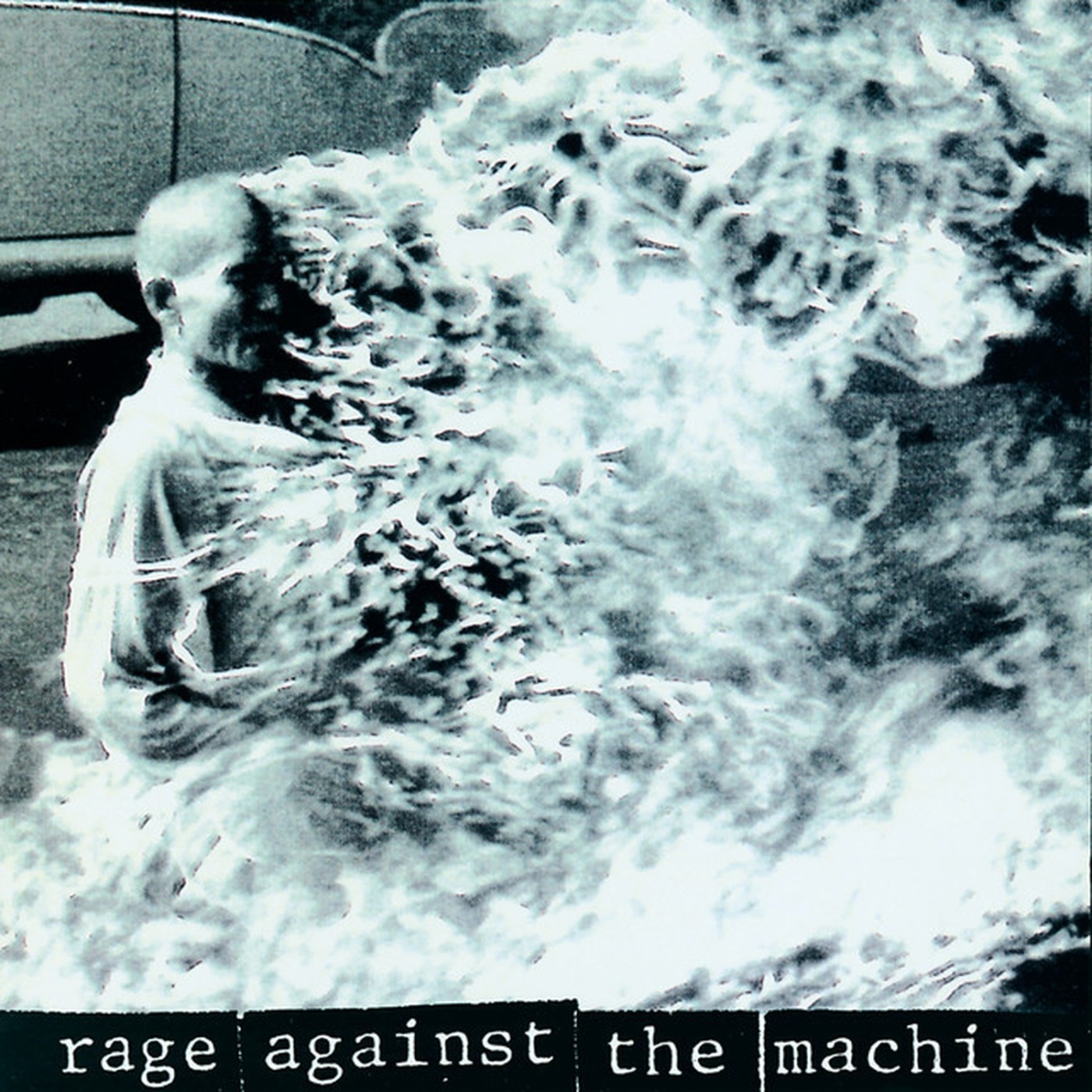
Everything from the album cover.
Chris31:40
Yeah.
Neil31:41
Through to the lyrics, through to the, you know, the choice of content, obviously they're. You know, they were making a statement and they were. They were telling stories. Right. They were. They were finding things that they were passionate about and then writing songs and stories about them. And like every. I think every single track has, you know, a fairly significant story and meaning behind it, which got them in trouble. I mean, people kind of railed against them and, you know, the album cover itself, you know, kind of the immolation. I'm not even going to attempt to say the name of who was being immolated in there, but you all know the album cover I'm talking about, you know, caused, you know, big backlash against them. And, you know, it was ab. Like, it's absolutely deliberate. In fact, all their album covers.
Chris32:32
Yeah.
Neil32:32
You know, look at Empire as well. Yeah. Yeah. Everything just feels so.
Chris32:40
It's a band with something to say.
Neil32:42
I look at the system that we're living under right now as a machine. I view it as a system which. Let's do anything to. To keep itself afloat. It fronts as a democracy. It Fronts as a system who claims to represent people and represent freedom. Now these, quote, unquote, moral action. But in reality, we'll just do anything simply to keep it afloat. And I say, I see this machine is like an engine that has been fueled and run off the blood of oppressed people, like all over the world. So it's a name that I use to describe more so than to describe my frustrations, my anger. Being in Chicano, having indigenous blood, and being part of a culture which has been completely colonized. And there's been this dominant culture that's been raping our minds for years. So. So I want to express my frustrations toward it.
Chris33:33
It's not like Faith no More is where they're a collection of songs.
Neil33:38
Yes.
Chris33:39
You know, with some minute and that. And they're pushing the envelope of what's, you know, what. What can go into lyrics and what things can be about. And they're the challenging convention and the challenging attitudes. But this is like, we are. We. We exist to. To challenge authority. We. We exist to dismantle power structures. And we exist to. To be a voice for the oppressed. And that's what you hear through the records. All of them, I feel all of.
Neil34:03
Them are spiritual, for all of them are pretty emotional. Some people don't see the difference between or. Or differentiate political songs and spiritual songs. And I feel like so much is connected in the political environment we stand in with. With how we feel spiritually as. As, you know, I consider myself spiritual person. Person. Initially, I never made that connection when I was with Inside Out. It just wasn't as prevalent within our music. I was dealing with just like, personal ideology, personal struggle. And now that I'm seeing how, like, in America, for instance, the political system has so much an effect on how we are spiritually. I mean, growing up in this capitalist society has been very detrimental to us having compassion in our lives and just being spiritual. We're thrown into this rat race in life. And so, yeah, I'd say every one of our songs is political and spiritual as well. I just want to write confrontational music, music that uplifts consciousness as well as confront and inform and help people to become more aware. It's part of my own evolution as a human being. I'm trying to become more aware. I'm trying to heighten my own awareness. I have to do that first before I can, you know, do that for anyone. So it's all about living a simple, conscious life, man. Trying to help people do the same and recognize how still very Volatile and unjust the system we live under is. It's just another contract and something be thinking that they can fake this Put on my drop at a higher level Cuz I'm inclined to stoop down hand out so beat downs go on a train I'm to think they run the game But I learn to burn that bridge and delete don't suit your peak at a level that's up to instead I want my hands upon the length.
Chris36:29
Of the flag so a call of.
Neil36:31
Downfall in the businesses that burn us all See through the news and the fuse that twist reality you're not black on better than destiny Lambo did power holds all my people they took turns just through the suit tight at night and they watch a word with the thoughts from a military mind Hard line hard line after hard line van loaded powerhouse all my people they took turns just beat the suit giant knight and.
Chris36:58
Then watch them burn burn burn get.
Neil37:01
Your golden Burn burn burn get your gonna burn burn burn get your golden. Take another look I don't. But you're here and you'll begin to fear fear that your trouble get pulled Dip you into fear fear Whip the dark From a militant, militant mind Hard line Hard line after hard line Ammo to power halls all my people they took turns just beat the streets at night Then watch them burn Burn burn Yes you're going to burn. Burn burn yes you're going to burn. Burn burn yes you're going to burn Burn burn Yes, you're going to burn yes you're going to burn. Burn. Faith in the mo is a really good comparison because they didn't have any involvement with the album cover, the album artwork. No, I can't imagine that. That. Flying with rage.
Chris39:28
That dude who set himself on fire because he was. That it was. Yeah.
Neil39:31
You know, there will be. You could imagine that. That. That animated discussion. No, no, no, no. This is, this is what it's going to be.
Chris39:38
And then the label going, you can't. You can't do that. That's too violent.
Neil39:41
And then it's like, well, we've already done it.
Chris39:43
Yeah. Yeah.
Neil39:45
The bit I wanted to get to was the. And you just. Just hooked on it. But it was. Was the Rage against the Machine in the. The name. And then. And then they went. They kind of got back together, didn't they? They did. They got back together in 2007. Seven. Yeah.
Chris40:02
And I think that was till 2011. Around that time.
Neil40:05
That's right. Yeah. Yeah. And then. And then they recently got back together again.
Chris40:09
Yeah. So we're now in 2025. Just for those who like time.
Neil40:12
And if you're time traveling. Yeah. And the tickets just before everything goes wrong.
Chris40:18
That's the bit we're at now.
Neil40:19
Yeah. We're all a bit. Weir knows what's going on, do they?
Chris40:23
No.
Neil40:23
No one's got a clue. Do you know, usually, you know, usually one of your mates, like, they've got an idea, haven't they? They're like, yeah. No. Do you know what's actually going on is you might. You might not be in the. In the know. No one's got a clue.
Chris40:38
No.
Neil40:39
I don't know. I normally like the chaos, but I'm a bit.
Chris40:42
Yeah.
Neil40:42
Can someone just get a grip? If anybody's. I switch it off and back on again. That would be good. But. Yeah. So the recent reunion, the tickets were like quite expensive or some of them were quite expensive. You know, Ticketmaster are really good at gouging, aren't they? But they were charging a lot of money and there was a ton of articles written about the hypocrisy of Rage against the Machine.
Chris41:07
Yeah, yeah.
Neil41:07
And it was really interesting to me because I. I remember reading it thinking, oh, God, yeah.
Chris41:11
How can you be so anti capitalist?
Neil41:13
Yeah.
Chris41:13
And then, oh, by the way, this is quite a capitalist attitude to tickets.
Neil41:16
Yeah. Can we have 400 quid, please? Yeah, yeah. And it was interesting and I was. I was. As I reading. I was reading Tom Morello. I wasn't really. It was an interview and he said, we never were anti capitalists. We're kind of, you know, we're encouraging you to challenge authority, you know, and not to question authority. That was what we were about. That's what we were bothered about. We weren't bothered that somebody made loads of money. We were really bothered that, that, you know, that you people were being lied to or that something was being covered up or, you know what I mean? Martin Luther King. And Martin Luther King was being targeted by the FBI for his stance on the Vietnam War.
Chris42:04
Yeah.
Neil42:04
You know, I mean, bothered about that shake ofara. We're bothered about, you know, we're bothered about this kind of stuff. Right. It wasn't necessarily that people are getting wealthy and it was. It was interesting listening to him talk about that. And I'm sure there's like a little bit of, you know, the, the young Tom. If the young Tom Morello could see the Tom Morello today, what he'd think of.
Chris42:31
Yeah, yeah.
Neil42:31
You know. Yeah.
Chris42:32
Well, I mean, the good news is that Rage against the Machine, you Know, came back between 2007 and 2011, and.
Neil42:38
We were 15 days away from, you.
Chris42:39
Know, our first show, you know, 10 years since then. And, you know, I treasure that chemistry and those relationships. And.
Neil42:47
Yeah, you're right, but rock bands are right.
Chris42:48
Like, have you ever, like, rock bands.
Neil42:50
Are rock bands, you know what I mean?
Chris42:51
And they're made up of creative people who sometimes have differences, and sometimes those differences sort of outweigh the moment. There was a great quote from Joe Strummer of the Clash where they top her head and the drummer had a heroin problem and they fired him from the band. And Joe said, we never played another good show again. And so the chemistry is something that everybody in any band should greatly, greatly treasure. And that's something that we have treasured. And that the fact that we've reunited and are reuniting again, especially, I think the world needs not just rage, but needs bands that speak with a voice of authenticity, which. Bands that speak in an unapologetic way about what's going on in a way that connects with an audience in order to aim for real sort of substantive change at an important historical juncture on our planet. And so I have been so, like, I have been in a band with Zach De La Rocha, one of the greatest frontmen of all time. I've been in a band with Chris Cornell, one of the greatest singers of all time. I've been in a band with Bruce Springsteen, one of the greatest, you know, rock and roll artists of all time. And in addition to that, I've been.
Neil44:00
Able to have a.
Chris44:01
A very meaningful solo career, which has been completely fulfilling. Now, those opportunities were allowed to happen.
Neil44:12
Because bands come and go, you know, like.
Chris44:15
Like the rich mosaic of what. I've made 20 records, and four of them are Rage against the Machine records. I made 20 records that, you know, that I stand behind like children, you know, each one. Each one's a child. And each experience has been, like, a really, really significant and precious one that I've attacked with, like, all of my creative power. And that's just the way that the.
Neil44:37
The.
Chris44:37
You know, the. The dice have rolled, and I wouldn't.
Neil44:40
Change it for anything. When we did the Slipknot show. Yeah, Corey Taylor talks about this. Yeah, he. I think he was. He was so much more eloquent and transparent with this. Just by saying, look, we hated ourselves. We. We. We absolutely hated the music industry. We hated the fact that it was commercial and our stuff was, you know, buying people Rolls Royces and stuff. We hated it. And then. And Then we were sitting there in the same room with Rolls Royces.
Chris45:12
Yeah.
Neil45:12
Do you know what I mean? We absolutely despised ourselves. I kind of don't think that Tom Morello is in that same. But, but I do think that, that the young, young Zach and the young Tom Morello.
Chris45:23
Yeah.
Neil45:23
Seeing the 400 ticket, what have somebody to say about it would be like, yeah, yeah. Are you sure?
Chris45:28
Yeah.
Neil45:29
You know, and I get it. I kind of get that. That, you know, that wasn't the mess. The message wasn't, you know, don't spend 400 on a ticket and, you know, be anti capitalism.
Chris45:39
Yeah.
Neil45:42
But, but it, but it kind of is in the same area, isn't it? Yeah, yeah, definitely the same thing. So I kind of get it. I get why people were a bit, A bit grumpy. I get why people were grumpy in general about these big, you know, the Oasis. Yeah. Stuff in the Oasis, ticket prices and getting back together. I, I get it. I saw Noel talking about it, kind of going, look, it's not us. But then, so what?
Chris46:05
Who is it there?
Neil46:06
Who is it?
Chris46:06
Yeah.
Neil46:07
And it was interesting because Noel was gave this interview saying that we, we're like, yeah, we're the band and we're doing the things, but we don't set the. Well, you can kind of set how much you're going to charge for the.
Chris46:22
Ticket or you can set your fee as an artist.
Neil46:24
Yeah, exactly. But we can't decide how much the, like the, the, the venue and all these things are going to put their prices and stuff on top of that. And this weird Ticketmaster surge pricing, you know, like the Black Sabbath stuff as well, that came in, that's running in July. You know, the demand outstripped supply high. So the ticket prices get really, really high.
Chris46:48
Yeah.
Neil46:49
And he was like going like, you know, I don't know. There was the, The Cure as well, did the same thing. They had exactly the same way. He forced them to give a ticket.
Chris46:57
Yeah, exactly.
Neil46:57
Yeah, yeah, yeah, yeah. So I kind of. I don't know, I kind of feel that whole. It just feels really broke.
Chris47:06
There's a really interesting thing that the, the Music Venue Trust have been working with, with the government to implement this kind of like, levy.
Neil47:15
Yeah.
Chris47:16
I think in the same way that I think football, football, big football teams do it. So there's, there's like a certain levy from big football teams tickets that then goes into this big pot that then serves kind of grassroots football.
Neil47:28
Yeah.
Chris47:28
And I, I might have made that up, but I think some, something like that exists. So the music industry doing the same thing.
Neil47:35
Yeah.
Chris47:35
So when you're Beyonce or your Taylor Swift or your Sabbath or, you know, whatever, Oasis, and you're doing these huge things that are costing loads of money and, you know, there's. There's this kind of ticket levy mandatory thing that. That either is already in or will be coming in at some point, which is where some of that music filters back into the music venue Trust.
Neil47:53
Yeah.
Chris47:53
To keep, to. To keep. And to kind of smaller venues, grassroots music venues going.
Neil47:58
Because you're the.
Chris47:58
It's the ecosystem.
Neil47:59
Yeah, yeah, yeah.
Chris48:00
It's like if you don't do that, you've got no music ecosystem. So you don't get another Black Sabbath.
Neil48:04
You don't get where to play, have you. You've got nowhere to. To go and practice.
Chris48:08
And the other thing that's happened recently is the bit where, where we're looking, looking at. There's always been a conversation around, like, because we. We live quite close to Download, so, you know, there's always that thing when you've got Iron Maiden or Kiss or, you know, the conversations. Well, who. Who's going to do that? Who's going to do that? And then you see what Sleep Token are doing.
Neil48:26
Yeah. Spirit Box. Yeah. There's tons. There's tons.
Chris48:30
We'll be all right. But if, if, if that, you know, that, that that chain's got to end somewhere and if there's, if there's nowhere for. For these artists to kind of start and grow and be supported and learn their craft and cut their teeth, and if that disappears, then, then you don't get it.
Neil48:44
The bottom rung of the ladder is like a supporting, you know, supporting architects.
Chris48:48
Yeah.
Neil48:49
I mean, that's a pretty big.
Chris48:50
Yeah, yeah.
Neil48:51
Big leap to go. I mean, as you. I mean, you've done that supporting stuff with you supporting the Charlatans and all kinds of you, but, you know, you have to be reasonably.
Chris49:01
Yeah, yeah.
Neil49:02
Established to get a supporting gig or you have to buy your place.
Chris49:06
Yeah, that was the other thing I was going to say. Yeah. Because that's part of a model and.
Neil49:09
You can't do that if. If you've not been able to go and get in your local music venues and learn how to play in front of people. I know, right. They're mostly drunk and dicking about, but you know what I mean? And also, it's about the community and the culture. You know, the amount of these shows that we've done where actually these incredible bands and albums came out of community, they Came out of scenes. And that scene will start by like two or three music venues where the band would go and play and then muck about with the other bands that were playing and then they would all be sitting there, you know, getting drunk in the bar, mucking about. And that would be the melting pot of where that. Yeah, that scene came from.
Chris49:51
Yeah, yeah, yeah, yeah.
Neil49:52
Well, if there are any of those venues, then, yeah.
Chris49:55
It doesn't happen, does it?
Neil49:56
Doesn't happen, no. You end up with like weird scenes. Like, you know, we talked about Brit pop.
Chris50:06
Yeah.
Neil50:07
Which kind of existed as a scene but not as a Jose there wasn't. It didn't come from a place. I mean, it's just that they were the bands that were popular at the time. But you know, what you want is. Or what I think you want is, you know those, you know, there's kind of the punk scenes that happened in and around London and.
Chris50:26
Yeah, Manchester.
Neil50:28
Yeah. The 70s stuff with kind of, you know, those massive rock bands that kind of all came in and out of London. London and you know, the LA scene for the, the, the be horse thing with Liverpool, the Bay Area and thrash and you've got like Seattle. Yeah. You've got like the death scene out of, of Sweden and.
Chris50:48
Yeah, yeah.
Neil50:49
I think these things are important and, and there's a danger that without a bit of nurture.
Chris50:56
Yeah. An investment and.
Neil50:57
Yeah, yeah. So I like that. And anyway, I, I don't know, it's, I think it's really difficult. I can totally see why people were disenfranchised by the $400 ticket prices. I think the media stoked it way beyond what it was because I don't think the ticket, they, they made it out like you had to pay $400 to go and see him and you didn't. Could have done. If you, if you want, you know, if you wanted to go and get your vip.
Chris51:20
Yeah, yeah, yeah, whatever.
Neil51:21
But you know, the tickets for lounging about at the front with the same prices as anybody else. But yeah, yeah, yeah, yeah. Anyway, here's what it is.
Chris51:31
Definitely. Should we do facts?
Neil51:33
Yeah, we can do, yeah, let me, let me go and do some facts for you released November 6, 1992.
Chris51:41
10. I was, were you?
Neil51:45
I so I was 74, so 6. 18.
Chris51:49
18, yeah.
Neil51:51
And I remember, I do remember this coming out. I, I, this wasn't an album that I kind of reached for. I didn't have this in my Vauxhall Cavalier for a while.
Chris52:01
I had a Vauxhall Cavaliers as well.
Neil52:03
Mine was My. I, I. Mine was brown.
Chris52:06
I had a brown one.
Neil52:06
Did you?
Chris52:07
And then a green one and a blue one. Oh, I had a few.
Neil52:10
I only had one. It was lovely. Total runtime. Have a guess.
Chris52:17
55 minutes.
Neil52:18
Oh, 52. Number of tracks? 10. Record label epic. They weren't a massive fan, apparently. Epic. So I read. So I read in. In and around the making of this. They funded it, but they weren't prepared to give much money, really. So they weren't like. They were a bit.
Chris52:36
Yeah.
Neil52:36
A bit political because it's gonna wind people up. They want to put like, you know, a Burning Dead Body on the.
Chris52:41
Yeah.
Neil52:42
Cover. You know what I mean? Yeah. You could just see they were like, here's some money. As they were stepping towards the door a little bit, thinking, how do we.
Chris52:49
Let's see. Let's see what happens, guys.
Neil52:50
Reminded me a little bit of, if you remember, Slayers, Reigning Blood.
Chris52:56
Same thing.
Neil52:56
Yeah. The record label never put it out. It was distributed, but it was never released. Wow. Because they were really concerned. Concerned of pushback.
Chris53:07
Yeah.
Neil53:07
So they were concerned it would alienate people. So they never really did a big, big push. I think this did get a proper release, but.
Chris53:13
Yeah.
Neil53:14
Recorded at Sound City, which we've talked about a lot in the past. I am going to do a blog about the history of Sound City. I've kind of started the draft of that. But there's just so much. There's just so much.
Chris53:29
Yeah.
Neil53:29
I mean, it's just epic, isn't it? Yeah. Producer was Garth Goth. The thing for me with this album and the production of it, and I hadn't realized it was the connecting the dots when we did Skunk and Stoosh. How similar.
Chris53:47
Yeah.
Neil53:48
In tone they are, again, produced by Garth and. Yeah.
Chris53:54
Energy as well.
Neil53:56
Yeah.
Chris53:56
I know there's. The band's a lot to do with that, but certainly the producer getting that.
Neil53:59
Out of them is a. I think so. Largely recorded live. They would do like 20 takes. Just bang them through. Was recorded in eight weeks.
Chris54:07
Yeah.
Neil54:07
Like start to finish. Absolutely phenomenal. The band only formed in 91 and recorded this in 92. Made up of four people. Zach LaRocca, Tom Morello. He was a Harvard graduate.
Chris54:22
Wow. Wow.
Neil54:23
Which is incredible. Really. Zach famously came from, like, the punk rock scene.
Chris54:27
Yeah, yeah, yeah.
Neil54:28
I grew up in a very. You know, I was a mexicano in a part of the country where I was the exception to the rule because most mexicanos in Orange county were there because they had a broom or a hammer in their hands or were Picking baskets of strawberries. You know, there was a deep sense of frustration, alienation I experienced growing up in a very conservative community. Very racist, very conservative community. And I think that that's what initially attracted me to punk music and punk culture. It spoke to me in a way that no other music until that point could speak to me. So it kind of happened. It was spontaneous, a lot of thought put into it. You know, we were very excited about the idea of playing hip hop with live instrumentation, you know, infusing the music that we loved so much, that we felt drawn to. So, I don't know, it was very spontaneous. There's no way to say exactly how the sounds came together or why Tom Metal. And then you had Tim Comerford on bass and Brad Wilk on drums. Yeah. Financing was a challenge, so, you know, the record label kind of bunged him a few quid, but then was a little bit unsure. Famously recorded in analog on that Neve8028 at Sand City, which I found out.
Chris56:01
I've got a plugin for.
Neil56:02
That's so exciting.
Chris56:03
I've actually got a couple. I've got a couple of plugins that do that.
Neil56:07
The other interesting thing here, apparently, I don't know how true this is, but there's an anecdote that I found in the recording saying that Tom Morello used a cheap 20 watt solid state amp to record timing. And, you know, there's just. There's a lot of that kind of stuff, I think, where they just kind of did their.
Chris56:26
They can get a good sound out of them, you know, if you want for a particular purpose. That chunky guitar.
Neil56:33
Yeah, you. You always talk about this, but it's kind of. It's not what you play, it's how you play. Yeah.
Chris56:38
Yeah.
Neil56:38
And Thomas, a genius of that sales feature figures for. For this album. Rage against the machine, 5.3 million bonkers. Evil Empire was 3.4, Battle of Los Angeles 2.5. And Renegades, which is the look of covers.
Chris56:53
Yeah.
Neil56:53
Thing they did for 1.1, I think the band was pretty much collapsing by the point. They did that in 2000 other albums released in the same year. Dirt by Alice in Chains.
Chris57:03
Wow. Yep.
Neil57:04
Angel Dust by Faith.
Chris57:05
It was a grungy, rocky era, wasn't it? Yeah.
Neil57:07
This was all by Stone Temple Pilots and Countdown to Extinction by Megadeth. So there's some very, very big heavy music around. And this is like kind of. We. We talked about, didn't we, where this was. This was a time where if a band released an album that you didn't particularly like. You just listened to something else.
Chris57:24
Yeah, yeah, yeah.
Neil57:25
You know, you didn't. You didn't. You didn't go. Go complaining about it. You just was like, oh, I listened to something.
Chris57:29
Yeah. Yeah. I like this one.
Neil57:32
It's on tons of best of lists, this one. I. Normally, when you search for this stuff, it's really difficult to find it, but it's on all of them, like, rolling. You name a magazine and it's just. This is in there. I think it's like. It's one of those things where it's quite edgy and cool, so everyone wanted to be part of it. Singles from the album the killer was Bombtrack. Yeah.
Chris57:53
What?
Neil57:54
Killing in the Name. Right.
Chris57:55
They were massive.
Neil57:55
They were. They were huge. I think Killing in the Name became this, like, anthem.
Chris58:02
I was gonna say exactly the same word. Yeah.
Neil58:04
Were you?
Chris58:04
Yeah.
Neil58:05
Great minds.
Chris58:06
Great minds.
Neil58:06
Yeah. But it was. It was just, I mean, extraordinary, that. That song. Sometimes these songs become, you know, and we've talked about this before, like, they're not yours anymore.
Chris58:20
No.
Neil58:21
And Killing in the Name's not.
Chris58:22
No. Absolutely.
Neil58:23
Rage. Don't own that anymore. That's owned by a generation. And, you know, it gets used in, like. Oh, I mean, you name it, right? If you. If you've got a movement and you're angry about something.
Chris58:37
Yeah, that's your song.
Neil58:39
Yeah. Go. Go and use that.
Chris58:40
You don't even need to use the sweary bit.
Neil58:42
No.
Chris58:42
You just use any part of that riff and every. Everyone. Everyone gets the connotation.
Neil58:46
Yeah, absolutely. But then. And then Bomb track. I think Bombshell might be one of the most covered tracks.
Chris58:52
So riffy. I mean, the groove on that. The groove. Oh, it's just awesome. Yeah.
Neil58:58
Bullet in the Head, but, yeah. And Freedom with the other two singles as an album of. Of tracks. There's not a dead bit of time in this.
Chris59:09
Everything. Everything's there. Everything's. You said it earlier. Everything's in its right place as a arrangement and as the performance, but also as a body of work, as a sequence of songs.
Neil59:30
World of violent rage but it's one that I can recognize Having never seen the color of my father's eyes Yes, I dwell in hell but it's a hell that I can grip I tried to grip my family But I slipped to escape from the pain in an existence mundane I've got enough nine A sign, a set and now I got a name Green my whining on the.
Chris1:00:02
Wall.
Neil1:00:05
No one's there to catch me when I fall Death is on my side Suicide. Chancellor's freedom from the pain in my home Hatred passed on, passed on, passed on A world of violent rage but it's one that I can recognize Having never seen the color of my father's eyes. Yes, I dwell in hell but it's a hell that I can grip. I try to grip my family But I slipped to escape from the pain in an existence mundane. I got a nine, a sign, a set and now I got a name 3 Rock riding on the wall no one's here to catch me when I fall. Join we, my culture and the genocide. We are running on the wall. No one's in against me when I fall. Your finger is blessed. They knock a smile off my face yeah, Sam. If we don't take action now Settle for nothing later Settle for nothing now and we'll settle for nothing later we don't take action now now we'll settle for nothing later we'll settle for nothing now we'll settle for nothing later. If we don't take action now we'll settle for nothing later we'll settle for.
Chris1:02:56
Nothing now we'll settle for nothing later. Cause we don't take action now now we're settle for nothing later.
Neil1:03:25
Yeah, it's phenomenal. And they're quite like Killing in the names. Five minutes.
Chris1:03:29
Yeah.
Neil1:03:29
Is it really? Yeah, it is. It's. It's. It's. It's getting on for. For. It's getting on for. Prog rock.
Chris1:03:35
Yes.
Neil1:03:35
That's nearly.
Chris1:03:35
That's nearly a meatloaf. Intro.
Neil1:03:42
Influences from the band. So. So looking at bands they've quoted as influencing them. Public Enemy makes tons of sense. The Clash, Led Zeppelin and Black Sabbath.
Chris1:03:52
Okay.
Neil1:03:53
Which.
Chris1:03:54
Yeah, that makes tons of. All of that.
Neil1:03:55
Does. Yeah, it kind of does. To there and then. And then artists that. That are claim influence by Rage, Linkin Park, System of A Down Corn and Slipknot.
Chris1:04:06
Yeah.
Neil1:04:07
Which again, I think again is. Is. Is. Is interesting things that I learned about when we were doing this. The. The COVID art is the. Is a Pulitzer Prize winning photograph of Dick Kwang Duc.
Chris1:04:24
Oh, nice. Well done.
Neil1:04:25
Is that. Did I get close?
Chris1:04:26
That sounds good to me.
Neil1:04:31
I mean, it's interesting. Now you see that record today, and it's weird. You kind of know what it is, so you don't get, you know, like. And Tony. When you stop and think and think, oh, what. You realize what it is. And then the backstory to it, you can, you know. It did cause a significant uproar at the time. No samples were used. No Keyboards, no synthesizers. Mostly done live. So, yeah. Filled with political messages. So there isn't a single track on there that's not. Got some, like, a significant political story. And. Yeah. Certified triple platinum in the United States. It's been used in tons of interesting TV and media as well. So it was in Natural born killers from 94, which I don't remember it being in.
Chris1:05:26
I don't remember being that. But then saying that that was one of those films I always used to, like. People used to say, like, oh, you need to watch this because it's a really important film without watching Fall Asleep. So there are a few of those. Stanley Kubrick 2000. Well, loads of them. Like, loads of films that I should. I should have watched. You should watch from start to end because they're important historical moments in time. And these wicked films get a bit.
Neil1:05:46
Bored when people say, oh, you should watch this, because it's. It's. It's got input. I know I can't have. I'm bored. Do you know what you watch? Severance.
Chris1:05:55
I need to watch that. I like that a lot.
Neil1:05:57
It's really dark. There's no music in it. Well, actually, the theme tune. You'll love it. The theme tune for Severance is, like, really split. There's loads of weird dissonance.
Chris1:06:06
Okay.
Neil1:06:06
And the way. Yeah.
Chris1:06:09
Severed.
Neil1:06:11
Yeah, it's bonkers. That is. But the whole thing is just. Oh, just fantastic. I have to be honest, I probably was off my face on paracetamol and cold drugs and whatever else.
Chris1:06:23
It's probably the strongest, greatest song.
Neil1:06:24
Yeah, yeah, yeah. But I. I really enjoyed that. Reviews of this album, I think, because it was a bit edgy and cool. No one dare say anything bad about it.
Chris1:06:35
Yeah. Yeah.
Neil1:06:36
So when you go back and look at it, this is an album that I don't think got any poor review. And it's interesting because it says the. The critics talk about innovative fusion of rap and metal.
Chris1:06:48
Yeah, Well, I mean.
Neil1:06:50
Mean, you don't have to look very far to see the. You know, the. The same critics deriding bands for, you know, merging rap and metal. And I guess it was 92, so it's kind of a little bit early. But, you know, the same stuff can't be said of, like, you know, the.
Chris1:07:08
Well, it's the way people did Faith no More, wasn't it? Yeah, it sort of happened with a bit of that where people, like, you know, don't know what it is, just doesn't make any sense and.
Neil1:07:17
Exactly. Exactly. And then. But I think I Think. I think Rage. Rage almost got like a free pass, right. For the politics and being edgy and being. Do you know what I mean? They were then. They were clever as well. And they were good in front of the camera. They were good in interviews.
Chris1:07:31
Tom Rallo in particular. Oh, yeah. Very eloquent guy. Yeah.
Neil1:07:35
I mean, incredibly articulate.
Chris1:07:36
Yeah. And Zach obvious. Had fire and passion and. Yeah. Had something to say.
Neil1:07:43
Yeah, they. They were. They were pretty cool. Yeah. So all. All of the reviews were like super positive. Eventually obviously broke up. Right. So. So they kind of got to that point where they did. So they did Evil Empire and then I'm just looking at my list of. Of things that we did. So it was renegades in 2000 and then that was it. Then that was just kind of. The band just. Just stopped and it was kind of Zach, Del and the rest of the band just not agreeing on the. The right way to. To go.
Chris1:08:25
And that. That's where Audio Slave came in, right.
Neil1:08:28
Yeah, it is, yeah. I mean, essentially it was just. They just got together with Chris Cornell.
Chris1:08:31
Yeah.
Neil1:08:32
In fact, we should probably. That would be a great one to do next. To do next, yeah. Because that's a. It is basically just. Just Rage with Chris Cornell. I mean, it's. Chris Cornell is one of those people where you. You could just copy and paste him into any band and he would just like rock up and be like. Yeah, and they will be better for. For him being there. Yeah. So. But yeah, it's absolutely phenomenal. Debut from.
Chris1:09:01
It was a massive album. I worked in music retail at the time. Oh, yeah, I remember it came. Came out and that's a shop, right? Yes, yeah. I worked at a music shop selling records and it was. There was that. And there was. There was one other. That it just set everything on fire. Like every. Like everyone had it. It's gone Strokes. This is it.
Neil1:09:22
Oh, yeah, yeah, yeah, yeah, yeah.
Chris1:09:24
Those were. There was. Around that era, the music press just.
Neil1:09:27
Gushed over the Strokes and I remember that. Yeah, yeah, no, the Audio Slave one, I think we should definitely.
Chris1:09:32
Is this it? Not this is it. Is. Is this it?
Neil1:09:35
Oh, always the set, isn't it? Yeah, it is the set. Yeah, yeah, yeah. I'm with you. There was a few remasters and that. The original sounds better. There was no need to book about with it. Yeah, it sounded great.
Chris1:09:46
Yeah.
Neil1:09:48
So, yeah, if you can get hold of it. That is the thing. Yeah. It's the same with all of these things. They pay a producer, they go and make it louder and then that's the only one you can listen to. But if you have the original. I've got the original vinyl of this one and I've got original CD as well. Well.
Chris1:10:09
And that's the one.
Neil1:10:10
Yeah. I don't know. This just. It sounds good. Sounds better. It was better as It's, It's.
Chris1:10:17
Right. It's from the time. It's what it should. It's what it should have sounded like.
Neil1:10:20
It doesn't. I don't think they improved.
Chris1:10:23
Yeah.
Neil1:10:25
Of these songs. Doesn't improve with the remaster. Some. They do, yeah. Yeah, yeah. I think I'm trying to think of albums that have, you know, Ride the Lightning is a good example of that. Metallica's. Right. I think I prefer the remaster of R Lightning than the, the original. But I don't know. I think this one was just so good. I think this one did not need a. And I think that we see more of this now where they, what they do is they get someone to remaster it.
Chris1:10:53
Yeah.
Neil1:10:53
They compress it a bit.
Chris1:10:55
Yeah.
Neil1:10:56
And then they sell more vinyls.
Chris1:10:58
Yeah.
Neil1:10:58
Do you know what I mean? Because, like, they know, like, me will go and buy it. Do you know what I mean?
Chris1:11:02
Yeah, yeah, yeah.
Neil1:11:03
And, and there's tons of that, I think, with, with this stuff and.
Chris1:11:07
Yeah. Nostalgia, capitalism. Yeah, yeah, yeah.
Neil1:11:09
And I think I just, you know what, to skip the remaster. Just, you know, we'll buy it anyway. We're absolute idiots. We'll just go and buy it. So just dish it out. You know, I'd rather, rather than spend the money on the remaster. I'd rather get some background stuff or some better liner notes or something from the studio. Do you know what I mean? Something. I'd rather get some, something that I've never seen before. Some background photography from the studio or something like that. But anyway, to be fair, they didn't ruin the remaster. It's not like I don't, I wouldn't turn it off. Yeah. But I just don't think it needed to be done, which is a shock for me, isn't it? And that is it for facts for this particular album. 1992.
Chris1:11:54
Yeah. Yeah.
Neil1:11:55
I, I, as we're doing these, obviously my kids see what I'm reading. You know, you sitting there and they were, oh, what are you doing now? And they still don't believe that 1992 was real. Do you know what I mean? They're like, they're like, did you have electricity, dad? Dad, did you have electricity?
Chris1:12:13
Was TVs black and white? Then.
Neil1:12:14
Yeah. Did you have TV? TV didn't. Did TV exist? And you think, yeah, you dickheads. But I. Then, yeah, there's that lovely thing, isn't there, where. You know, Back to the Future.
Chris1:12:26
Yeah.
Neil1:12:27
Where they went. Where did they go from 1985 to 1952.
Chris1:12:31
Yeah.
Neil1:12:31
That's the equivalent of us going back to 1995 today.
Chris1:12:35
Oh, my God. God.
Neil1:12:36
And. And that. And my eldest said that to me and it, like, crushed me inside. Absolutely. Totally and utterly. Because when you sit in Back to the Future, when they go back to the 50s, the old days, you're like, what?
Chris1:12:49
Yeah.
Neil1:12:51
And. And yet when. I mean, they were. They were Pistols and they were doing. You know what I mean, the Road Horses. Well, and then what. What. What was going on?
Chris1:13:07
Yeah.
Neil1:13:08
Anyway, yeah, they're the facts.
Chris1:13:10
And we already decided what we're doing next.
Neil1:13:12
So, yeah, let's just do Audio Slave.
Chris1:13:14
Yeah. Yeah, yeah.
Neil1:13:15
In fact, let's just listen to Chris Cornell.
Chris1:13:16
Yeah. Yeah, yeah.
Neil1:13:17
Forever.
Chris1:13:17
Yeah.
Neil1:13:18
And I do. I do want to talk. I want to say Sow a Seed.
Chris1:13:21
Yeah.
Neil1:13:21
I've been listening. As I was in Ireland, I started listening to, like, a bunch of British albums that I'd not listened to for a long time, so. Guns, Gallus and Swagger.
Chris1:13:32
Yeah.
Neil1:13:33
And then that sent me down this, like, British albums of that time, so. Thunder, the Almighty.
Chris1:13:41
Yeah.
Neil1:13:43
And I just thought might be quite nice to do.
Chris1:13:46
Go to that scene for a little while.
Neil1:13:47
Yeah. Just do a handful of those kind of 90s, like, British albums, because some of them were just unreal, like the. That Gun record. So they did. They did Gallus and Swagger, which were just incredible. Swagger was the one with Word up on it. And, you know. But Gallus was the. Gallus was like the songwriting album for me. It was incredible, really. You know, incredible songs on there. You know, Thunder did Backstreet Symphony.
Chris1:14:16
Yeah.
Neil1:14:17
And I just think there's a ton of albums around that time that we could meander our way through. Might be good fun to be a bit nostalgic.
Chris1:14:25
Yeah.
Neil1:14:26
For those. But I think let's stay in America Land.
Chris1:14:29
Yeah. Let's do audience.
Neil1:14:31
Yeah. And then that might. I'm trying to think where that's going to send us next, because Chris Cornell did a bunch of stuff.
Chris1:14:35
Yeah. Yeah. We've never done a Saturday Soundgarden one.
Neil1:14:38
No. So we should do a bit of.
Chris1:14:39
Super Unknown or something like that.
Neil1:14:41
Oh, good God, that's incredible, isn't it? It's hard to. Some. Some albums, I kind of still. I. You kind of can't you think? How did that happen?
Chris1:14:52
Yeah.
Neil1:14:53
Yeah. Do you know what I mean?
Chris1:14:54
SuperNow's definitely one of those.
Neil1:14:56
Yeah. There's that one. The Radioheads. Okay. Computers, a bit like that for me as well. And Dylan, she did Aya Works as well. There's a few albums and I just think. How did you.
Chris1:15:09
Yeah.
Neil1:15:10
Do that? You know, like some. Some albums you think are brilliant, but you can kind of see how the magic works.
Chris1:15:19
Yeah.
Neil1:15:19
You know what I mean? You can kind of think. I can. I can vision. I can imagine them doing that. Super unknowns. One that I just. I. It's just. Where did it come. Where did that come from? How did you. Do you know what I mean? How did that. It's just absolutely. Black Sabbath as. Like a bit like that for me. Some of the early Black Sabbath stuff, you just think what was feeding in.
Chris1:15:42
Yeah.
Neil1:15:42
That led to that coming out.
Chris1:15:44
Yeah.
Neil1:15:44
And you, like. Almost like you can't see the.
Chris1:15:47
Yeah, yeah, yeah.
Neil1:15:48
You can't see the magic. You can't see where it's coming from. But I think that's been good and I'm glad that we've got through that.
Chris1:15:55
Yeah.
Neil1:15:55
Because I'm still here, still upright. I'm sure next week I'll be more energetic. But it's a good one. This is good for me. It's. Is a good. Good album.
Chris1:16:06
Yeah.
Neil1:16:07
And go listen to it.
Chris1:16:10
Go find it again.
Neil1:16:11
Yeah. If you've not listened to it for a while, it's. It's. It's one of those, I think, isn't it, where it's easy to think this is an album. I think it's easy to think, you know.
Chris1:16:20
Yeah, that's a great point. Yeah. There's more.
Neil1:16:24
The Alanis Morissette one is one that reminds me massively of that. Well, I thought I knew that. And it was only when we sat down to prep that I realized I'd never listened to it.
Chris1:16:33
Yeah. Yeah.
Neil1:16:33
You know, and actually, I didn't know it. I knew I knew the big singles, but I didn't know the rest. And this is definitely worth a bit of time, I think. It's a. It's an iconic monster, this one. So. Audio Slave next.
Chris1:16:51
Yeah, Audio Slave.
Neil1:16:52
A nap in between.
Chris1:16:53
Yeah.
Neil1:16:54
And Love you, Bye.
Chris1:16:55
Love you, Bye.