Introduction
Sometimes, an album lands at just the right moment to capture a band’s essence and signal a new era. For Terrorvision, Formaldehyde was that record. Released in 1993, it marked their leap from Bradford hopefuls to major label contenders, carving out a unique space in British rock. The album fused sharp humour, gritty stories, and riff-heavy hooks, all while sidestepping the prevailing trends of the day. Even now, more than three decades on, its impact can still be felt across alternative and hard rock circles.
This article will take you through every corner of Formaldehyde: its origins, recording process, critical reception, and lasting influence. You’ll find a full breakdown of its tracks, a deep dive into its lyrics, and the story of how it was promoted and performed live. Along the way, I’ll highlight verified quotes from the band and those who helped shape the album. Expect stories from the studio, tour bus, and the creative heart of early ’90s Britain. If you’re after the most thorough guide to Formaldehyde, you’re in the right place.
| Attribute | Details |
|---|---|
| Album title | Formaldehyde |
| Release date | 3 May 1993 (EMI), December 1992 (Total Vegas limited release) |
| Genre | Alternative rock, hard rock |
| Total runtime | 45:48 |
| Number of tracks | 12 (EMI version), 14 (Total Vegas version) |
| Record label | EMI (main release), Total Vegas Recordings (original limited run) |
| Recording studio | The Chapel, Lincolnshire, UK |
| Producer(s) | Pat Grogan, Terrorvision |
From the start, Formaldehyde set Terrorvision apart. It wasn’t just a debut; it was a mission statement. Tony Wright once said, “We wanted to make a record that sounded like us—funny, loud, a bit odd, but honest.” In the words of bassist Leigh Marklew, “It was all or nothing. We had no plan B.” The album’s significance endures, not only as a launchpad for the band but as a snapshot of a British rock scene on the cusp of change. Its blend of northern grit and melodic punch still attracts new listeners and influences musicians today.
The Genesis of “Formaldehyde”
To understand Formaldehyde, you have to picture early ’90s Britain. The music world was shifting. Grunge from the US was everywhere, but in the UK, bands were searching for their own voice. In Bradford, a city better known for its industry than its music, Terrorvision emerged. Originally called The Spoilt Bratz, the band cut their teeth in small clubs, absorbing influences from Faith No More, early Red Hot Chili Peppers, and their own northern upbringing. By 1991, they’d become Terrorvision, ready to challenge the status quo.
Before Formaldehyde, Terrorvision had already built a loyal following. Their live shows were chaotic, energetic, and never predictable. Leigh Marklew, in a 2020 interview with Metal Temple Magazine, recalled, “We were just mates from school, playing for fun. When Tony joined, everything clicked. Suddenly, we had songs people wanted to hear again.” The band’s early demos led to a deal with EMI and the creation of their own imprint, Total Vegas Recordings, which would be crucial for the album’s initial release.
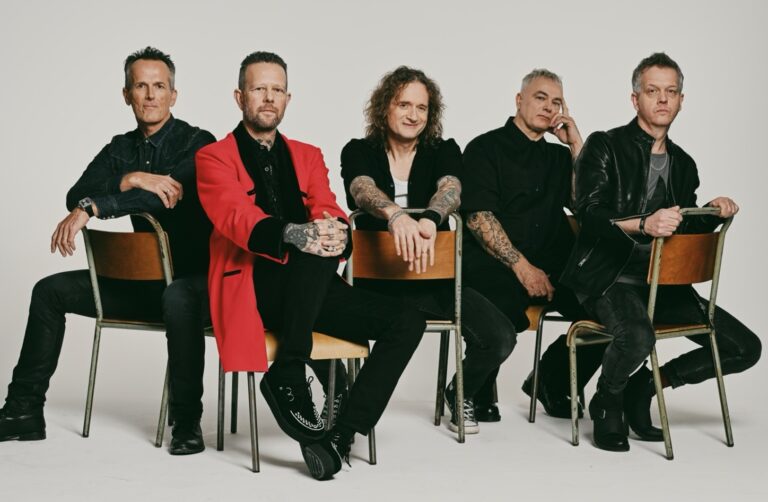
When it came to writing, all four core members played a role. Tony Wright brought sharp, witty lyrics. Mark Yates supplied guitar riffs that swung between heavy and playful. Leigh Marklew’s bass lines and Shutty’s (David Ian Shuttleworth) drums kept everything tight but flexible. The band also welcomed guests—violinist Gavin Wright and harmonica player Nick Roberts—who added unique touches to key tracks. Not only that, but the group handled much of the album’s production themselves, ensuring it sounded unmistakably theirs.
Below is a table showing the band’s lineup and the roles they played during the making of Formaldehyde:
| Band Member | Instrument(s) / Role |
|---|---|
| Tony Wright | Vocals, lyricist |
| Mark Yates | Guitars, songwriting, backing vocals |
| Leigh Marklew | Bass, songwriting, backing vocals |
| Shutty (David Ian Shuttleworth) | Drums, percussion |
| Gavin Wright | Violin (guest on “Killing Time” and “Hole for a Soul”) |
| Nick Roberts | Harmonica (guest on “Desolation Town”) |
Financing the album was a gamble. The original limited run was funded through a mixture of EMI support and the band’s own resources, with a total of 1,000 CDs and 500 vinyl pressed on their Total Vegas imprint. As Leigh Marklew put it, “We had no money, but we had drive. The budget was tight, but we made it work.” Financial constraints meant the band had to be creative, both in the studio and in the way they promoted the album.
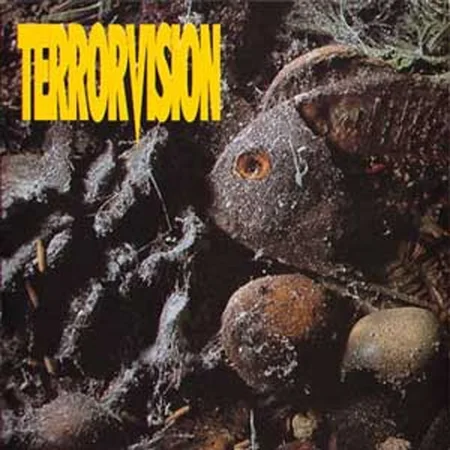
The album’s title, Formaldehyde, was chosen for its dark humour and sense of preservation—capturing the band’s energy in a way that would last. The cover artwork, featuring a surreal and almost grotesque collage, was designed to reflect the album’s mix of playfulness and edge. Photography for the release was handled by David Obadiah, while the first pressing even included a 24-page photo book called the “TV Guide,” filled with candid shots from the band’s early days and tours. The idea was to offer something special in an era when, as the band joked, “people don’t buy records for the music anymore.”
Recording Process
The making of Formaldehyde was as hands-on as it gets. Recording took place in June 1992 at The Chapel, a converted Methodist church in Lincolnshire. The studio was known for its character and its ability to capture big, lively sounds. Producer Pat Grogan worked closely with the band, handling engineering and mixing on most tracks, while assistant engineer Fulton Dingley kept things running smoothly. For three songs—“New Policy One,” “My House,” and “Human Being”—mixing duties were handed to Gil Norton, known for his work with the Pixies and Echo & the Bunnymen, bringing a different flavour to those tracks.
While exact details of the studio hardware are not fully documented, we can make some educated assumptions based on the period and the Chapel’s known equipment. Studios like The Chapel in the early ’90s typically featured analogue mixing desks, such as the SSL 4000 or Trident consoles, with a selection of Neumann, Shure, and AKG microphones. Outboard gear likely included compressors such as the UREI 1176 and LA-2A, as well as tape machines for warmth. Guitar tones would have been shaped by classic Marshall or Mesa/Boogie amps, with effects pedals for added grit and colour. The mastering was completed at Townhouse Studios in London, using Direct Metal Mastering (DMM) for a punchy, clear sound.
Here’s a table outlining the likely studio hardware and techniques used for Formaldehyde:
| Hardware/Technique | Likely Details / Studio Use |
|---|---|
| Mixing desk | SSL 4000 or Trident analogue console (assumed based on era and studio) |
| Microphones | Neumann U87 (vocals), Shure SM57 (guitar cabs, snare), AKG D112 (kick drum) |
| Compressors | UREI 1176, LA-2A (assumed, standard at the time) |
| Guitar amps | Marshall JCM800, Mesa/Boogie Dual Rectifier (assumed from period and genre) |
| Effects | Boss pedals, Wah, Chorus, Overdrive (standard pedalboard for early ’90s rock) |
| Recording format | Analogue tape, likely 24-track |
| Mastering | Townhouse Studios, London (Direct Metal Mastering) |
The sessions weren’t without their challenges. According to the band, budget constraints meant long days and a fast pace. They often had to record live as a unit, capturing the raw energy of their gigs. Tony Wright later said, “We didn’t have time for perfection, but that was the point. It was about attitude, not polish.” One story tells of the band sleeping in the studio between takes, living off instant noodles and strong tea. The camaraderie, though, was clear in every note.
Producer Pat Grogan, whose background included work with up-and-coming British acts, brought a hands-on approach. His partnership with the band was so close that Terrorvision themselves are credited as co-producers and co-mixers on most tracks. Gil Norton’s involvement added a touch of studio finesse, especially to the singles. Assistant engineer Fulton Dingley, meanwhile, would go on to work with artists such as Sparks and The Beautiful South.
Below is a table of other albums produced by the key production staff on Formaldehyde:
| Producer | Artist | Album | Year |
|---|---|---|---|
| Gil Norton (mixing engineer) | Pixies | Doolittle | 1989 |
| Gil Norton (mixing engineer) | Pixies | Bossanova | 1990 |
| Gil Norton (mixing engineer) | Echo & the Bunnymen | Heaven Up Here | 1981 |
Commercial Performance and Reception
When Formaldehyde hit the shelves, the UK music scene was in flux. Britpop was brewing, but alternative and hard rock still had a strong following. Terrorvision’s debut found its audience, reaching number 75 on the UK Albums Chart. While it didn’t break into the mainstream straight away, the album set the stage for the band’s later successes. The re-release of “My House” as a single in 1994 pushed the band further into public view, eventually charting at number 29 in the UK.
Below is a table of Terrorvision’s studio albums, with release years and key details. Formaldehyde is highlighted:
| Album Title | Year | Producer |
|---|---|---|
| Formaldehyde | 1993 | Pat Grogan, Terrorvision |
| How to Make Friends and Influence People | 1994 | Gil Norton |
| Regular Urban Survivors | 1996 | Gil Norton |
| Shaving Peaches | 1998 | Terrorvision, Edwyn Collins, others |
| Good to Go | 2001 | Terrorvision |
| Super Delux | 2011 | Terrorvision |
| We Are Not Robots | 2024 | Terrorvision |
Though Formaldehyde did not receive major awards, its singles and live performances built the foundation for the band’s later chart success. “My House” became a top 30 hit after its re-release, while the band’s relentless touring and support slots—most notably with Motörhead in 1993—earned them a growing reputation. The album is now regarded as a cult classic, often cited by British musicians as an influence on their own approach to mixing humour and heaviness.
Several notable albums were released in 1993 by artists in similar genres, including:
- In Utero by Nirvana [physical sales: multi-million]
- Siamese Dream by The Smashing Pumpkins
- Pablo Honey by Radiohead
- Vs. by Pearl Jam
- Last Splash by The Breeders
- Bat Out of Hell II: Back Into Hell by Meat Loaf
- Automatic for the People by R.E.M.
- Get a Grip by Aerosmith
- Zooropa by U2
- Gentlemen by The Afghan Whigs
In 1993, heavy music was evolving. Alternative rock, grunge, and hard rock dominated charts and airwaves. The year saw the release of Nirvana’s In Utero, Pearl Jam’s Vs., and Smashing Pumpkins’ Siamese Dream, each leaving a lasting mark. Meanwhile, bands like Therapy? and Faith No More were redefining what British and American alternative rock could be. Meat Loaf’s Bat Out of Hell II sold millions, while U2 and Aerosmith proved that established acts could still innovate. The diversity and quality of these releases set a high bar for all newcomers.
Track Analysis
Singles from Formaldehyde played a key role in the album’s story. “My House” was first released in 1992, but its 1994 re-release brought wider attention, charting at number 29 in the UK. “New Policy One” and “American TV” were also promoted as singles, each displaying the band’s knack for sharp lyrics and memorable hooks. Songwriting credits for every track go to the band as a whole, reflecting their collaborative spirit.
The table below lists every song from the album, their lengths, and writing credits. Singles are marked with an asterisk:
| Track Name | Length | Writing Credit |
|---|---|---|
| Problem Solved | 3:41 | Terrorvision |
| Ships That Sink | 3:27 | Terrorvision |
| American TV* | 4:32 | Terrorvision |
| New Policy One* | 3:29 | Terrorvision |
| Jason | 4:02 | Terrorvision |
| Killing Time | 3:22 | Terrorvision |
| Urban Space Crime | 3:44 | Terrorvision |
| Hole for a Soul | 4:01 | Terrorvision |
| Don’t Shoot My Dog | 5:27 | Terrorvision |
| Desolation Town | 2:56 | Terrorvision |
| My House* | 3:06 | Terrorvision |
| Human Being | 4:00 | Terrorvision |
Note: Singles from the album include “My House,” “New Policy One,” and “American TV.” “My House” reached number 29 on the UK Singles Chart after its re-release in 1994. “New Policy One” and “American TV” were promoted but did not chart as highly.
Song Meaning and Lyrics
Delving into the lyrics of Formaldehyde reveals a mix of satire, storytelling, and personal reflection. Singles like “New Policy One,” “My House,” and “American TV” are perfect examples. “New Policy One” explores themes of alienation and finding belonging, using a visitor’s perspective to challenge ideas of home and acceptance. The lyrics, “I’m the man who came to dinner / Said I wasn’t stopping long / I brought a present wrapped in misery / And a bottle of sad songs,” set a scene that’s both wry and poignant (Genius).
“My House” is perhaps the most direct and anthemic track, celebrating individuality and the right to carve out your own space. Fans have long debated its meaning, but it stands as a call for personal freedom, wrapped in a singalong chorus. The song’s popularity at live shows is a testament to its universal message. According to fan discussions on Cook’d and Bomb’d, “My House” resonates because it’s about claiming your place in the world, no matter how modest.
“American TV” takes a swipe at consumer culture and the media, blending observations about fame, politics, and the oddities of American life. Lines like “We’ll always want but we’ll never need on American TV” lampoon the endless cycle of desire created by television and advertising (Genius). The songwriting credits for all these tracks go to the full band, highlighting their collaborative approach. The lyrics are sharp, often funny, but always rooted in real experiences and feelings.
Touring and Promotion of Formaldehyde
Promoting Formaldehyde was a grassroots affair. Terrorvision took to the road, playing as many shows as possible across the UK and Europe. Their biggest break came in the summer of 1993, when they supported Motörhead on a European tour. According to Leigh Marklew, “It was chaos—loud, messy, but unforgettable. Lemmy was a gentleman, and we learned a lot about surviving on the road.” The band’s energy and sense of humour quickly won over crowds, even when they were the underdogs on the bill.
During 1993, Terrorvision played dozens of gigs, from tiny clubs to large halls. Notable performances included shows in Prague and Barcelona, where near-riots and packed venues showed just how far their reputation had spread. The band’s relentless schedule helped build a word-of-mouth following that would serve them well for future releases. Their tour mates that year included not just Motörhead but also other rising British acts, making every night a celebration of hard rock and alternative music.
Promotion for the album also relied on clever marketing. The limited first pressing included a 24-page photo book, and the band made appearances on local radio and in music magazines. Their music videos, especially for “My House,” received airplay on TV, helping to spread their message beyond the live circuit. Every move was calculated to maximise impact on a shoestring budget.
Influences and Legacy
From the outset, Formaldehyde wore its influences proudly. The band cited Faith No More, early Red Hot Chili Peppers, and classic British rock acts as key inspirations. At the same time, their approach to humour and storytelling set them apart from their peers. The album’s blend of hard riffs, melodic choruses, and quirky lyrics became a blueprint for many British bands that followed.
Below is a table of the album’s influences and the artists it has influenced since:
| Influences on “Formaldehyde” | Artists Influenced by “Formaldehyde” |
|---|---|
| Faith No More | Reef |
| Red Hot Chili Peppers (early era) | The Wildhearts |
| British punk and hard rock | Younger British alternative bands of the late ’90s |
1993 was a year of upheaval in music and culture. Globally, the European Union was formally established, and the world watched as the Oslo Accords were signed. In the UK, the Channel Tunnel was nearing completion, symbolising new connections. On the silver screen, “Jurassic Park” dominated box offices, while “The X-Files” debuted on television, ushering in a new era of cult entertainment. The Nobel Peace Prize was awarded to Nelson Mandela and F. W. de Klerk, reflecting the winds of change. Against this backdrop, Formaldehyde captured the restless energy and optimism of its time.
Five Things About Formaldehyde
Let’s highlight five fascinating, verified facts about Formaldehyde:
| Fact | Details |
|---|---|
| Limited original release | Only 1,000 CDs and 500 vinyl copies were pressed for the first Total Vegas edition in December 1992. |
| Hidden bonus material | The first pressing included a 24-page photo book called the “TV Guide,” featuring candid tour shots. |
| Guest musicians | Violinist Gavin Wright played on “Killing Time” and “Hole for a Soul”; Nick Roberts added harmonica to “Desolation Town.” |
| Mastered at Townhouse Studios | The album was mastered using Direct Metal Mastering (DMM) at the renowned Townhouse Studios in London. |
| Mixing by Gil Norton | Gil Norton, famed for his work with Pixies, mixed three key tracks: “New Policy One,” “My House,” and “Human Being.” |
Media and Television Usage
Media placements can extend an album’s legacy. In the case of Formaldehyde, no songs from the album have been documented as used in major film, TV, or advertising campaigns, according to Tunefind’s current listings. Later Terrorvision tracks such as “Tequila” have featured in media, but the debut’s material remains untouched by mainstream sync deals.
Critical Reviews and Retrospectives
At the time of its release, Formaldehyde received a warm, if cautious, welcome from the British music press. Critics praised its energy and wit, though some noted its rough edges. AllMusic described Terrorvision’s sound as “upbeat pop fused with rock, funk, and thrash,” while The Encyclopedia of Popular Music listed the album as a strong debut. Retrospective reviews often focus on its raw honesty and the seeds it planted for the band’s later, more polished work.
Below is a table of known critical reviews and quotes:
| Publication | Review Score | Notable Quote | Link |
|---|---|---|---|
| AllMusic | Not scored | “Upbeat pop fused with rock, funk, and thrash into an unmistakable style.” | AllMusic |
| The Encyclopedia of Popular Music | Not scored | “A strong debut from one of Britain’s most promising rock bands.” | Wikipedia |
After Formaldehyde
After the release of Formaldehyde, Terrorvision’s star continued to rise. Their next album, How to Make Friends and Influence People, produced by Gil Norton, delivered several UK top 30 singles and brought the band to a wider audience. The years that followed saw further hits, including “Oblivion” and “Perseverance,” and a headline spot at major festivals. Despite a split in 2001, the band reunited in the 2010s and, as of 2025, are active once more, performing live and releasing new music. Their most recent album, We Are Not Robots, came out in 2024, and the band continues to tour, including a scheduled appearance at Glastonbury Festival 2025.
Conclusion
Formaldehyde remains a touchstone for British rock fans. Its spirit—playful, rebellious, and deeply rooted in working-class Yorkshire—still feels fresh. The album’s legacy lives on, not just in the band’s later success, but in the wave of acts who followed their example. As Terrorvision look ahead to new tours and releases, their debut stands as proof that sometimes, a little risk and a lot of heart are all you need to make something lasting.
Further Reading
- Our own Terrorvision artist page
- Wikipedia page for Formaldehyde
- Official Terrorvision website
- Record label: EMI Music
Let us know in the comments what your thoughts are on Formaldehyde by Terrorvision. Did we miss anything? Share your experiences and join the conversation!
About the Author